Search News
Industry Portal
Popular Tags
EU Battery Label Rule Hits Hoist Exports
Author
Time
Click Count
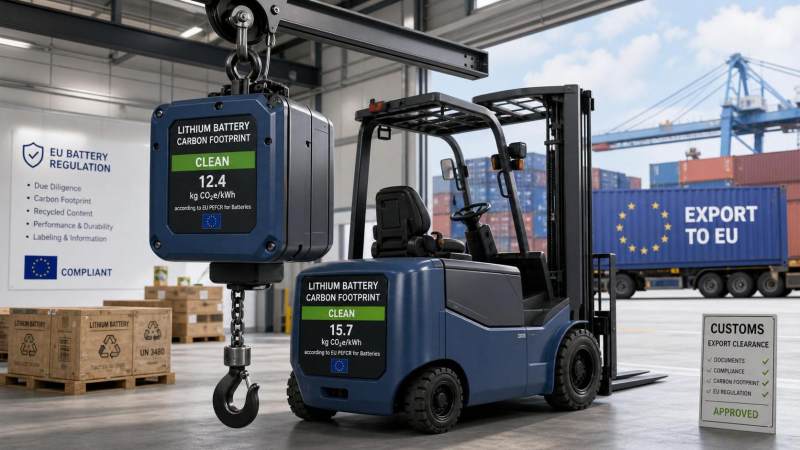
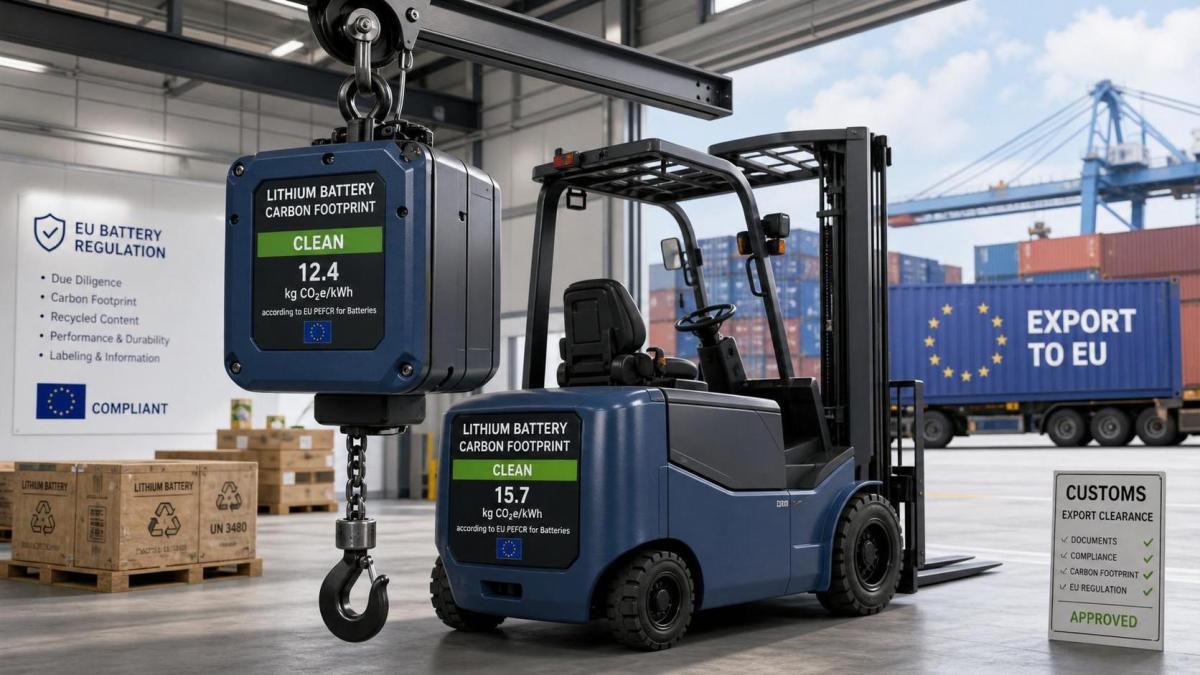
On August 18, 2026, a practical compliance threshold takes effect for exporters shipping equipment with larger industrial batteries into the EU. Under Regulation (EU) 2023/1542, rechargeable industrial batteries above 2kWh must carry a carbon footprint performance class label, including batteries built into electric hoists, anti-sway automated cranes, and high-voltage Li-ion forklifts. For companies involved in export delivery, certification, product data handling, and after-sales support, this matters because non-compliant products may be blocked from CE declaration and EPR registration, creating direct customs clearance and market access risk.
What is now mandatory for affected battery-equipped products
From August 18, 2026, Regulation (EU) 2023/1542 requires all rechargeable industrial batteries with capacity above 2kWh to bear a carbon footprint performance class label.
The scope described in the provided information includes power batteries integrated into electric hoists, anti-sway automated cranes, and high-voltage Li-ion forklifts.
The same information states that products failing to comply cannot complete the CE declaration of conformity and EPR registration, and may face customs refusal and market sales bans.
The requirement has also moved into the practical stage of import declaration and product data management.
Where the pressure is likely to appear across the supply chain
Export shipments now depend on battery label readiness
From an industry perspective, exporters of battery-equipped lifting and handling equipment may be affected first because the rule is tied not only to product configuration but also to whether a shipment can move through compliance and import procedures. What deserves closer attention is the connection between the battery label, CE conformity documentation, EPR registration, and final customs handling.
Manufacturers need tighter control of embedded battery data
Analysis shows that manufacturers of electric hoists, anti-sway cranes, and similar equipment may face pressure in the documentation stage as much as in production. If the battery is integrated into the equipment, product files, technical records, and delivery documents may need to align with the labeling requirement before goods are dispatched.
Certification and compliance service providers face a more operational role
Observably, companies involved in certification support, compliance review, and document preparation may need to focus more closely on whether battery-related information is complete and usable in actual filing and declaration workflows. The change is not limited to a policy notice; it has entered operational handling.
Procurement and channel partners may need earlier checks
For buyers, distributors, and supply chain service providers, the immediate issue is not only product selection but delivery certainty. Analysis shows that procurement reviews may need to pay more attention to whether the embedded battery falls within the stated capacity threshold and whether supporting compliance materials are ready before order execution or shipment scheduling.
What companies should review now in day-to-day practice
Check which product lines cross the 2kWh threshold
Companies shipping equipment with built-in industrial batteries should first confirm which models fall within the stated scope. This is especially relevant for battery-powered lifting, automated crane, and forklift-related equipment referenced in the provided event summary.
Revisit CE and EPR preparation together, not separately
Analysis shows that the more practical risk is process fragmentation. If the battery label requirement affects both CE declaration of conformity and EPR registration, companies may need to review these workflows together rather than treat them as separate filing tasks.
Prepare product data and supporting documents earlier
Because the requirement has already entered import declaration and product data management practice, what deserves closer attention is whether battery-related records, technical files, and shipment documentation can be matched consistently during order fulfillment. The provided information does not specify the full execution details, so this should be treated as an area requiring active monitoring rather than assumed uniform enforcement.
Watch for contract, tender, and delivery wording changes
Observably, businesses involved in export supply may need to pay closer attention to how customers, project documents, or internal delivery checks begin to reference battery labeling, compliance status, or supporting documents. The event summary does not provide detailed wording requirements, so this remains a key point for ongoing review.
Why this looks more like an execution signal than a distant policy topic
Analysis shows that this development is better understood as an implementation-stage compliance signal rather than a purely future-facing regulatory discussion. The reason is that the provided information does not stop at the legal requirement itself; it also indicates consequences for CE declaration, EPR registration, customs clearance, and market sale, and notes that import declaration and product data management have already become practical touchpoints.
At the same time, it is still necessary to distinguish confirmed facts from market interpretation. The available information confirms the rule, its date, the affected battery threshold, example equipment categories, and the stated compliance risks. It does not by itself establish how every importer, reviewer, or project document will apply the rule in every case, so execution details still warrant continued observation.
How the market may best read this development
From an industry perspective, the immediate meaning of this update is not simply that a new label exists, but that battery compliance is becoming a shipment and market-access condition for certain equipment categories. For exporters of electric hoists, anti-sway cranes, and other battery-equipped industrial products, the more reasonable reading is that compliance preparation now needs to move closer to order processing, technical documentation, and delivery control.
It is more appropriate to understand this event as a rule that has entered practical enforcement relevance, while some execution details still need to be tracked through ongoing market practice, documentation requirements, and compliance review behavior.
Basis of this article and points still requiring verification
This article is based on the user-provided news title, event date, and event summary. For developments of this kind, source types commonly relevant for later verification may include official regulatory notices, releases by supervisory authorities, customs or trade administration updates, industry association communications, standards-related documents, and reporting by authoritative media.
No specific official source link was provided in the input, so the official source path still needs to be verified on an ongoing basis. Observably, the areas that still merit continued attention include detailed implementation language, certification practice, EPR handling expectations, changes in tender or delivery documentation, market feedback, and how companies execute the requirement in real trade and product data workflows.
Recommended News
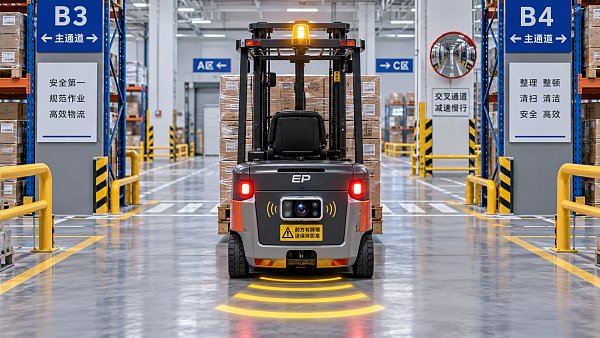
 Sep 19, 2026How forklift collision avoidance systems reduce blind-spot risksForklift collision avoidance systems reduce blind-spot risks with smarter detection, alerts, and traffic controls. Explore practical safety strategies for safer warehouses.
 Sep 18, 2026How sensor-based predictive maintenance prevents lifting equipment failuresSensor based predictive maintenance lifting equipment strategies detect early faults, reduce downtime, improve safety, and help teams plan smarter repairs.
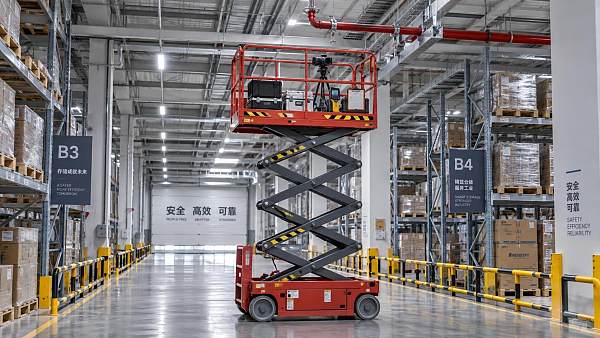
 Sep 15, 2026When is a scissor lift for inspection the safer access choice?Discover when a scissor lift for inspection delivers safer, steadier elevated access for tools, documentation, and repeatable results.
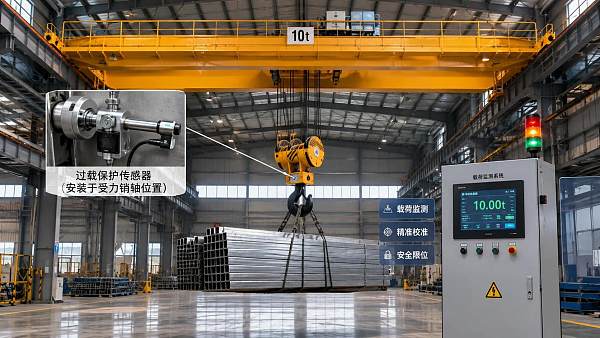
 Sep 07, 2026What to verify before choosing a crane overload protection manufacturerCrane overload protection manufacturer checklist: verify sensing accuracy, fail-safe controls, calibration, compatibility, commissioning, and lifecycle support before you buy.
 Sep 07, 2026How can operators make steel mill crane operations safer?Steel mill crane operations safety guide: reduce risk with inspections, load checks, clear communication, sway control, and smarter operator decisions.
 Sep 01, 2026How to select marine rigging equipment based on safe working loadRigging equipment marine selection guide: calculate safe working load, sling angles, connection fit, corrosion risks, and certification for safer lifts.
 Aug 30, 2026How to assess a crane hook control manufacturer’s safety complianceCrane hook control manufacturer compliance guide: verify safety functions, testing, traceability, and commissioning support before purchase.
 Aug 29, 2026How industrial lifting regulations shape safe load-handling proceduresIndustrial lifting regulations guide safer load-handling procedures. Discover practical controls for inspections, lift planning, competent teams, and compliance.
 Aug 21, 2026When does high rise façade maintenance equipment need a BMU instead of mobile accessHigh rise façade maintenance equipment: learn when a BMU outperforms mobile access based on geometry, safety, reach, and lifecycle cost for smarter high-rise decisions.
 Aug 11, 2026EU PPWR Takes Effect on Aug 12: Exporters Must ComplyEU PPWR takes effect on Aug 12, 2026: exporters must comply with packaging, labeling, EPR, and conformity rules or risk customs delays, returns, and EU market access barriers.
 Aug 08, 2026What a Crane Modernization Plan Should Include to Reduce DowntimeCrane modernization plan essentials to cut downtime: learn how controls, drives, safety, diagnostics, and spare parts strategy improve uptime, reliability, and project performance.
 Aug 07, 2026How to Evaluate a Predictive Maintenance Lifting Equipment Provider for Downtime RiskPredictive maintenance lifting equipment provider evaluation made practical: learn how to assess downtime risk, data quality, compatibility, and support before choosing a solution.
 Aug 04, 2026AWP Safety in the USA: OSHA and ANSI Rules That Affect Jobsite UseAWP safety USA explained: learn how OSHA and ANSI rules shape training, inspections, fall protection, and lift selection to reduce jobsite risk and stay compliant.
 Aug 02, 2026How to Evaluate Anti-Rollover Protection Systems for Boom and Lift SafetyAnti-rollover protection systems: learn how to evaluate sensors, control logic, and machine response for safer boom and lift selection, better compliance, and fewer costly risks.
 Aug 01, 2026How to Reduce Heat Loss and Splash Risk in Molten Metal HandlingMolten metal handling: learn how to reduce heat loss and splash risk with practical checks for ladles, fill levels, transfer routes, and pouring control to improve safety and quality.
 Jul 29, 2026Overload Protection Systems Price: What Drives Cost and ROI?Overload protection systems price explained: compare sensors, integration, compliance, and support to uncover true cost drivers and maximize safety ROI before you buy.
 Jul 26, 2026How to Evaluate ATEX Industrial Electric Hoists for Hazardous AreasIndustrial electric hoists ATEX selection starts with zone, gas or dust group, and thermal limits. Learn how to compare safety, compliance, duty, and lifecycle value before you buy.
 Jul 25, 2026Industrial Safety Standards for Lifting Inspection: Key Compliance ChecksIndustrial safety standards for lifting inspection explained: discover key compliance checks for cranes, hoists, and forklifts to reduce risk, avoid downtime, and pass audits with confidence.
 Jul 15, 2026Heavy Lifting Safety Checklist for High-Risk Lifting OperationsHeavy lifting safety starts with preparation. Explore a practical checklist for high-risk lifting operations to reduce incidents, improve compliance, and keep cranes, hoists, and forklifts working safely.
 Jul 13, 2026Crane Hook Control Basics for Safer Load HandlingCrane hook control basics for safer load handling: learn how to reduce sway, improve placement accuracy, and boost lifting safety with practical tips and smart control insights.
 Jul 12, 2026Material Handling Equipment Safety Risks That Often Get Missed on SiteMaterial handling equipment safety starts with the risks most sites overlook. Discover hidden hazards in forklifts, cranes, hoists, and lifts before they cause downtime or injuries.
 Jul 12, 2026How to Evaluate a Crane Hook Control Systems Supplier for Safer Load HandlingCrane hook control systems supplier evaluation starts with safety, precision, and integration. Learn how to compare suppliers for safer load handling, compliance, and long-term uptime.
 Jul 10, 2026Industrial Lifting OSHA Regulations: 7 Compliance Gaps to FixIndustrial lifting OSHA regulations: uncover 7 costly compliance gaps in inspections, training, load control, and documentation to reduce risk, avoid citations, and improve uptime.
 Jul 09, 2026Crane Overload Protection Manufacturer: What to Check Before System ApprovalCrane overload protection manufacturer selection starts with site reality. Learn what to verify before system approval, from stability and alarms to retrofit fit and outdoor durability.