Search News
Industry Portal
Popular Tags
Suez Surcharges Raise Crane Shipping Costs
Author
Time
Click Count
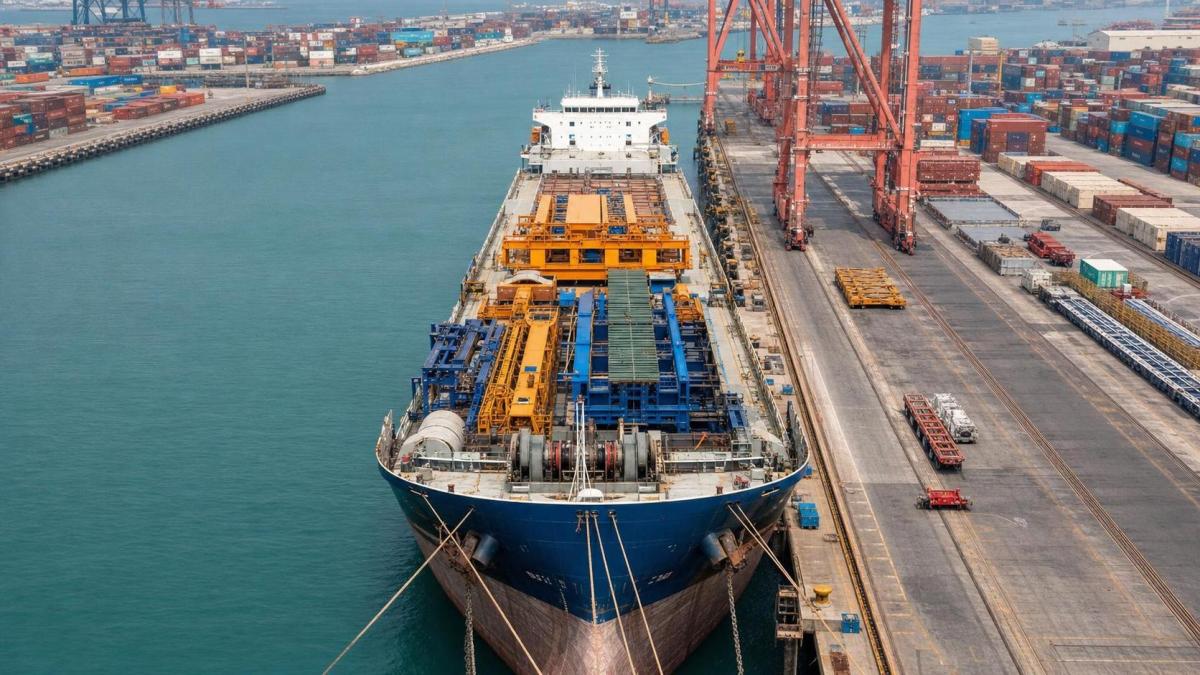
On June 25, 2026, the shipping rule change triggered by the latest Red Sea disruption moved from market concern into immediate execution: the Suez Canal Authority began applying a higher surcharge to oversized and overweight cargo, directly affecting shipments such as RMG Gantry Cranes, complete Double Girder Overhead Cranes, and large Telescopic Booms. For exporters, buyers, forwarders, and project delivery teams handling heavy lifting equipment, this matters because the change is no longer only a freight market issue; it now affects booking cycles, landed cost calculations, and delivery planning tied to Europe-bound trade.
A transport rule change with immediate cost effects
The Suez Canal Authority (SCA) announced on June 22, 2026 that, from June 25, it would impose an additional transit charge on extra-wide and extra-heavy cargo, with the rate increased by 22%.
The cargo types specifically mentioned include RMG Gantry Cranes, complete Double Girder Overhead Cranes, and large Telescopic Booms.
At the same time, diversions around the Cape of Good Hope have added 12 days to voyage time, and the average freight rate for a 40HQ container has risen by US$1,850.
For exports of heavy lifting equipment to Europe, booking lead times at major Chinese ports including Ningbo, Qingdao, and Guangzhou have extended to 6-8 weeks.
Where the pressure is likely to appear first
Export contracts now face a tighter delivery margin
From an industry perspective, exporters of heavy lifting equipment are likely to feel the impact first because the surcharge and longer sailing route directly affect shipment scheduling and freight budgeting. The most exposed business links are quotation validity, shipment planning, and delivery commitments for Europe-bound orders. What deserves closer attention is whether contract documents, shipping terms, and delivery schedules leave enough room for freight cost adjustments and extended booking lead times.
Buyers and project purchasers may need to revisit procurement timing
Analysis shows that procurement teams sourcing complete crane systems or large lifting components may need to review ordering windows more carefully. The practical pressure is less about the equipment specification itself and more about whether purchasing plans, site timelines, and inbound logistics assumptions still match the new transport reality. For buyers, the key issue is to track how freight-related changes could influence delivery sequencing and acceptance planning.
Freight and supply chain service providers face a more document-sensitive process
Observably, logistics coordinators and supply chain service providers may see more scrutiny around cargo classification, container planning, and booking arrangements for oversized or overweight cargo. Because the surcharge is tied to cargo characteristics, the accuracy and completeness of shipment information become more important in freight communication and execution. This raises the practical need to align cargo descriptions and transport documents early in the booking process.
What companies should monitor now
Check cargo definitions and shipment documentation early
Analysis shows that companies shipping affected equipment categories should pay close attention to how cargo is described in booking and transport documents. Where freight treatment depends on whether goods are considered extra-wide or extra-heavy, document consistency becomes a practical compliance issue rather than a routine paperwork step.
Reassess delivery schedules for Europe-bound orders
What deserves closer attention is the combined effect of the surcharge and the additional 12-day route impact. Companies involved in export sales, project execution, and after-sales planning may need to reassess whether current delivery promises, installation timing, and service coordination still remain realistic under longer booking and transit conditions.
Watch for changes in tender and procurement language
Observably, firms participating in tenders or negotiated procurement for heavy lifting equipment should monitor whether delivery clauses, logistics assumptions, or freight responsibility wording begin to change. The input does not provide detailed downstream execution rules, so this should be treated as a monitoring point rather than a confirmed market-wide result.
Follow further official wording and market execution signals
Analysis shows that the immediate surcharge announcement is only one part of the issue. Companies should continue tracking whether later official statements, market notices, or execution practices provide more detail on scope, application standards, or documentation requirements for affected cargo categories.
Why this matters beyond a freight price increase
Observably, this development is more significant than a short-term shipping cost fluctuation because it combines a formal canal charge adjustment with a longer route impact already visible in booking delays. It is more appropriate to understand this as an execution signal affecting trade performance for heavy lifting equipment, especially where transport timing and freight allocation are tightly linked to contract delivery. At the same time, the current information is still limited, so the market should avoid treating every downstream effect as fully settled.
How the market may need to read this change
From an industry perspective, the event signals that transport-rule adjustments in a high-risk shipping corridor can quickly move into procurement, delivery, and contract management for heavy equipment trade. A cautious reading is more suitable here: the surcharge and extended booking cycle are already concrete changes, while the full effect on tender language, compliance practice, and project execution still requires ongoing observation.
Basis of this article and what still needs verification
This article is generated from the user-provided news title, event date, and event summary. For events of this type, commonly relevant source categories include official announcements, regulator releases, customs or trade authority information, industry association updates, standards organization documents, and reporting by established media. A specific official source link was not provided in the input, so continued verification is still necessary. What remains important to monitor includes later policy details, execution standards, tender document changes, industry feedback, and how companies implement the change in actual shipments and delivery planning.
Recommended News
 Sep 04, 2026What to verify before appointing a shipyard handling equipment exporterChoose a reliable shipyard handling equipment exporter with confidence. Verify duty fit, marine protection, compliance, export packing, and after-sales support before you appoint.
 Aug 31, 2026How ship to shore cranes are sized for container vessel capacityShip to shore cranes are sized by vessel geometry, outreach, lift height, throughput, quay loads, and automation needs. Learn how to specify the right crane for efficient container handling.
 Aug 27, 2026When do port logistics automation systems justify the investment?Port logistics automation systems: discover when automation improves terminal capacity, safety, resilience, and ROI—and how to assess costs before investing.
 Aug 12, 2026How to Choose a Rail Mounted Gantry Crane for Container Yard Capacity and SpanRail mounted gantry crane selection starts with yard capacity, span, and throughput. Learn how to match layout, stacking, automation, and lifecycle cost for smarter container yard performance.
 Jul 24, 2026How to Choose Marine Shipyard Cranes for Load, Reach, and Dock LayoutMarine shipyard cranes: learn how to match load, reach, hook height, and dock layout for safer lifts, better berth productivity, and smarter crane investment.
 Jul 15, 2026Crane Anti-Sway Systems in Ports: What Reduces Cycle TimeCrane anti-sway systems ports rely on can cut cycle time by reducing settling delays, improving final positioning, and boosting moves per hour. Learn what delivers the best ROI.
 Jul 10, 2026Port Crane Inspection Checklist for Safer Yard OperationsPort crane inspection checklist for safer yard operations. Learn what after-sales teams should verify to reduce downtime, improve compliance, and keep lifting performance reliable.
 Jul 05, 2026Heavy Load Automation in Shipyards: Where It Delivers the Fastest ROIHeavy load automation shipyards adopt first often delivers the fastest ROI in block transfer, material flow, and precision lifts—cutting delays, risk, and rework while boosting throughput.
 Jul 03, 2026How Crane Hook Control Systems Improve Gantry Crane Load SafetyCrane hook control systems for gantry cranes improve load safety by reducing sway, boosting positioning accuracy, and supporting safer, more efficient lifting operations.
 Jun 26, 2026Port Crane Equipment Upgrades: Which Changes Reduce Downtime MostPort crane equipment upgrades that cut downtime most: modern drives, anti-sway, condition monitoring, and electrical fixes. See which retrofits deliver faster recovery and stronger terminal uptime.
 Jun 26, 2026PSA Sets Twin-Interface Rule for New Port CranesPSA sets a twin-interface rule for new port cranes from Aug 1, 2026. See how ISO 19901-6:2025 and PSA lab certification could reshape bids, compliance, and delivery for Southeast Asia port projects.
 Jun 23, 2026Suez Surcharges Raise Crane Shipping CostsSuez surcharges raise crane shipping costs fast, impacting RMG gantry cranes and heavy equipment exports to Europe. See cost risks, delays, and what buyers should monitor now.
 Jun 22, 2026Asia-Europe Freight Rates Rise 18% as Red Sea Diversions PersistAsia-Europe freight rates rise 18% as Red Sea diversions persist, squeezing capacity and extending heavy equipment delivery to 90–120 days. See what exporters and buyers should plan now.
 Jun 21, 2026Red Sea Diversions Push Rates Up, Heavy Lift Deliveries Past 90 DaysRed Sea diversions push Asia-Europe heavy lift and oversized cargo rates higher, extend booking waits to 28 days, and drive deliveries past 90 days—see what exporters, EPCs, and buyers should do now.
 Jun 20, 2026Hormuz Reopens on Paper, Heavy-Lift Shipping Still StalledHormuz reopens on paper, but heavy-lift shipping remains stalled. See how Strait of Hormuz restrictions are delaying crane and oversized cargo deliveries by 4–12 weeks.
 Jun 19, 2026Hormuz Shipping Disruption Extends Heavy Equipment Lead TimesHormuz shipping disruption is extending heavy equipment lead times, raising surcharges and limiting oversized cargo bookings. See how exporters and buyers can protect Q3 delivery plans.
 Jun 18, 2026India’s Rice Export Duty Reshapes Bulk Handling DemandIndia’s Rice Export Duty is reshaping bulk handling demand across ports, warehouses, and transfer hubs. See how trade restrictions are driving new storage, equipment, and procurement priorities.
 Jun 16, 2026Container Port Cranes: What Drives Throughput, Energy Use, and Upgrade TimingContainer port cranes drive throughput, energy costs, and upgrade decisions. Learn what lifts berth performance, cuts power use, and shows when retrofit beats replacement.
 Jun 16, 2026GCC-MEC Opens Hydrogen Ex-Certification Path for RMG CranesGCC-MEC opens a hydrogen Ex-certification path for RMG cranes, recognizing IEC 60079 reports and remote audits to speed GCC imports for hydrogen ports and green ammonia projects.
 Jun 15, 2026GCC-MEC Opens Fast-Track Hydrogen Ex Certification for RMG CranesGCC-MEC opens fast-track hydrogen Ex certification for RMG cranes, cutting approval to 25 working days. See how Ex h IIC T4 Gb access could reshape GCC hydrogen projects and supplier opportunities.
 Jun 14, 2026GCC-MEC Opens Fast-Track Hydrogen Certification for RMG CranesGCC-MEC opens fast-track hydrogen certification for RMG cranes, cutting Ex h IIC T4 Gb approval to 18 working days. Learn the key IEC 60079 and Arabic UI requirements now.
 Jun 12, 2026Gantry Crane Operations in Ports: Safety, Throughput, and Automation TrendsGantry crane operations in ports shape terminal safety, throughput, and automation success. Discover practical insights to cut downtime, improve flow, and guide smarter upgrades.
 Jun 12, 2026China Starts Smart Pre-Clearance for Crane ExportsChina starts smart pre-clearance for crane exports, requiring 72-hour document submission for RMG gantry cranes and double girder overhead cranes. Learn the new customs rules and delivery risks.
 Jun 10, 2026WBX Day One Draws 10,000+ as Heavy Wind Cargo Gear Gains AttentionWBX day one drew 10,000+ visitors as heavy wind cargo gear gained attention. Explore demand shifts, RMG crane lead times, and project logistics signals shaping global buyers.