Search News
Industry Portal
Popular Tags
Automated Warehousing Systems: When Does Automation Pay Off?
Author
Time
Click Count
Automated Warehousing Systems: When Does Automation Pay Off?
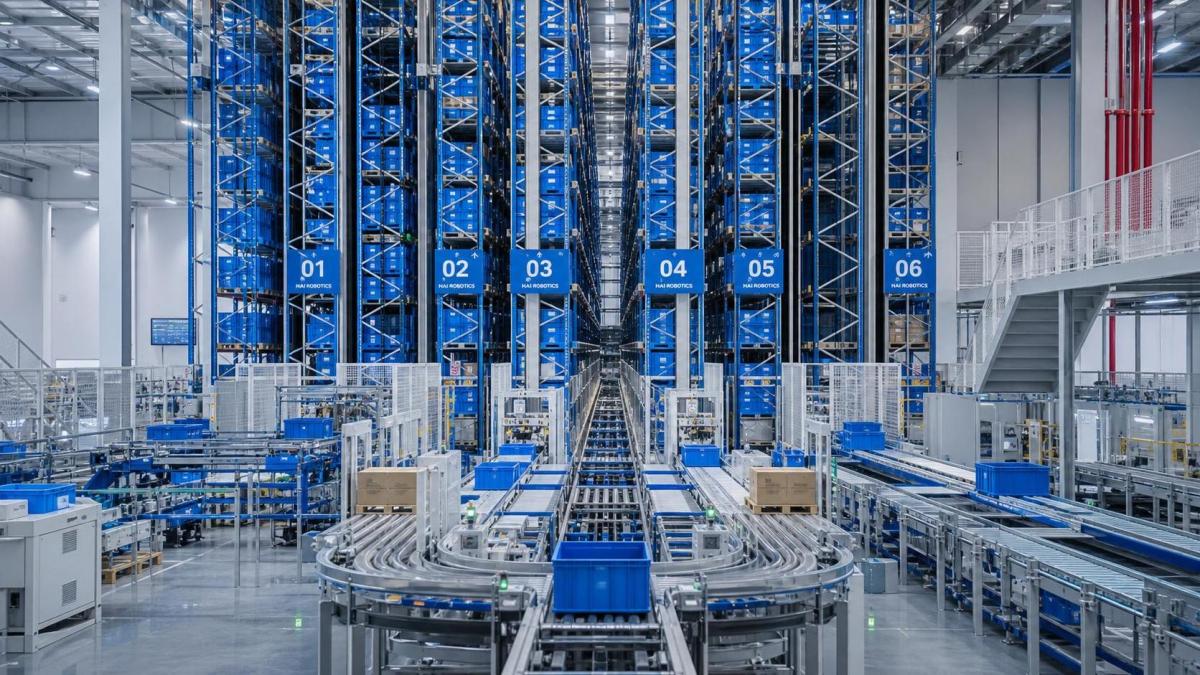
Automated warehousing systems promise faster throughput, lower labor dependency, and better inventory accuracy, but ROI does not appear automatically.
The real payoff depends on order profile, labor pressure, storage density, service levels, and how often your operation hits physical limits.
In practice, automated warehousing systems work best when they solve a defined bottleneck, not when they are purchased as a general modernization project.
That distinction matters because automation can improve speed and control, yet it also introduces capital cost, integration effort, and operating discipline.
So the key question is simple: when does warehouse automation create measurable business value instead of just adding technical complexity?
What Counts as an Automated Warehousing System?
Automated warehousing systems cover a wide range of equipment, software, and control layers.
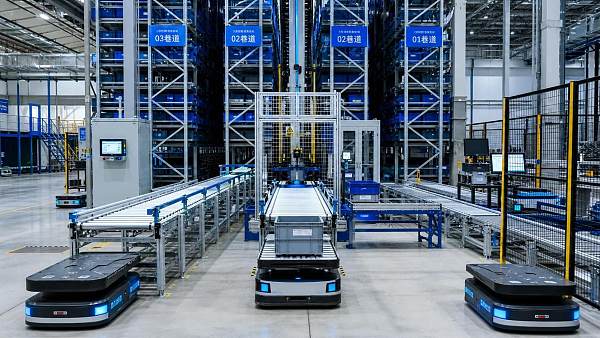
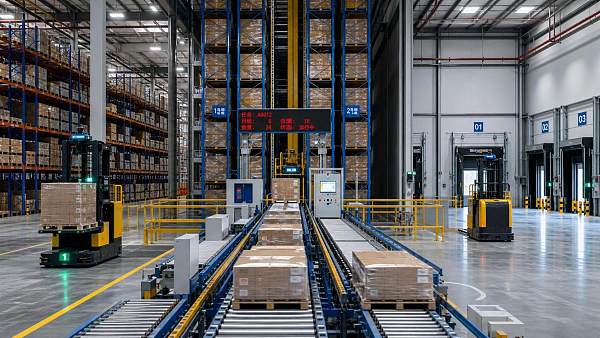
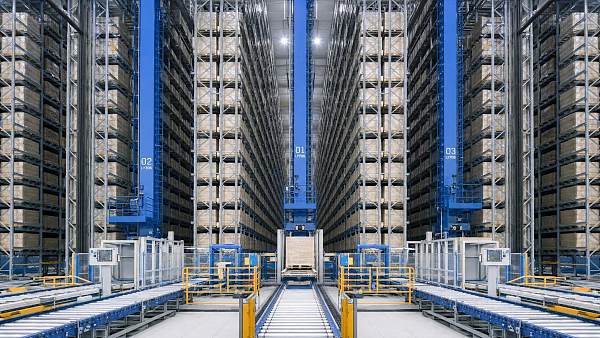
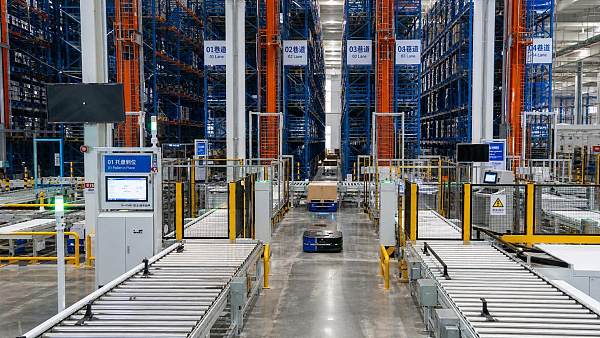
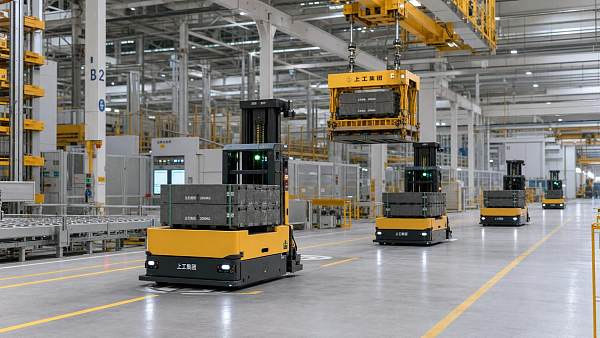
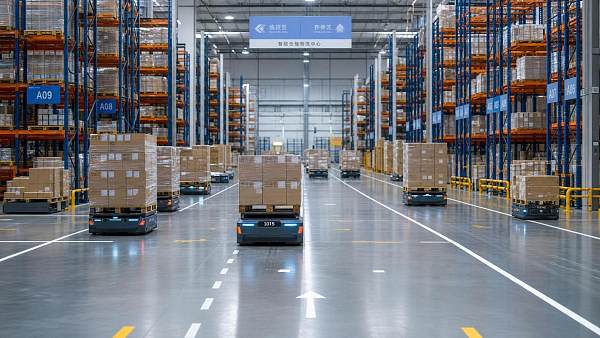
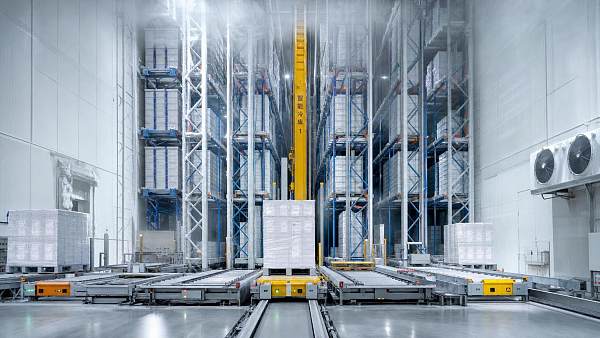
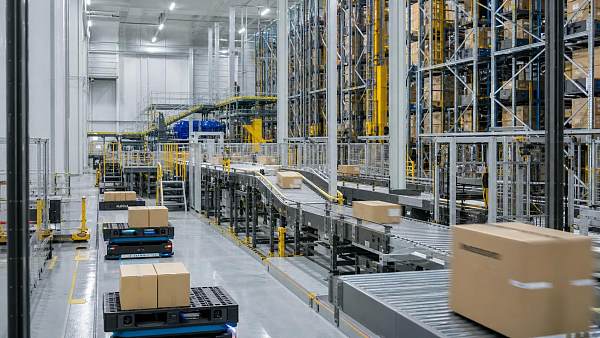
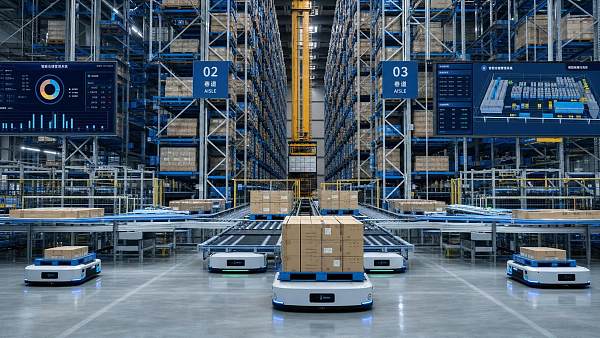
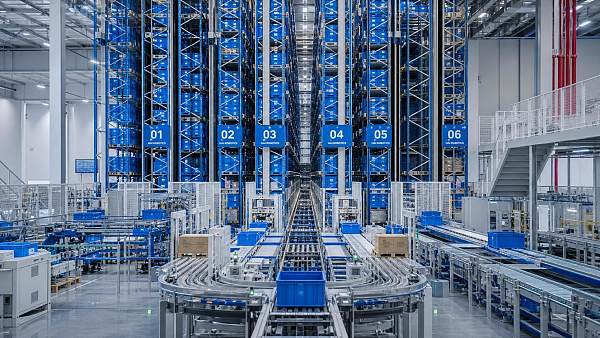
They may include AS/RS, conveyors, sortation, shuttle systems, AGVs, AMRs, robotic pallet handling, and warehouse control software.
Some facilities automate only receiving or pallet movement.
Others build end-to-end automated warehousing systems covering putaway, storage, picking, replenishment, and shipping.
The investment logic changes depending on scope.
A targeted automation layer can pay off quickly.
A full automated warehouse system usually needs stronger volume stability and longer planning horizons.
The Clearest Signals That Automation May Pay Off
From a decision standpoint, a few signals appear again and again in successful projects.
- Labor is hard to recruit, train, or retain for repetitive warehouse work.
- Order volume is large enough to keep equipment utilization high.
- Seasonal peaks cause chronic overtime, delays, or temporary labor dependence.
- Picking errors, inventory inaccuracy, or damage claims are eroding margins.
- Facility space is constrained, and higher storage density has real economic value.
- Customer service expectations require predictable cut-off times and faster fulfillment.
- Safety incidents or near misses are linked to manual travel and repetitive handling.
When several of these conditions exist together, automated warehousing systems usually move from optional to economically relevant.
When Automation Usually Struggles to Deliver ROI
Not every warehouse is ready for automation.
Automated warehousing systems often underperform when demand is highly volatile, SKU profiles change constantly, or process discipline is still weak.
Another warning sign is low baseline visibility.
If slotting logic, inventory accuracy, and WMS data quality are unreliable, automation may simply accelerate disorder.
Facilities with moderate throughput and cheap available labor may also struggle to justify fixed capital.
In those cases, selective improvements often outperform a full automated warehouse system.
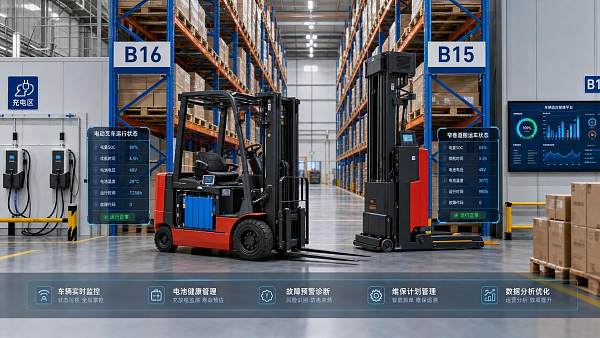
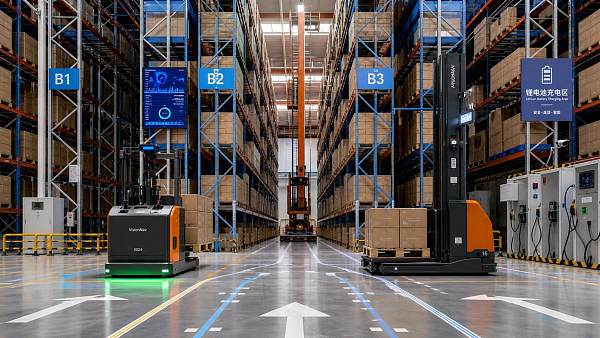
Examples include better layout design, lithium-ion forklift fleets, narrow-aisle equipment, or smarter labor planning.
The Five Numbers That Matter Most
A practical automation decision starts with measurable inputs, not vendor claims.
- Throughput per hour: pallets, cases, totes, or order lines.
- Direct labor cost: wages, overtime, turnover, training, and supervision.
- Space economics: rent, land cost, expansion cost, and cube utilization.
- Error cost: returns, rework, missed shipments, and damaged goods.
- Growth pressure: projected volume over three to seven years.
If automated warehousing systems improve only one number slightly, the business case may stay weak.
If they improve three or more at once, the payoff becomes easier to defend.
A Simple ROI Framework for Automated Warehousing Systems
A solid model should include more than labor savings.
That is where many automation evaluations become too optimistic or too narrow.
Build the case around annual benefit minus annual operating cost, compared against total installed investment.
Many automated warehousing systems become attractive when payback falls within three to five years and demand visibility is reasonably stable.
For more complex projects, decision-makers often look beyond simple payback and compare NPV, risk exposure, and expansion flexibility.
Where Automated Warehousing Systems Deliver the Strongest Value
Some environments consistently favor warehouse automation.
- High-volume distribution centers with repetitive flows.
- Cold storage sites where labor conditions are difficult.
- E-commerce operations with dense order activity and narrow service windows.
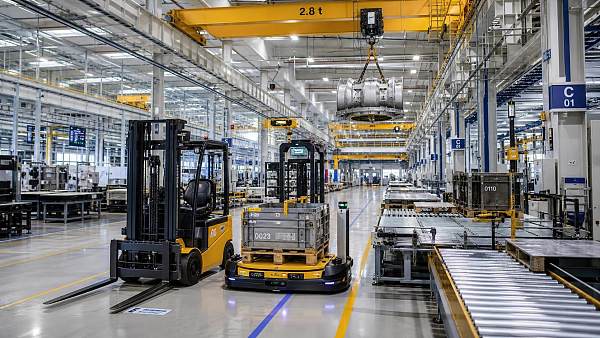
- Manufacturing warehouses needing precise line feeding and inventory control.
- Urban facilities where space costs justify vertical density.
In these scenarios, automated warehousing systems do more than reduce headcount.
They create consistency, scheduling confidence, and room for growth without constant labor expansion.
The Hidden Costs That Can Distort the Business Case
A realistic decision must also account for costs that are easy to underestimate.
These include software integration, testing time, downtime during commissioning, operator retraining, spare parts inventory, and change management.
There is also the issue of process rigidity.
Some automated warehouse systems perform brilliantly in stable environments but are less flexible when SKU dimensions, packaging, or order logic change fast.
That is why scenario testing matters.
A strong model should test expected demand, peak demand, and downside demand before capital is approved.
How to Decide the Right Level of Automation
The best answer is not always full automation.
In many operations, phased automated warehousing systems produce better economics and lower execution risk.
- Stabilize inventory accuracy and process data first.
- Identify the costliest bottleneck in travel, storage, or picking.
- Match technology to that bottleneck, not to a trend narrative.
- Model utilization, maintenance, and failure recovery.
- Pilot where possible before scaling wider.
This approach helps separate useful automation from expensive overdesign.
It also keeps automated warehousing systems aligned with real operating constraints.
A Practical Decision Checklist
Before moving forward, pressure-test the project with a short checklist.
- Is there a proven throughput bottleneck today?
- Will labor pressure likely persist for several years?
- Can current data quality support automated decisions?
- Does the facility need density, speed, accuracy, or all three?
- Can the site tolerate commissioning time and process change?
- Does the model include maintenance and lifecycle costs?
- Will the chosen system still fit the business in five years?
If most answers are yes, automated warehousing systems likely deserve serious consideration.
If several answers remain uncertain, the better move may be staged investment and tighter baseline control.
Final Takeaway
Automated warehousing systems pay off when they solve a clear operational constraint and improve multiple value drivers at the same time.
The strongest projects usually combine labor pressure, volume consistency, space limitations, and service demands that manual processes can no longer support.
The weaker projects often start with technology enthusiasm and only later search for financial logic.
In real operations, timing matters as much as technology choice.
Start with your bottlenecks, build a full-cost ROI model, and choose automated warehousing systems only where the numbers, process maturity, and growth path clearly support the move.
Recommended News
 Sep 09, 2026When warehouse vehicle telematics pays off in high-density operationsWarehouse vehicle telematics helps high-density operations reduce downtime, optimize fleet use, manage batteries, and improve safety. See when the investment delivers ROI.
 Sep 05, 2026When does ultra-fast handling logistics justify warehouse automation?Ultra-fast handling logistics: discover when warehouse automation improves capacity, reliability, safety, and ROI—and when smarter manual upgrades are the better choice.
 Aug 24, 2026What limits industrial lifting efficiency in overhead crane systemsIndustrial lifting efficiency in overhead crane systems depends on sway control, duty cycle, layout, and maintenance. Discover what really limits throughput and how to improve safer, faster handling.
 Aug 15, 2026How to choose a hydraulic mast systems manufacturer for heavy-duty useHydraulic mast systems manufacturer guide for heavy-duty use: learn how to compare engineering strength, safety, service, and long-term value before you choose.
 Aug 14, 2026How to Evaluate a Warehouse Automation Solutions Supplier for Integration, Uptime, and ScalabilityWarehouse automation solutions supplier evaluation guide: learn how to assess integration, uptime, and scalability to reduce risk and choose a supplier that supports long-term growth.
 Aug 05, 2026How to Improve Factory Material Flow Without Expanding Floor SpaceFactory material flow improvements do not always need more space. Learn practical ways to cut travel, reduce handling, improve safety, and boost output within your current plant layout.
 Jul 22, 2026How Smart Material Handling Systems Improve Factory ThroughputSmart material handling systems for factories boost throughput by reducing delays, improving safety, and matching automation to real bottlenecks. See how to choose the right fit.
 Jul 14, 2026Warehouse Vehicle Monitoring: Key Data Points That Prevent DowntimeWarehouse vehicle monitoring helps prevent downtime by tracking battery health, utilization, impacts, fault codes, and operator behavior—giving managers actionable insights to improve uptime and fleet efficiency.
 Jul 14, 2026How to Choose Warehouse Automation Solutions for PalletsWarehouse automation solutions for pallets: learn how to evaluate pallet flow, layout, software integration, safety, and ROI to choose a smarter, scalable warehouse system.
 Jul 13, 2026Smart Warehouse Trends: What Is Changing in 2026?Smart warehouse trends in 2026 are shifting from isolated automation to connected, measurable performance. Discover safer, smarter ways to boost throughput, uptime, and ROI.
 Jul 12, 2026ASRS Warehouse Design: When Higher Density Starts to Hurt ThroughputASRS warehouse design should maximize flow, not just storage density. Learn when higher density cuts throughput and how to protect ROI, speed, and service levels.
 Jul 11, 2026How Synchronized Hydraulic Lifting Systems Improve Load Control on Heavy LiftsSynchronized hydraulic lifting systems improve load control on heavy lifts with real-time balancing, better structural protection, and safer multi-point lifting performance.
 Jul 10, 2026Automated Warehousing Integration: What Fails First on SiteAutomated warehousing integration often fails first at transfer zones, interfaces, and data timing. Discover the on-site risks that delay go-live—and how to prevent them.
 Jul 09, 2026When Heavy Load Automation Delivers Better Throughput Than Manual HandlingHeavy load automation boosts throughput by reducing cycle variation, safety risk, and delays. See when it outperforms manual handling in real operations.
 Jul 07, 2026AGV Material Handling Systems for Busy Warehouses: What Improves ThroughputAGV material handling systems help busy warehouses boost throughput by reducing travel waste, stabilizing cycle times, and improving peak flow. Discover what drives measurable gains.
 Jul 04, 2026Heavy Component Transport Systems for Steel Mills: Key Design FactorsHeavy component transport systems for steel mills demand smart design. Learn key factors for load handling, route safety, heat resistance, and uptime to improve mill efficiency.
 Jul 03, 2026Automated Warehouse Systems for Cold Storage: Key Design FactorsAutomated warehouse systems cold storage design depends on temperature, SKU flow, compliance, and uptime. Learn the key factors to build safer, more efficient cold storage automation.
 Jul 02, 2026Chain Hoist Systems Electric: Key Load, Duty Cycle, and Control ChoicesChain hoist systems electric selection goes beyond rated capacity. Learn how load, duty cycle, controls, and safety features affect uptime, precision, and long-term value.
 Jul 01, 2026Millimetre Precision Load Control in Crane OperationsMillimetre precision load control improves crane safety, reduces sway, and boosts placement accuracy. Discover how smart drives and anti-sway systems raise uptime and efficiency.
 Jun 30, 2026Warehouse Control Systems vs WMS: What Actually Improves Throughput?Warehouse control systems vs WMS: discover which one improves throughput faster, where each fits, and how to identify the real bottleneck before investing.
 Jun 30, 2026Automated Warehouse Systems Software: Key Features That MatterAutomated warehouse systems software: discover the key features that improve inventory accuracy, task orchestration, equipment integration, safety, and ROI before you choose a platform.
 Jun 28, 2026Automated Warehousing Systems: When Does Automation Pay Off?Automated warehousing systems pay off when they solve labor, space, and throughput bottlenecks. Learn the key ROI signals, hidden costs, and when automation truly adds value.
 Jun 26, 2026Hydraulic Lifting Jacks: How to Choose Capacity and Lift HeightHydraulic lifting jacks: learn how to choose the right capacity and lift height for safer, more efficient lifting. Compare key specs, clearance needs, and real-world selection tips.
 Jun 25, 2026Industrial Lifting Efficiency in Factories: What Really Improves OutputIndustrial lifting efficiency factory performance depends on equipment fit, stability, uptime, and safer flow. Discover what really boosts output and cuts hidden delays.