Search News
Industry Portal
Popular Tags
How to Calculate Heavy Lifting Capacity Safely
Author
Time
Click Count
Knowing how to calculate heavy lifting capacity safely is not only a technical issue. It directly affects schedule certainty, asset protection, compliance exposure, and the overall reliability of lifting operations.
In material handling, construction, ports, plants, and warehouse environments, a lifting task rarely fails because of one obvious mistake. Problems usually come from small assumptions that were never checked.
That is why heavy lifting capacity should be treated as a calculated operating limit, not a catalog number. The real question is whether equipment can lift a load safely in a specific condition.
What heavy lifting capacity really means on site
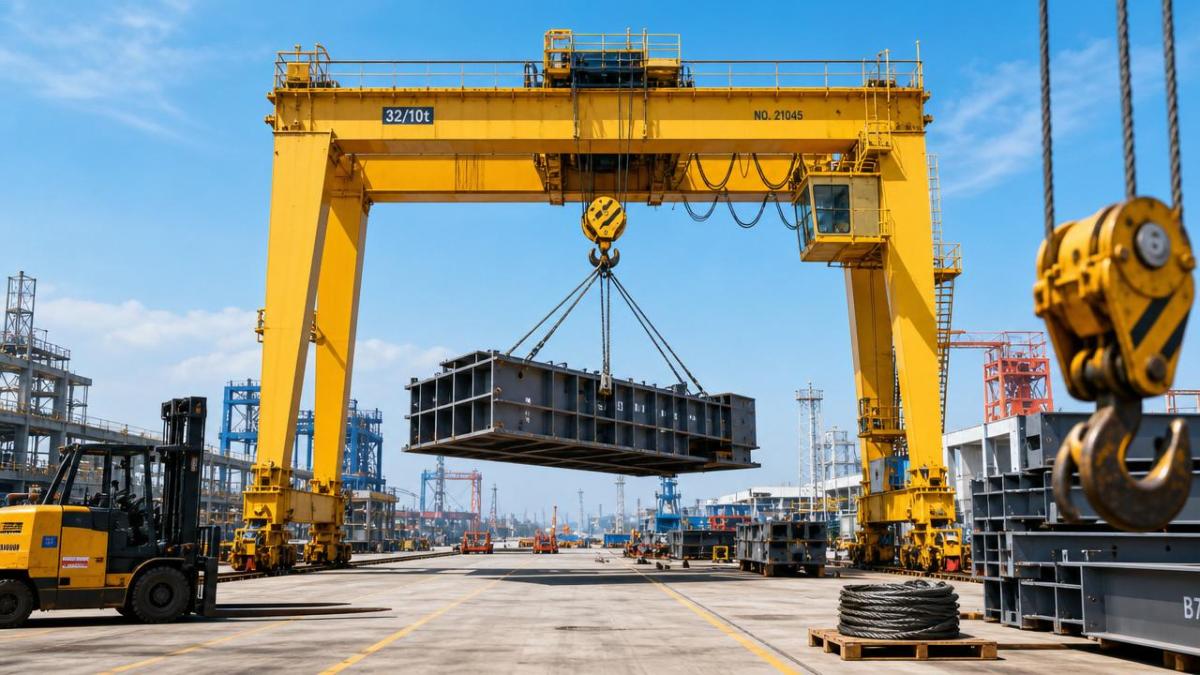
Heavy lifting capacity is the maximum load that equipment can raise, move, lower, or position under defined conditions without losing stability, structural integrity, or control.
Those conditions matter more than many teams expect. Rated capacity changes with lift height, load center, boom length, attachment weight, ground condition, wind, and operating geometry.
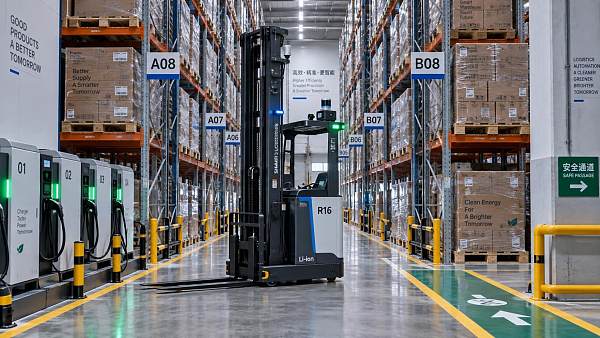
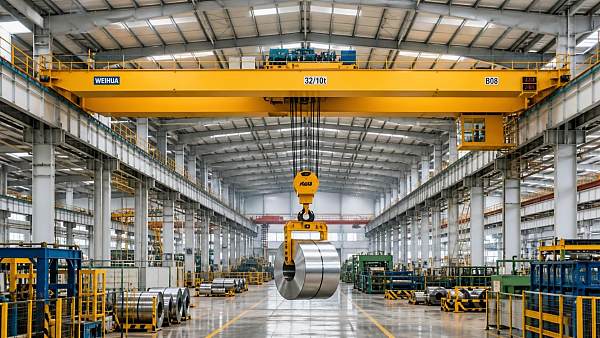
A forklift, overhead crane, gantry crane, hoist, or smart winch may all display a rated figure. Yet the usable heavy lifting capacity often becomes lower in actual work.
This is especially relevant across the MHLE landscape, where factories, logistics hubs, shipyards, workshops, and infrastructure sites use very different lifting paths and risk controls.
Why the industry pays closer attention now
Lifting equipment is becoming more advanced, but the loads are also becoming more demanding. Larger components, tighter workspaces, faster throughput targets, and stricter inspection standards raise the stakes.
A modern facility may combine forklifts, hoists, cranes, automated systems, and IoT monitoring in one flow. In that setting, a wrong lifting assumption can interrupt more than one task.
Safety regulators also expect documented planning. OSHA, CE-related requirements, and internal site procedures increasingly focus on load verification, inspection records, overload protection, and operator control.
For that reason, heavy lifting capacity is now linked to business continuity as much as jobsite safety. Downtime, damaged goods, failed audits, and near misses all carry measurable cost.
The core calculation starts with the load itself
The first step is confirming the true load, not the estimated load. Drawings, packing data, previous lift logs, and manufacturer specifications should agree before planning moves forward.
That load review usually includes more than the item being lifted. It also includes rigging gear, hooks, spreader beams, pallets, lifting frames, clamps, magnets, or special attachments.
A practical calculation can be framed like this:
- Total lifted weight = load weight + rigging weight + attachment weight
- Required working capacity = total lifted weight + safety allowance
- Available equipment capacity = rated capacity adjusted for real operating conditions
If the adjusted equipment value does not exceed the required working capacity with a safe margin, the plan should not proceed without redesign.
Load center changes the answer quickly
Load center is one of the most common reasons for overstated heavy lifting capacity. When the center of gravity moves farther from the mast, hook, or boom pivot, leverage increases.
That means a long, bulky, or uneven load may reduce safe capacity even when total weight appears to remain within the machine rating.
Forklifts are a classic example. A truck rated for one load center may have a much lower safe capacity with longer forks, paper roll clamps, or oversized loads.
Capacity depends on equipment type and operating geometry
Different machines calculate heavy lifting capacity in different ways. Treating all lifting devices as if they share one rule leads to planning errors.
This is where professional data sources become useful. Platforms such as MHLE help connect rated load figures with stability mechanics, safety compliance, and application-specific limitations.
Stability matters as much as lifting force
Many people think capacity is mainly about whether the machine is strong enough. In practice, stability often decides the safe limit before structural strength does.
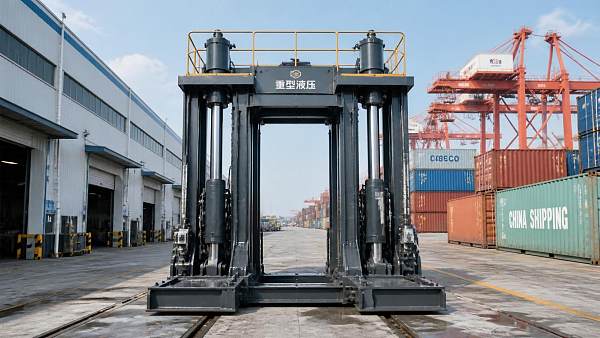
Ground bearing pressure, wheelbase, outrigger setup, rail condition, slope, and surface settlement can all reduce real heavy lifting capacity.
The same load can be acceptable in a flat indoor plant and unsafe on a quay, yard slab, or partially compacted construction platform.
Environmental forces also matter. Wind, rain, poor visibility, and dynamic movement change how the load behaves, especially for long or suspended items.
Dynamic load is often underestimated
A load that is static on paper may become dynamic during travel, braking, acceleration, swinging, or sudden stopping. That creates shock loading beyond nominal weight.
Anti-sway control, closed-loop VFD systems, auto-leveling, and overload monitoring can reduce those effects. Even so, they support planning rather than replace it.
A practical method for checking heavy lifting capacity
A useful review process keeps the calculation disciplined without making it unnecessarily complex. The goal is to match the load, the equipment, and the operating condition.
- Confirm actual load weight and center of gravity.
- Add all rigging, attachments, and lifting accessories.
- Check equipment load charts, not only the nameplate.
- Review lift height, reach, boom angle, or mast position.
- Assess floor strength, rail condition, slope, and wind exposure.
- Apply site safety margin and internal approval rules.
- Verify inspection status, operator controls, and overload devices.
If any one factor remains uncertain, the heavy lifting capacity calculation is incomplete. Uncertainty should trigger more verification, not a faster release.
Typical scenarios where errors appear
Capacity mistakes often happen in routine operations, not only in exceptional lifts. Familiarity creates shortcuts, and shortcuts weaken load control.
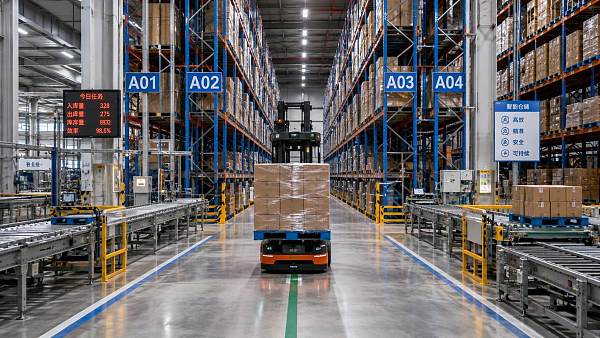
In warehouses, high stacking and attachments can reduce forklift heavy lifting capacity more than operators expect. In ports, wind and suspended movement can affect crane positioning.
In factories, maintenance lifts may involve awkward machine parts with off-center mass. In infrastructure work, temporary ground conditions can change daily after rain or excavation.
Automated or semi-automated systems introduce another layer. Sensor data, fleet monitoring, and predictive maintenance improve visibility, but they depend on correct baseline inputs.
How to turn calculation into better decisions
The most valuable heavy lifting capacity calculation is one that improves selection before equipment arrives. That saves time, avoids change orders, and reduces reactive risk controls.
When comparing suppliers or rental options, look beyond headline capacity. Review load charts, duty ratings, stability aids, monitoring systems, inspection support, and documented compliance readiness.
It also helps to build a repeatable internal checklist. Over time, this creates a better basis for procurement, lift planning, method statements, and incident prevention.
For operations that span forklifts, cranes, hoists, and automated lifting systems, an integrated reference source is useful. MHLE reflects that wider view by linking capacity, control, uptime, and safety.
Where to focus next
If heavy lifting capacity needs to be reviewed more consistently, start with three things: verified load data, equipment-specific load charts, and site condition checks.
Then compare whether the planned lift relies on assumptions about reach, stability, attachments, or travel path. Those details usually separate a safe plan from a risky one.
A careful calculation does not slow the project down. More often, it prevents the kind of disruption that causes lost time, damaged equipment, and avoidable exposure later.
The next step is simple: review the real operating conditions around each lift, align them with the true heavy lifting capacity of the selected equipment, and make decisions from that evidence.
Recommended News
 Sep 09, 2026When warehouse vehicle telematics pays off in high-density operationsWarehouse vehicle telematics helps high-density operations reduce downtime, optimize fleet use, manage batteries, and improve safety. See when the investment delivers ROI.
 Sep 05, 2026When does ultra-fast handling logistics justify warehouse automation?Ultra-fast handling logistics: discover when warehouse automation improves capacity, reliability, safety, and ROI—and when smarter manual upgrades are the better choice.
 Aug 24, 2026What limits industrial lifting efficiency in overhead crane systemsIndustrial lifting efficiency in overhead crane systems depends on sway control, duty cycle, layout, and maintenance. Discover what really limits throughput and how to improve safer, faster handling.
 Aug 15, 2026How to choose a hydraulic mast systems manufacturer for heavy-duty useHydraulic mast systems manufacturer guide for heavy-duty use: learn how to compare engineering strength, safety, service, and long-term value before you choose.
 Aug 14, 2026How to Evaluate a Warehouse Automation Solutions Supplier for Integration, Uptime, and ScalabilityWarehouse automation solutions supplier evaluation guide: learn how to assess integration, uptime, and scalability to reduce risk and choose a supplier that supports long-term growth.
 Aug 05, 2026How to Improve Factory Material Flow Without Expanding Floor SpaceFactory material flow improvements do not always need more space. Learn practical ways to cut travel, reduce handling, improve safety, and boost output within your current plant layout.
 Jul 22, 2026How Smart Material Handling Systems Improve Factory ThroughputSmart material handling systems for factories boost throughput by reducing delays, improving safety, and matching automation to real bottlenecks. See how to choose the right fit.
 Jul 14, 2026Warehouse Vehicle Monitoring: Key Data Points That Prevent DowntimeWarehouse vehicle monitoring helps prevent downtime by tracking battery health, utilization, impacts, fault codes, and operator behavior—giving managers actionable insights to improve uptime and fleet efficiency.
 Jul 14, 2026How to Choose Warehouse Automation Solutions for PalletsWarehouse automation solutions for pallets: learn how to evaluate pallet flow, layout, software integration, safety, and ROI to choose a smarter, scalable warehouse system.
 Jul 13, 2026Smart Warehouse Trends: What Is Changing in 2026?Smart warehouse trends in 2026 are shifting from isolated automation to connected, measurable performance. Discover safer, smarter ways to boost throughput, uptime, and ROI.
 Jul 12, 2026ASRS Warehouse Design: When Higher Density Starts to Hurt ThroughputASRS warehouse design should maximize flow, not just storage density. Learn when higher density cuts throughput and how to protect ROI, speed, and service levels.
 Jul 11, 2026How Synchronized Hydraulic Lifting Systems Improve Load Control on Heavy LiftsSynchronized hydraulic lifting systems improve load control on heavy lifts with real-time balancing, better structural protection, and safer multi-point lifting performance.
 Jul 10, 2026Automated Warehousing Integration: What Fails First on SiteAutomated warehousing integration often fails first at transfer zones, interfaces, and data timing. Discover the on-site risks that delay go-live—and how to prevent them.
 Jul 09, 2026When Heavy Load Automation Delivers Better Throughput Than Manual HandlingHeavy load automation boosts throughput by reducing cycle variation, safety risk, and delays. See when it outperforms manual handling in real operations.
 Jul 07, 2026AGV Material Handling Systems for Busy Warehouses: What Improves ThroughputAGV material handling systems help busy warehouses boost throughput by reducing travel waste, stabilizing cycle times, and improving peak flow. Discover what drives measurable gains.
 Jul 04, 2026Heavy Component Transport Systems for Steel Mills: Key Design FactorsHeavy component transport systems for steel mills demand smart design. Learn key factors for load handling, route safety, heat resistance, and uptime to improve mill efficiency.
 Jul 03, 2026Automated Warehouse Systems for Cold Storage: Key Design FactorsAutomated warehouse systems cold storage design depends on temperature, SKU flow, compliance, and uptime. Learn the key factors to build safer, more efficient cold storage automation.
 Jul 02, 2026Chain Hoist Systems Electric: Key Load, Duty Cycle, and Control ChoicesChain hoist systems electric selection goes beyond rated capacity. Learn how load, duty cycle, controls, and safety features affect uptime, precision, and long-term value.
 Jul 01, 2026Millimetre Precision Load Control in Crane OperationsMillimetre precision load control improves crane safety, reduces sway, and boosts placement accuracy. Discover how smart drives and anti-sway systems raise uptime and efficiency.
 Jun 30, 2026Warehouse Control Systems vs WMS: What Actually Improves Throughput?Warehouse control systems vs WMS: discover which one improves throughput faster, where each fits, and how to identify the real bottleneck before investing.
 Jun 30, 2026Automated Warehouse Systems Software: Key Features That MatterAutomated warehouse systems software: discover the key features that improve inventory accuracy, task orchestration, equipment integration, safety, and ROI before you choose a platform.
 Jun 28, 2026Automated Warehousing Systems: When Does Automation Pay Off?Automated warehousing systems pay off when they solve labor, space, and throughput bottlenecks. Learn the key ROI signals, hidden costs, and when automation truly adds value.
 Jun 26, 2026Hydraulic Lifting Jacks: How to Choose Capacity and Lift HeightHydraulic lifting jacks: learn how to choose the right capacity and lift height for safer, more efficient lifting. Compare key specs, clearance needs, and real-world selection tips.
 Jun 25, 2026Industrial Lifting Efficiency in Factories: What Really Improves OutputIndustrial lifting efficiency factory performance depends on equipment fit, stability, uptime, and safer flow. Discover what really boosts output and cuts hidden delays.