Search News
Industry Portal
Popular Tags
Overhead cranes can cut delays if layout is planned

Author
Time
Click Count
For project managers, delays often start long before production begins—inside the facility layout itself. Well-positioned overhead cranes can reduce travel time, prevent bottlenecks, and improve lifting safety across busy workshops. When crane coverage, load paths, and workflow zones are planned together, teams gain faster handling, smoother coordination, and fewer costly interruptions.
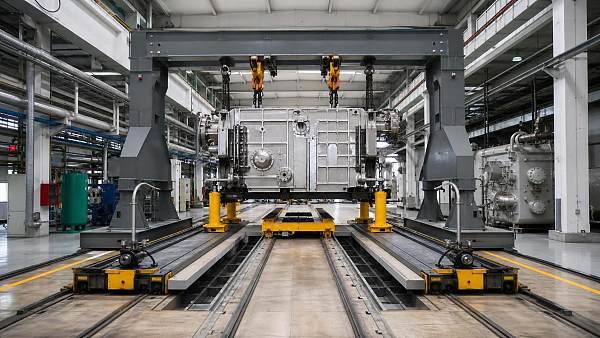
In fabrication plants, steel service centers, equipment assembly halls, and mega-warehousing interfaces, layout decisions made during the first 2–6 weeks of planning often shape operating performance for the next 10–20 years. For teams responsible for schedule, CAPEX discipline, and safe throughput, overhead cranes are not just lifting assets. They are part of the production flow architecture.
A crane can be technically strong yet operationally inefficient if runway span, hook approach, transfer zones, and floor traffic are poorly coordinated. That mismatch usually shows up as double handling, waiting time, blocked aisles, and unplanned interference with forklifts, stackers, or maintenance access platforms. For project managers, the real question is not whether to install overhead cranes, but how to integrate them into a layout that supports reliable output from day one.
Why facility layout determines whether overhead cranes save time or create hidden delays
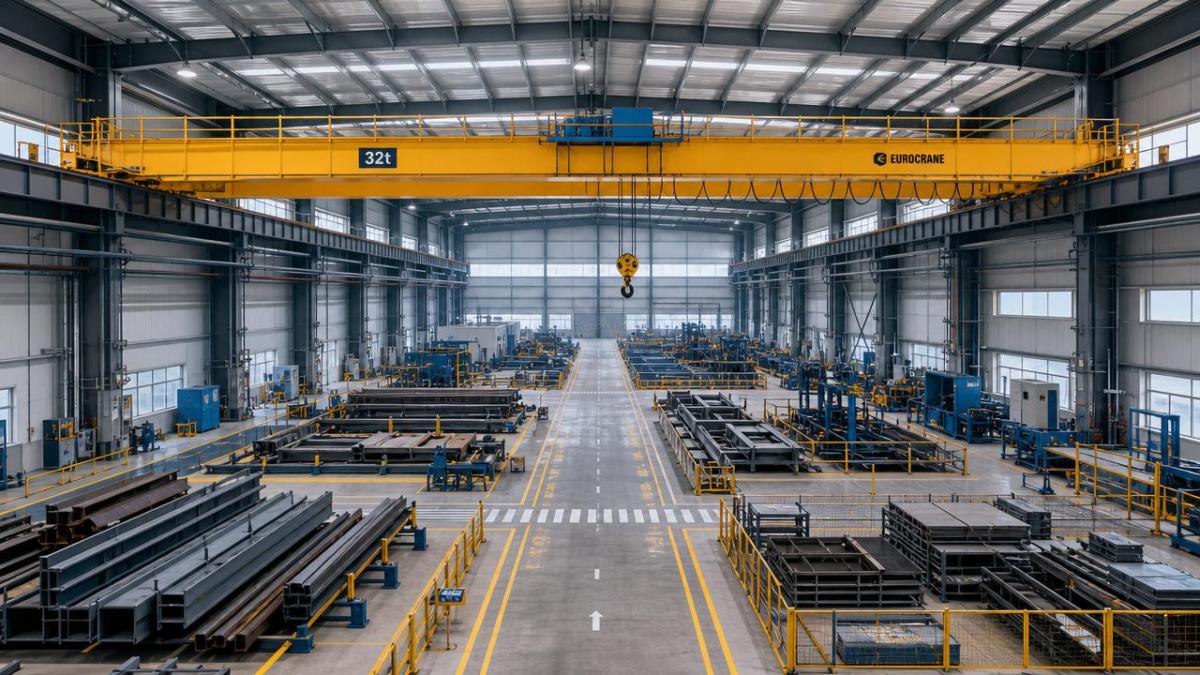
In most heavy workshops, 60%–80% of crane-related inefficiency does not come from hoist speed alone. It comes from path conflict, poor load staging, and misaligned work cells. If the crane must make extra bridge travel, wait for floor clearance, or serve too many unrelated zones, cycle time expands even when the equipment itself is modern.
This is especially true in operations combining forklifts, reach trucks, gantry transfer points, and suspended lifting systems. MHLE’s industry perspective consistently shows that the “last ten meters” of movement often decide whether a workshop feels smooth or congested. A component may arrive on time at the building, yet still miss assembly by 20–40 minutes because the internal transfer route was never designed around realistic lifting sequences.
The main delay sources project managers should check early
Before civil drawings are frozen, project teams should review at least 5 high-impact factors: crane coverage overlap, hook height under load, equipment approach clearances, raw-to-finished movement direction, and floor traffic separation. Missing even 1 of these items can create recurring delays across every shift.
- Insufficient runway coverage over inbound staging or outbound packing areas
- Load paths crossing forklift lanes more than 2–3 times per cycle
- Low hook approach forcing manual repositioning before lifting
- One crane serving too many stations with conflicting takt times
- Maintenance platforms, columns, or piping reducing effective lifting envelope
When a fast crane still causes slow production
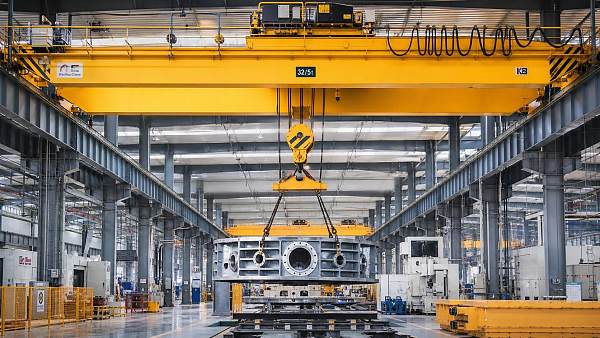
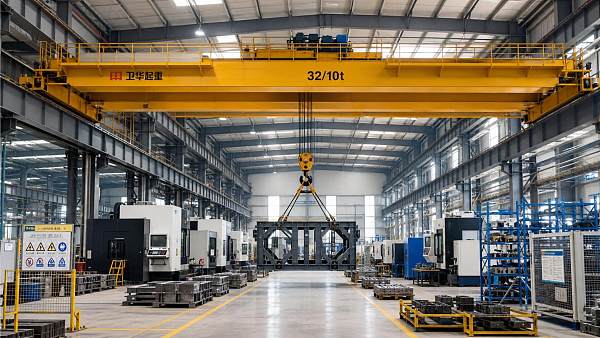
A double-girder overhead crane with VFD travel and anti-sway control can stop loads more precisely than older systems. However, if pallets, dies, coils, beams, or machine frames must first be moved 8–15 meters by forklift to enter the hook zone, the lifting system becomes only one link in a longer and slower chain. That is why layout planning should measure the full handling route, not just the crane specification sheet.
The table below shows how common layout choices affect daily handling performance in industrial facilities using overhead cranes.
The key lesson is simple: overhead cranes deliver the most value when they eliminate handling steps, not when they merely accelerate one isolated lift. Project managers should therefore review crane travel paths together with staging logic, not as separate design packages.
How to plan overhead crane layout around workflow, load paths, and safety zones
A practical layout process begins with movement mapping. Teams should document where each load starts, where it must end, how often it moves, and what mass range it carries. In many facilities, 70% of all lifts fall into only 3–5 repetitive routes. Those routes deserve first priority in runway alignment and workstation placement.
For project managers coordinating architects, structural engineers, production leads, and equipment suppliers, the goal is to create direct and conflict-free handling lanes. Overhead cranes should support the production rhythm of the building, especially where large assemblies, dies, coils, molds, fabricated beams, or maintenance components cannot move efficiently by ground equipment alone.
A 4-step layout method for new builds and retrofits
- Classify loads by weight, dimensions, lifting frequency, and destination zone.
- Map direct travel lines and mark every crossing with forklift lanes, people routes, or fixed machinery.
- Define crane service zones, buffer zones, and no-obstruction areas with at least 3 clearance checks.
- Validate the layout against peak-hour operation, maintenance access, and future capacity expansion of 15%–30%.
Service zoning is often more important than nominal capacity
A 10-ton crane placed over the right work cell can outperform a 20-ton crane serving the wrong area. If most lifts are 3–8 tons and happen every 12–18 minutes in one fabrication bay, direct zone coverage matters more than purchasing excess capacity that sits idle. Capacity should match real load profiles, but zone positioning determines whether those loads move on time.
The comparison below helps project leaders evaluate which layout approach is better suited to their operational model.
The right model depends on lift frequency, building geometry, and material mix. In many projects, the strongest result comes from hybrid planning rather than forcing overhead cranes to handle every movement in the workshop.
Critical dimensional checks before final approval
At approval stage, teams should verify span, runway length, approach dimensions, under-hook height, and lifting envelope against actual load geometry. A beam may weigh only 6 tons, but if it is 14 meters long and rotated near equipment, the usable clearance requirement can be far higher than expected.
- Check hook height against the tallest load plus rigging and safe travel allowance
- Review side approach near walls, columns, and machine guarding
- Confirm maintenance access for hoists, electrification, and end trucks
- Reserve floor space for receiving, rigging, and temporary load stabilization
What project managers should evaluate before selecting overhead cranes
Selecting overhead cranes is not only a lifting-capacity decision. For B2B project delivery, it is a balance of structural compatibility, duty cycle, control precision, operator safety, maintenance strategy, and expansion potential. Choosing too narrowly can lock a facility into avoidable rework within 3–5 years.
This matters even more in facilities pursuing smart manufacturing goals. When crane motion, anti-sway logic, variable frequency drives, and monitoring interfaces are selected correctly, teams gain more stable handling and more predictable schedules. When selected poorly, operators compensate manually, cycle time varies, and near-miss risk climbs.
Six selection criteria that affect both uptime and schedule risk
- Rated capacity versus actual working load distribution, not only maximum theoretical load
- Duty classification based on lifts per hour, daily operating hours, and shock loading profile
- Control features such as VFD travel, soft start, and anti-sway for precision stops
- Structural integration with runway beams, support columns, and future bay extension
- Inspection and maintenance accessibility to reduce downtime during annual or periodic checks
- Compatibility with digital monitoring, fault diagnostics, or usage tracking systems
Do not ignore maintenance windows during planning
A crane that performs well in commissioning can still become a bottleneck if it requires difficult access for brake checks, wheel inspection, cable service, or hoist replacement. In facilities running 2 shifts or 3 shifts, even a 4-hour maintenance stop can disrupt upstream and downstream operations. Layout should therefore include safe access points and realistic service windows from the start.
The matrix below can help project managers align selection criteria with plant requirements before procurement is finalized.
For many industrial buyers, these factors matter more than headline speed values. Overhead cranes create long-term value when they fit production reality, maintenance planning, and future throughput targets at the same time.
Implementation risks, common mistakes, and practical ways to avoid rework
Even well-funded projects can lose weeks because crane planning is finalized too late. A frequent mistake is treating overhead cranes as a standalone procurement item after building structure, workstation positions, and utility routing are already fixed. At that point, correcting hook path conflicts or support spacing may require structural change orders and schedule extensions of 2–8 weeks.
Another common issue is assuming one layout will suit both current production and future automation. If AGVs, automated storage links, or IoT-based dispatching are likely in phase 2, the layout should preserve communication pathways, transfer interfaces, and collision-free zoning from the beginning.
Mistakes that often increase total handling cost
- Specifying capacity before mapping actual load families and route frequency
- Ignoring the interaction between overhead cranes and forklift replenishment lanes
- Leaving no buffer area for rigging, inspection, or temporary staging
- Underestimating the effect of columns, lights, ducting, and process piping on clear travel
- Planning for average demand only and not validating peak-hour congestion
A practical coordination checklist
To reduce redesign risk, project managers should run a joint review with production, safety, structural, and lifting stakeholders before issuing final drawings. A 90-minute coordination meeting at the right stage can prevent months of downstream inefficiency. The checklist should include at least load map review, obstruction scan, maintenance access review, emergency procedure review, and phased expansion assumptions.
Where smart features add measurable value
Modern overhead cranes increasingly support anti-sway logic, VFD control, condition monitoring, and usage tracking. These features do not replace layout discipline, but they strengthen performance once the layout is correct. In high-value assembly and steel processing environments, smoother stopping and better hook stability can reduce placement corrections, lower impact risk, and improve operator confidence across hundreds of lifts per week.
For organizations managing multi-site industrial assets, there is also strategic value in standardizing crane planning principles. Common design rules for service zones, safety clearances, and maintenance access can simplify future expansions and make procurement reviews faster and more consistent.
When overhead cranes are planned as part of the total facility workflow, they do more than lift heavy loads. They shorten internal routes, reduce interruption points, and support safer, more predictable production. For project managers, that means fewer late-stage design corrections, better equipment utilization, and stronger control over schedule and operating cost.
MHLE follows these issues from the perspective of real industrial movement: the last meters, the exact lift path, the service interruption, and the safety margin that determines whether a workshop runs smoothly or struggles with hidden friction. If you are evaluating overhead cranes for a new plant, expansion, or retrofit, now is the right time to align layout, lifting strategy, and long-term uptime goals.
Contact us to discuss your application, request a tailored material handling plan, or explore more solutions for overhead cranes, integrated lifting systems, and smart workshop flow design.
Recommended News
 Aug 14, 2026China Tightens Export Checks on Lifting Equipment, Including Double Girder Overhead CranesChina tightens export checks on double girder overhead cranes and other lifting equipment. Learn what exporters must do to avoid customs rejection and delays.
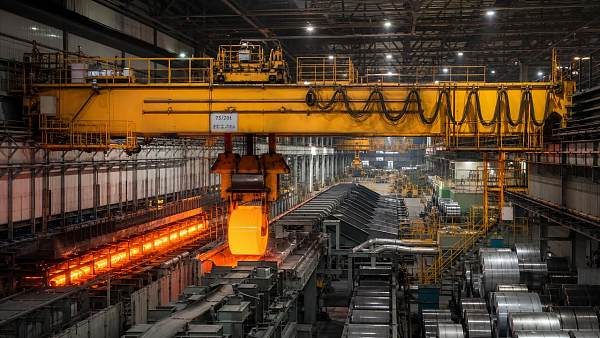
 Aug 10, 2026How to Specify Steel Mill Crane Systems for Heat, Load, and Duty CycleSteel mill crane systems specification guide for heat, load, and duty cycle. Learn how to reduce downtime, improve safety, and choose the right crane for demanding mill operations.
 Aug 10, 2026EN 13001-3:2026 Tightens Wind Stability TestsEN 13001-3:2026 tightens wind stability tests for EU-bound cranes, requiring simulation plus physical verification. Learn how CE certification, exports, and delivery timelines may be affected.
 Jul 27, 2026EU Updates EN 13001-3-1:2026 for Crane Wind StabilityEN 13001-3-1:2026 updates crane wind stability rules for Double Girder Overhead Cranes in the EU. Learn the new testing, CE compliance, and delivery impacts before 2027.
 Jul 07, 2026Precision Lifting Crane: Key Factors for Accurate Load PositioningPrecision lifting crane performance depends on anti-sway control, rigid structure, VFD tuning, and sensors. Learn what drives accurate load positioning before you buy.
 Jun 21, 2026Overhead Cranes for Workshops: Key Specs Before You ChooseOverhead cranes for workshops: compare capacity, span, headroom, duty class, and safety features to choose the right system, reduce downtime, and improve workflow ROI.
 Jun 20, 2026Heavy Component Hoisting Solutions for Tight Plant InstallationsHeavy component hoisting solutions for tight plant installations improve safety, precision, and shutdown control. Discover smart lifting strategies for confined industrial projects.
 Jun 17, 2026BOJ Rate Hike Lifts Appetite for Premium Equipment ImportsBOJ rate hike boosts Japan’s interest in premium equipment imports. See how a stronger yen may lift demand for Double Girder Overhead Cranes, VNA articulated trucks, and Li-ion forklifts.
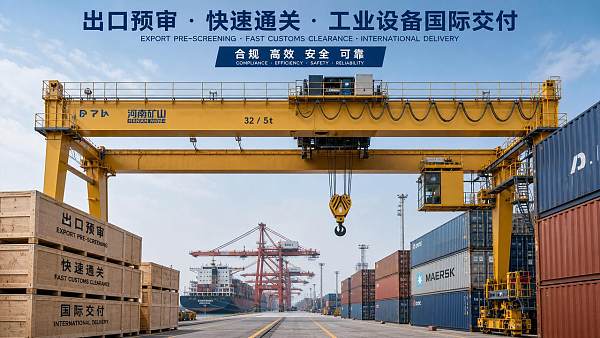
 Jun 13, 2026China Extends Smart Pre-Clearance to Overhead CranesChina extends smart pre-clearance to overhead cranes, cutting port inspection time to 4 hours for eligible AEO exporters. Learn the new document requirements and shipment planning impact.
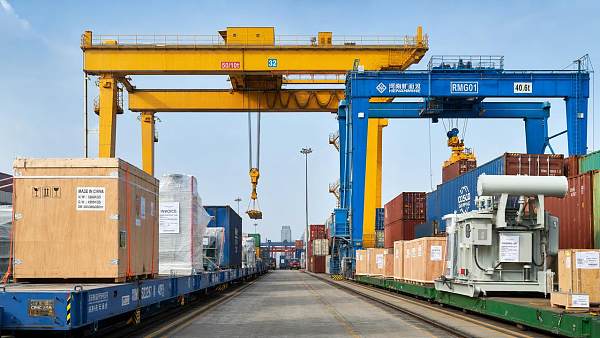
 Jun 11, 2026China Customs Tightens Export Declarations for CranesChina Customs tightens export declarations for cranes from June 30, 2026. Learn how Double Girder Overhead Cranes and RMG Gantry Cranes may face stricter filing rules.
 Jun 10, 2026Steel Mill Overhead Cranes: Key Duty Class and Heat Protection ChecksSteel mill overhead cranes demand more than rated capacity. Learn how duty class and heat protection checks improve safety, uptime, and long-term performance in harsh steel plant operations.
 May 28, 2026Overhead cranes can cut delays if layout is plannedOverhead cranes cut delays when layout is planned right. Learn how smarter crane zoning, safer load paths, and workflow alignment boost throughput and reduce costly downtime.