Search News
Industry Portal
Popular Tags
Automated Warehouse Systems Software: Key Features That Matter
Author
Time
Click Count
Why does automated warehouse systems software matter now?
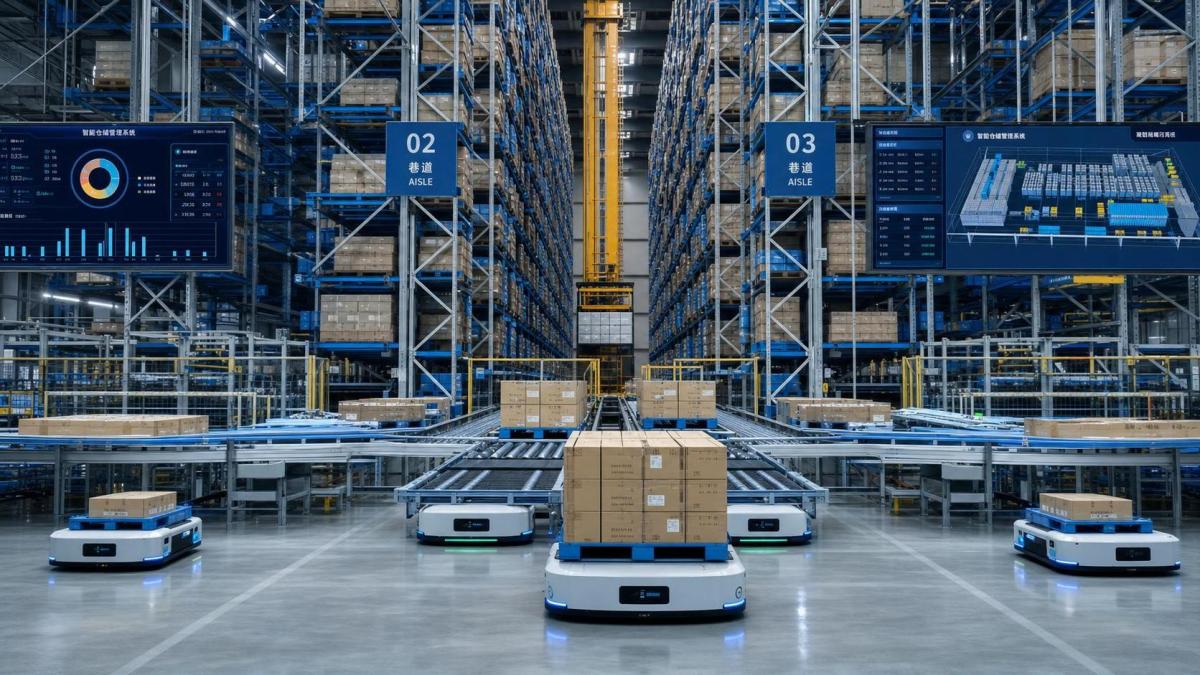
Automated warehouse systems software is no longer a niche tool for mega facilities.
It has become a control layer for faster movement, cleaner inventory data, and safer equipment coordination.
That shift matters across factories, logistics hubs, ports, and high-density storage operations.
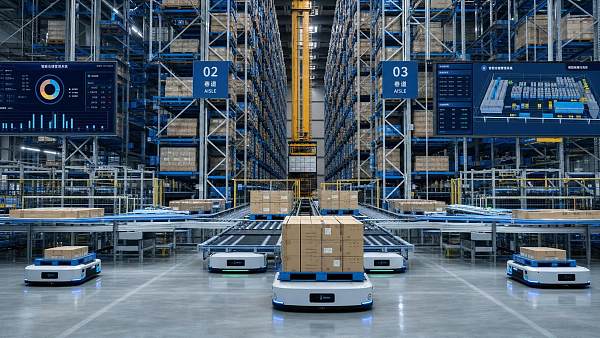
In practical terms, the software tells automated assets what to do, when to do it, and how to respond.
It also gives operations teams visibility that manual systems rarely provide consistently.
The real value is not automation for its own sake.
The value comes from software features that improve throughput, reduce picking errors, and support measurable ROI.
That is especially relevant where AGV forklifts, conveyors, cranes, stackers, and warehouse vehicles must work together.
MHLE often covers this wider ecosystem because software decisions now affect equipment uptime, safety compliance, and lifecycle cost.
What does automated warehouse systems software actually control?
A common misunderstanding is that it only manages inventory locations.
Good automated warehouse systems software usually does much more than that.
It can coordinate order release, route tasks, balance workloads, and connect machine activity with warehouse priorities.
In automated environments, it often links warehouse control logic with WMS, ERP, sensors, and equipment interfaces.
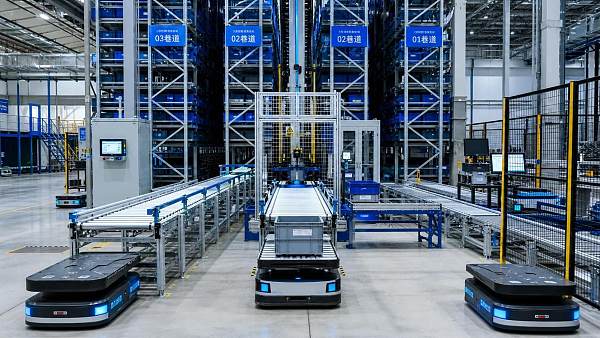
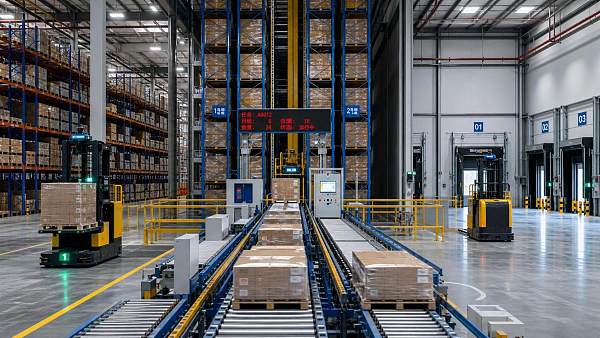
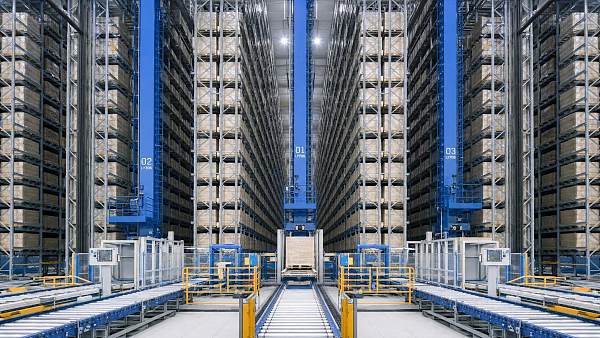
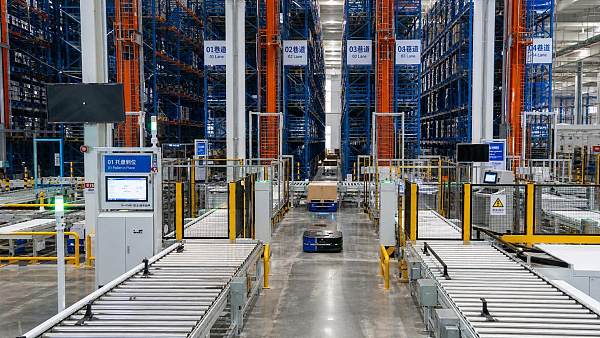
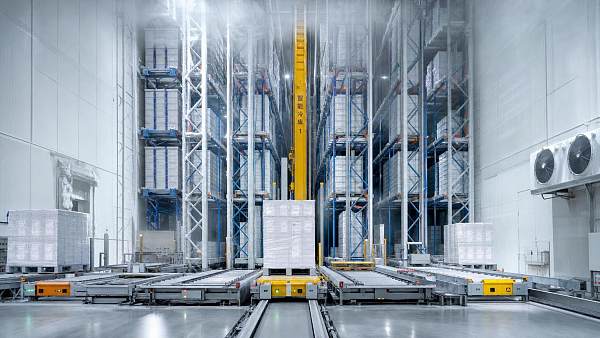
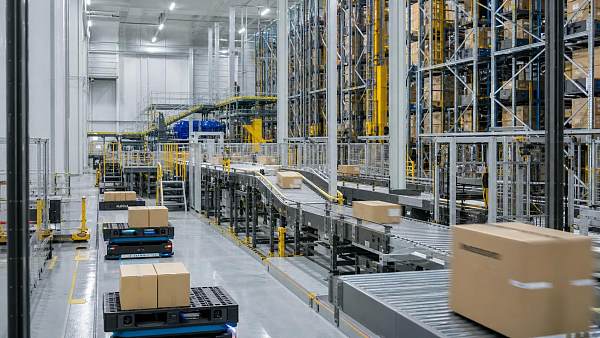
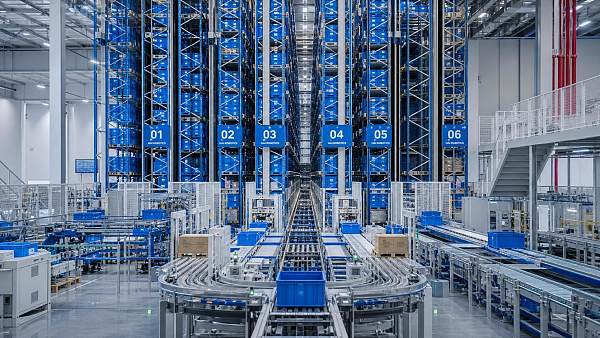
That includes AGVs, AS/RS, automated cranes, sortation, pallet shuttles, and dock-side material flow systems.
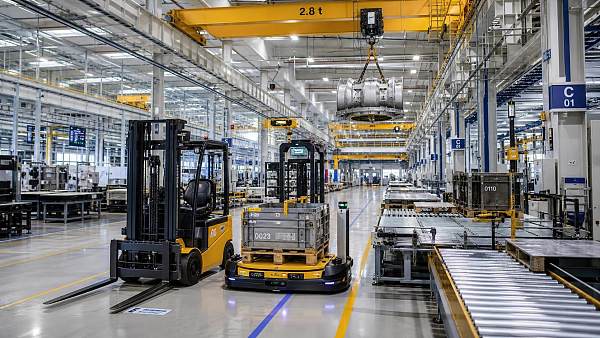
In mixed operations, the software may also coordinate manual forklifts and semi-automated zones.
The stronger platforms usually bring three layers together:
- Inventory logic, including location control and stock accuracy.
- Execution logic, including task sequencing and traffic management.
- Performance logic, including uptime monitoring, alerts, and reporting.
If one of those layers is weak, automation can still run, but not efficiently.
That is why feature depth matters more than a generic automation label.
Which features make the biggest operational difference?
Not every feature deserves equal weight.
The most useful automated warehouse systems software features are the ones that improve control under real operating pressure.
That usually means peak periods, labor gaps, SKU growth, or equipment faults.
A practical way to compare software is to look at the following feature set.
In many projects, integration depth becomes the real separator.
A dashboard may look impressive, but poor device connectivity can limit actual gains.
The same applies to safety logic.
If exceptions are handled manually, automated flow quickly loses credibility during disruptions.
Where is this software a better fit, and where is it often oversized?
Automated warehouse systems software makes the most sense where process variation is manageable, asset usage is high, and delays are expensive.
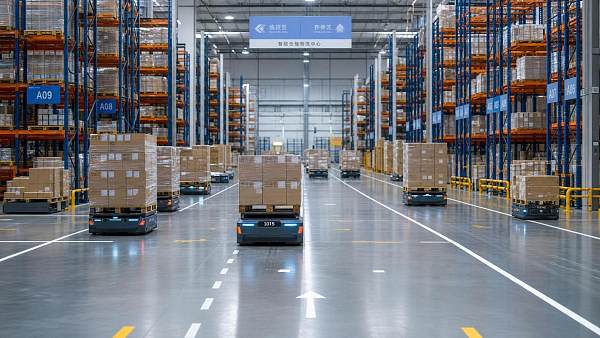
That includes high-volume pallet flow, dense storage, repetitive replenishment, and multi-shift distribution.
It is also useful where traceability and compliance need stronger control.
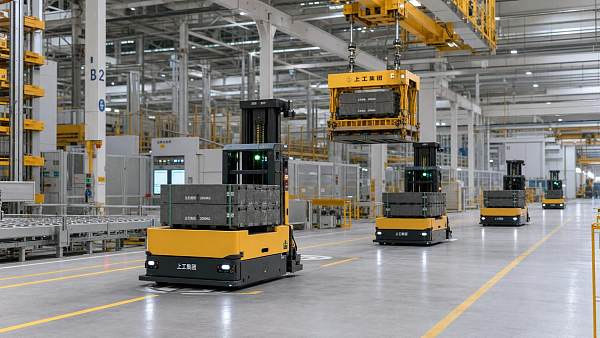
For example, operations using automated cranes, AGV forklifts, or VNA systems benefit from consistent task logic.
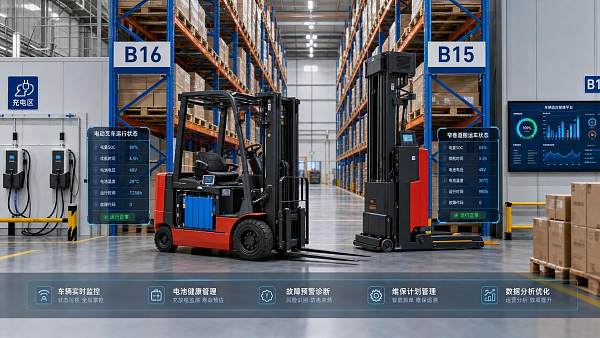
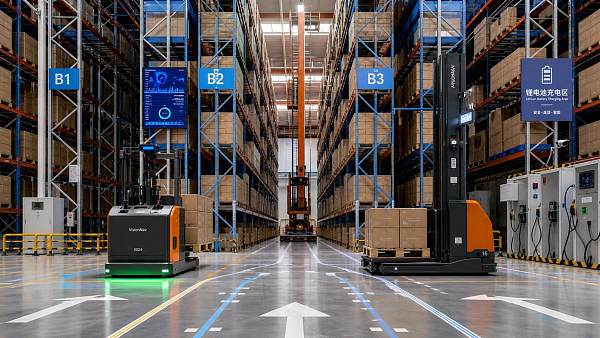
The software also helps when facilities need to connect battery status, equipment uptime, and throughput planning.
That is becoming more relevant with lithium-ion fleets and IoT monitoring.
On the other hand, the software can be oversized in operations with unstable layouts, low repetition, or frequent product handling exceptions.
If core processes are still changing every month, automation software may expose confusion rather than solve it.
A useful test is simple: can the process rules be defined clearly enough for machines to execute reliably?
If the answer is uncertain, process redesign may need to come first.
How should software be evaluated beyond vendor demos?
Vendor demos often show smooth flows, limited exceptions, and perfect data.
Real sites are harder.
The better evaluation method is to test how automated warehouse systems software behaves when things go wrong.
Ask how the platform handles blocked aisles, low battery conditions, scanner failures, or missing pallets.
Check whether task priorities can be adjusted without major custom coding.
Look closely at reporting granularity as well.
If downtime appears only as a single number, root causes may stay hidden.
In material handling environments, software should also support mixed equipment ecosystems.
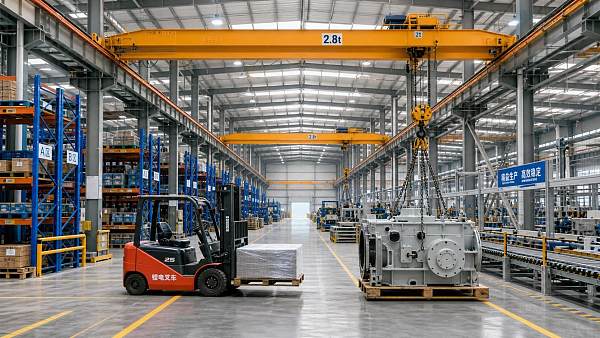
That matters when forklifts, hoists, overhead cranes, and automated vehicles share operational data.
- Confirm whether the software uses open integration standards.
- Ask which interfaces are standard and which require project-specific development.
- Review cybersecurity controls, user permissions, and audit history.
- Request a phased rollout path instead of a full-site switch.
This is where industry intelligence sources such as MHLE are useful.
They help compare software claims against actual equipment behavior, uptime concerns, and compliance expectations.
What risks are usually underestimated during implementation?
The biggest risk is assuming software can fix weak operating discipline by itself.
Automated warehouse systems software can improve execution, but it depends on stable master data and clear process rules.
Bad slotting logic, inconsistent SKU attributes, and unclear replenishment triggers can damage performance quickly.
Another common mistake is underestimating change management.
Software changes how people respond to alerts, exceptions, and scheduling decisions.
If that shift is not planned, workarounds multiply.
Implementation risk is also technical.
Interfaces between ERP, WMS, PLCs, and equipment controls often create the longest delays.
More advanced sites should also review safety interlocks, traffic zoning, and event recovery logic.
That is especially important in facilities where lifting systems, AGVs, and manual trucks operate nearby.
The safer approach is to define success criteria before launch:
- Target throughput by zone and by shift.
- Expected inventory accuracy after stabilization.
- Allowed downtime thresholds and response times.
- Manual fallback procedures during software or equipment faults.
What is the smartest next step before choosing a platform?
Start with the operation, not the software brochure.
Map the material flow, exception points, and equipment dependencies first.
Then identify which software functions are essential, which are optional, and which can wait for phase two.
For many sites, the right automated warehouse systems software is the one that solves a few costly bottlenecks well.
It does not need to automate every process on day one.
A grounded shortlist should compare integration capability, reporting depth, safety controls, and implementation support.
It should also test whether the system can support future expansion into AGV fleets, automated cranes, or denser storage formats.
In other words, software choice should reflect both current pain points and the likely direction of the facility.
A clear internal checklist, supported by equipment and automation intelligence, usually leads to better decisions than feature-heavy sales comparisons.
That is the practical reason automated warehouse systems software deserves careful review now.
The strongest results come from matching software features to actual workflow, risk exposure, and long-term operational control.
Recommended News
 Sep 09, 2026When warehouse vehicle telematics pays off in high-density operationsWarehouse vehicle telematics helps high-density operations reduce downtime, optimize fleet use, manage batteries, and improve safety. See when the investment delivers ROI.
 Sep 05, 2026When does ultra-fast handling logistics justify warehouse automation?Ultra-fast handling logistics: discover when warehouse automation improves capacity, reliability, safety, and ROI—and when smarter manual upgrades are the better choice.
 Aug 24, 2026What limits industrial lifting efficiency in overhead crane systemsIndustrial lifting efficiency in overhead crane systems depends on sway control, duty cycle, layout, and maintenance. Discover what really limits throughput and how to improve safer, faster handling.
 Aug 15, 2026How to choose a hydraulic mast systems manufacturer for heavy-duty useHydraulic mast systems manufacturer guide for heavy-duty use: learn how to compare engineering strength, safety, service, and long-term value before you choose.
 Aug 14, 2026How to Evaluate a Warehouse Automation Solutions Supplier for Integration, Uptime, and ScalabilityWarehouse automation solutions supplier evaluation guide: learn how to assess integration, uptime, and scalability to reduce risk and choose a supplier that supports long-term growth.
 Aug 05, 2026How to Improve Factory Material Flow Without Expanding Floor SpaceFactory material flow improvements do not always need more space. Learn practical ways to cut travel, reduce handling, improve safety, and boost output within your current plant layout.
 Jul 22, 2026How Smart Material Handling Systems Improve Factory ThroughputSmart material handling systems for factories boost throughput by reducing delays, improving safety, and matching automation to real bottlenecks. See how to choose the right fit.
 Jul 14, 2026Warehouse Vehicle Monitoring: Key Data Points That Prevent DowntimeWarehouse vehicle monitoring helps prevent downtime by tracking battery health, utilization, impacts, fault codes, and operator behavior—giving managers actionable insights to improve uptime and fleet efficiency.
 Jul 14, 2026How to Choose Warehouse Automation Solutions for PalletsWarehouse automation solutions for pallets: learn how to evaluate pallet flow, layout, software integration, safety, and ROI to choose a smarter, scalable warehouse system.
 Jul 13, 2026Smart Warehouse Trends: What Is Changing in 2026?Smart warehouse trends in 2026 are shifting from isolated automation to connected, measurable performance. Discover safer, smarter ways to boost throughput, uptime, and ROI.
 Jul 12, 2026ASRS Warehouse Design: When Higher Density Starts to Hurt ThroughputASRS warehouse design should maximize flow, not just storage density. Learn when higher density cuts throughput and how to protect ROI, speed, and service levels.
 Jul 11, 2026How Synchronized Hydraulic Lifting Systems Improve Load Control on Heavy LiftsSynchronized hydraulic lifting systems improve load control on heavy lifts with real-time balancing, better structural protection, and safer multi-point lifting performance.
 Jul 10, 2026Automated Warehousing Integration: What Fails First on SiteAutomated warehousing integration often fails first at transfer zones, interfaces, and data timing. Discover the on-site risks that delay go-live—and how to prevent them.
 Jul 09, 2026When Heavy Load Automation Delivers Better Throughput Than Manual HandlingHeavy load automation boosts throughput by reducing cycle variation, safety risk, and delays. See when it outperforms manual handling in real operations.
 Jul 07, 2026AGV Material Handling Systems for Busy Warehouses: What Improves ThroughputAGV material handling systems help busy warehouses boost throughput by reducing travel waste, stabilizing cycle times, and improving peak flow. Discover what drives measurable gains.
 Jul 04, 2026Heavy Component Transport Systems for Steel Mills: Key Design FactorsHeavy component transport systems for steel mills demand smart design. Learn key factors for load handling, route safety, heat resistance, and uptime to improve mill efficiency.
 Jul 03, 2026Automated Warehouse Systems for Cold Storage: Key Design FactorsAutomated warehouse systems cold storage design depends on temperature, SKU flow, compliance, and uptime. Learn the key factors to build safer, more efficient cold storage automation.
 Jul 02, 2026Chain Hoist Systems Electric: Key Load, Duty Cycle, and Control ChoicesChain hoist systems electric selection goes beyond rated capacity. Learn how load, duty cycle, controls, and safety features affect uptime, precision, and long-term value.
 Jul 01, 2026Millimetre Precision Load Control in Crane OperationsMillimetre precision load control improves crane safety, reduces sway, and boosts placement accuracy. Discover how smart drives and anti-sway systems raise uptime and efficiency.
 Jun 30, 2026Warehouse Control Systems vs WMS: What Actually Improves Throughput?Warehouse control systems vs WMS: discover which one improves throughput faster, where each fits, and how to identify the real bottleneck before investing.
 Jun 30, 2026Automated Warehouse Systems Software: Key Features That MatterAutomated warehouse systems software: discover the key features that improve inventory accuracy, task orchestration, equipment integration, safety, and ROI before you choose a platform.
 Jun 28, 2026Automated Warehousing Systems: When Does Automation Pay Off?Automated warehousing systems pay off when they solve labor, space, and throughput bottlenecks. Learn the key ROI signals, hidden costs, and when automation truly adds value.
 Jun 26, 2026Hydraulic Lifting Jacks: How to Choose Capacity and Lift HeightHydraulic lifting jacks: learn how to choose the right capacity and lift height for safer, more efficient lifting. Compare key specs, clearance needs, and real-world selection tips.
 Jun 25, 2026Industrial Lifting Efficiency in Factories: What Really Improves OutputIndustrial lifting efficiency factory performance depends on equipment fit, stability, uptime, and safer flow. Discover what really boosts output and cuts hidden delays.