Search News
Industry Portal
Popular Tags
Automated Warehousing Integration: What Fails First on Site
Author
Time
Click Count
Where Automated Warehousing Integration Usually Breaks First
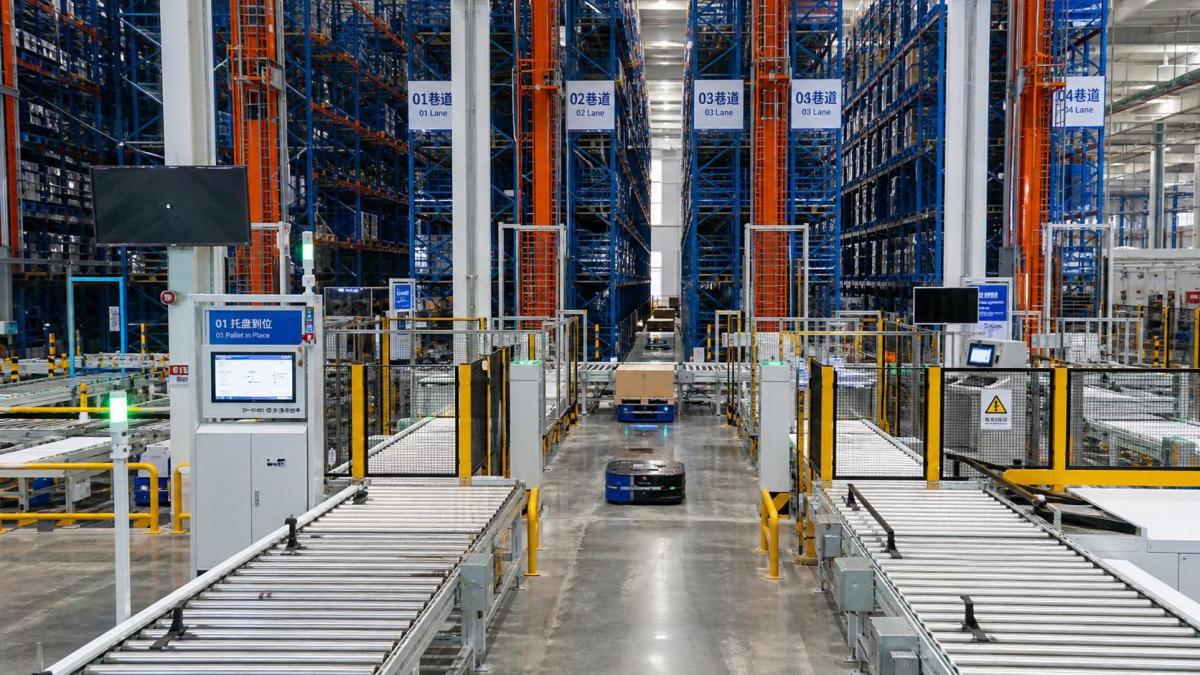
Automated warehousing integration rarely fails at the first software demo. It usually starts failing when real equipment meets real building limits, real traffic, and real operating pressure.
That matters across factories, logistics hubs, ports, workshops, and mixed industrial sites, where conveyors, AGV forklifts, stackers, cranes, and manual handling often share the same workflow.
In practice, the first issues are more physical and procedural than digital. Layout mismatch, undefined interface ownership, unstable data timing, and poor installation sequencing appear before optimization begins.
For any automated warehousing integration project, the real question is not whether automation works in principle. The question is whether the site can support it without hidden friction.
Why the Same Integration Plan Behaves Differently on Different Sites
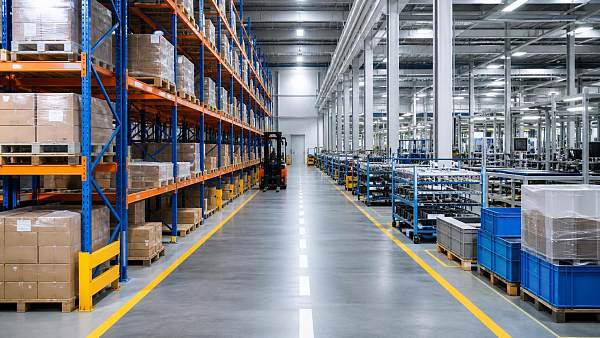
Two warehouses may store similar pallets and still need very different integration logic. One may prioritize throughput, while another is constrained by clearance, floor flatness, or mixed vehicle traffic.
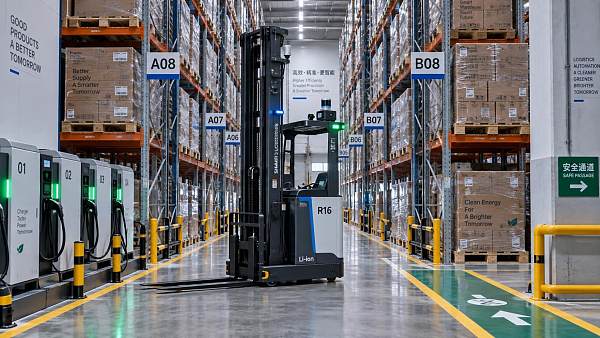
Automated warehousing integration changes character when the site mixes narrow aisle vehicles, overhead lifting, battery charging, packaging lines, and ERP or WMS handshakes.
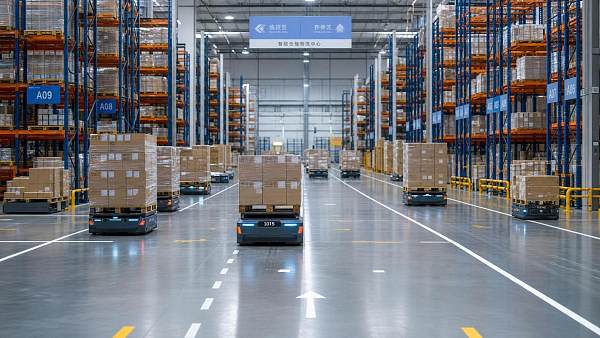
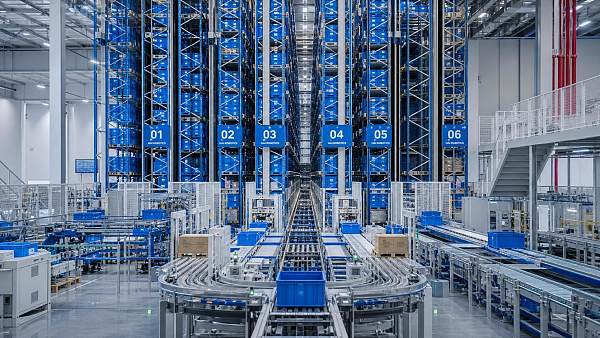
A high-bay e-commerce facility usually cares about data latency, slotting speed, and wave release accuracy. A heavy industrial warehouse often worries first about load stability, safety zoning, and equipment interference.
This is why early judgment should start with operating conditions, not catalog specifications. The same shuttle, conveyor, or automated crane can perform very differently under different site rhythms.
A quick comparison of site priorities
In Fast Pallet Operations, Transfer Zones Usually Cause the First Delays
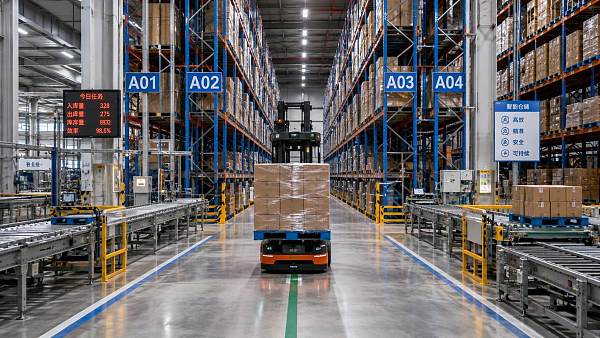
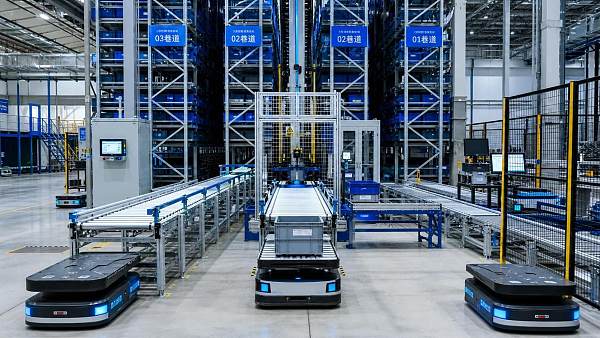
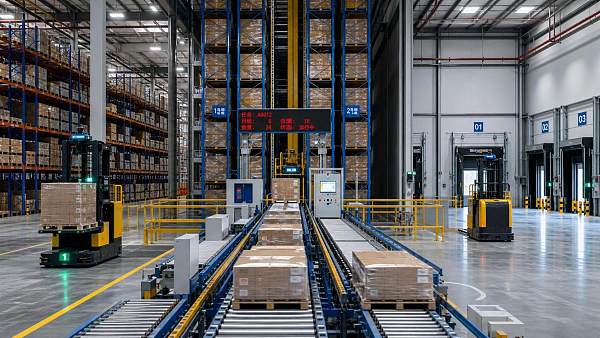
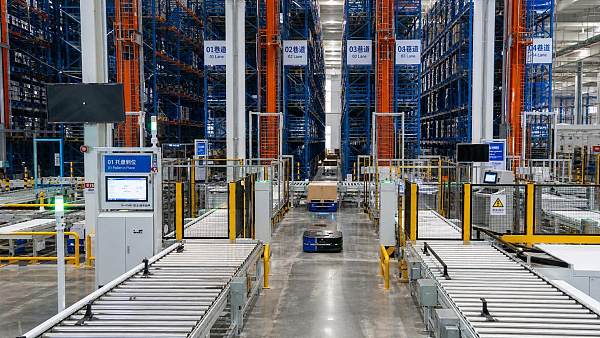
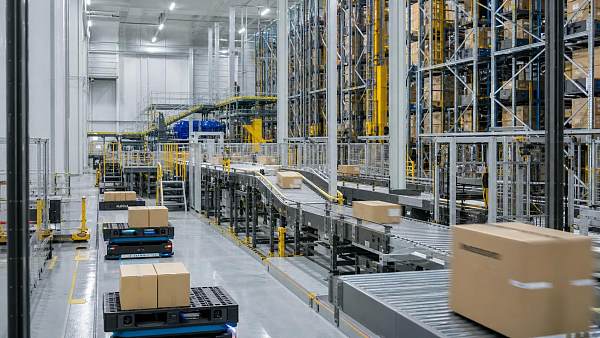
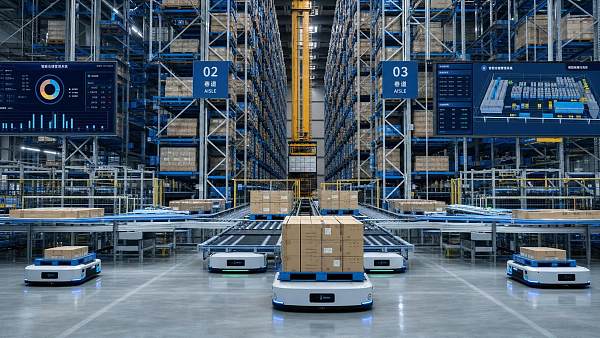
In distribution warehouses, automated warehousing integration often looks stable until pallets begin arriving in uneven bursts. Then the weak point becomes the transfer zone between systems.
The issue is rarely the conveyor alone. It is usually the relationship between pallet quality, barcode readability, AGV arrival timing, and line release rules.
A common misjudgment is assuming standard pallet dimensions guarantee reliable flow. In reality, overhang, damaged deck boards, wrapping tails, and skewed loads create repeated stoppages.
Automated warehousing integration works better here when transfer points are tested with actual load variation, not only nominal pallet data. Exception handling should be designed before commissioning, not after it.
What to confirm before go-live
- Actual pallet dimensional tolerance under load
- Scanner readability during peak movement speed
- Queue logic when one lane is blocked
- Fallback rules for manual intervention without system confusion
In Brownfield Facilities, Interface Ownership Fails Before Technology Does
Retrofit projects are where automated warehousing integration becomes less about hardware selection and more about responsibility mapping. Old conveyors, forklifts, hoists, and WMS logic create blurred boundaries.
One supplier may control mechanical installation, another controls PLC logic, and another manages host software. When a handoff fails, everyone can point to someone else.
This is often the first real breakdown on site. A sensor fault may look electrical, but the root cause may be bracket positioning. A routing delay may look software-related, but the source is an undefined signal owner.
The better approach is simple and strict. Every signal, stop condition, transfer confirmation, and recovery action should have one named owner and one validation method.
For automated warehousing integration in older buildings, the interface list is often more important than the equipment brochure. That is especially true where manual forklifts still work beside automated lanes.
Heavy Loads and Vertical Storage Change the First-Risk Profile
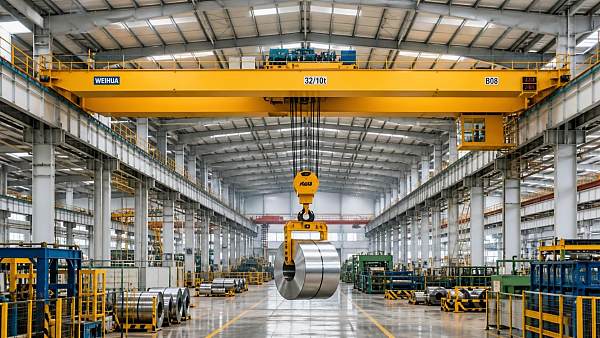
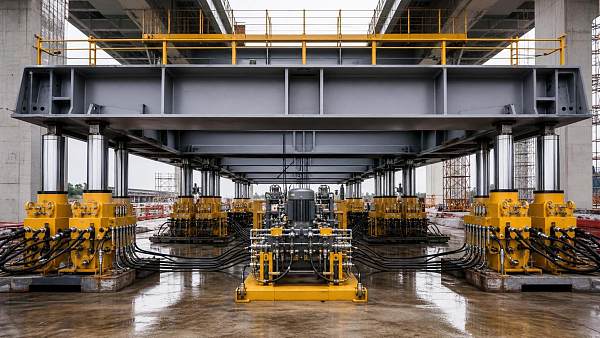
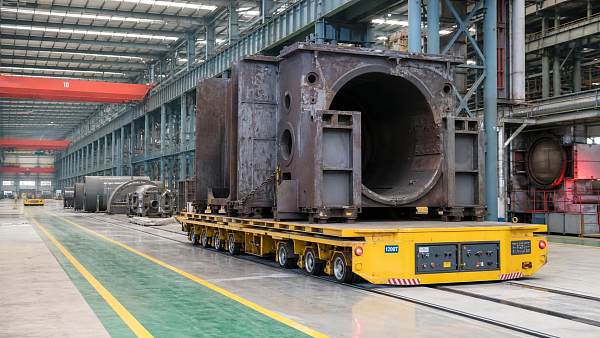
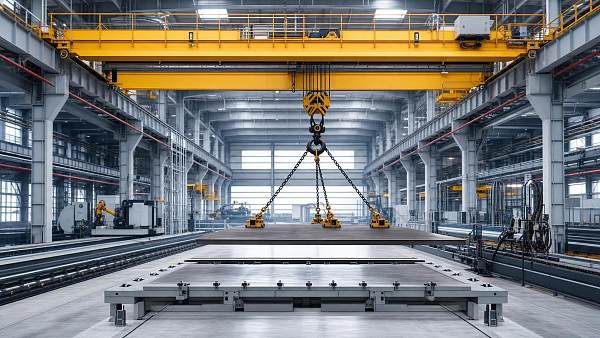
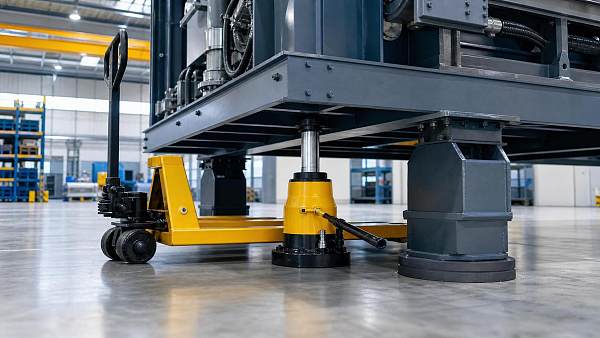
In facilities handling large components, coils, molds, or dense pallet loads, automated warehousing integration is shaped by mechanics first. Travel speed matters less than positional stability and clearance discipline.
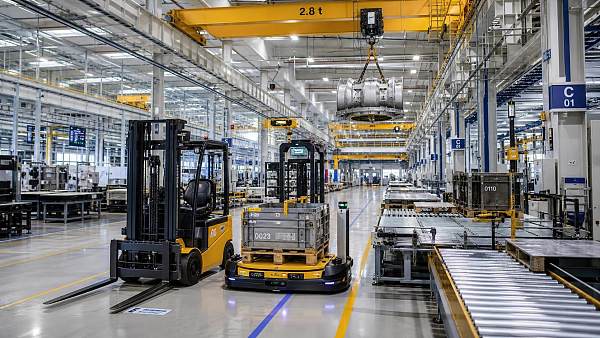
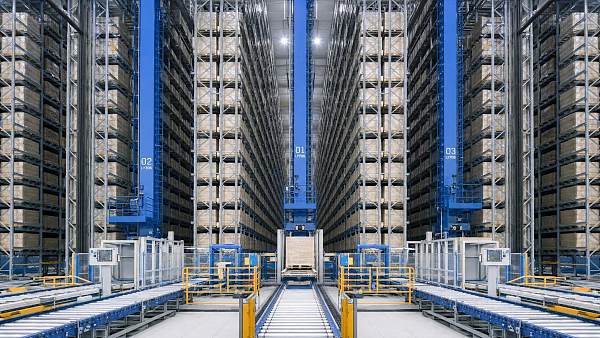
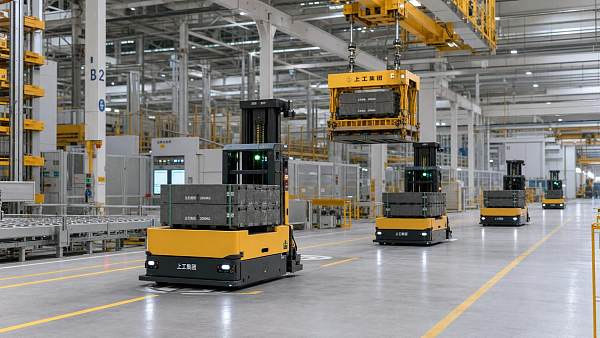
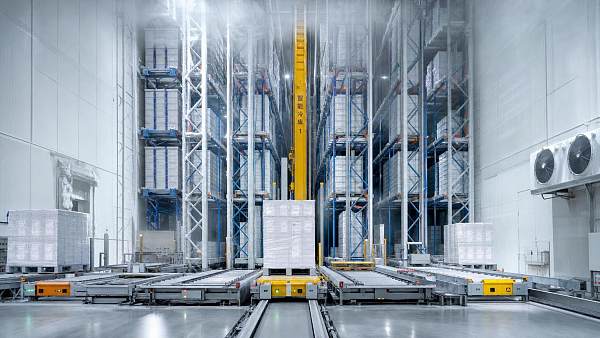
This is where automated cranes, stacker systems, overhead lifting, and guided transport need tighter coordination. A few millimeters of rail deviation or rack misalignment can become a repeating fault source.
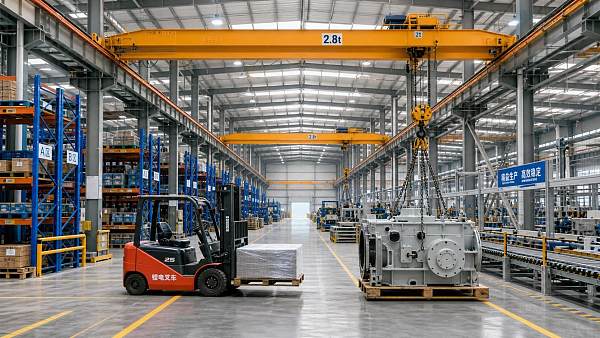
More importantly, heavy-load sites often mix automated handling with manual lifting support. That creates operational overlap, and overlap creates uncertainty unless zoning, access logic, and lockout rules are clear.
A frequent mistake is evaluating automated warehousing integration only through rated capacity. Rated capacity says little about vibration, sway, load center variation, or approach precision under actual site conditions.
On these sites, acceptance tests should include realistic loading sequences, emergency stops, restart behavior, and recovery after incomplete picks. Paper capacity alone does not protect commissioning schedules.
Data Flow Problems Usually Appear as Operational Confusion
When automated warehousing integration loses data stability, the symptom on site is not always a system alarm. It can appear as double allocation, missing pallets, stranded missions, or operators waiting without explanation.
The problem becomes more visible in mixed environments where ERP, WMS, WCS, AGVs, scanners, battery systems, and IoT monitoring exchange events at different speeds.
In practical terms, unstable data flow often starts at small points. Time stamps differ. Inventory status changes too early. A completed move is recorded before the load is physically confirmed.
That is why automated warehousing integration should be tested by transaction sequence, not just by interface connection. A healthy handshake is not enough if business logic is still out of order.
Typical signs that data logic is drifting
- Inventory shows movement before physical transfer finishes
- Equipment waits for release despite clear downstream space
- Recovery after faults creates duplicate transport orders
- Manual override breaks location accuracy for later cycles
Installation Sequencing Is an Underrated Integration Risk
Many automated warehousing integration projects slip because installation order does not match commissioning logic. Civil work, racks, charging areas, guarding, controls, and software readiness move on different calendars.
The result is familiar. Equipment is physically present but cannot be tested. Or software is ready, but access routes, power isolation, and safety fencing are still incomplete.
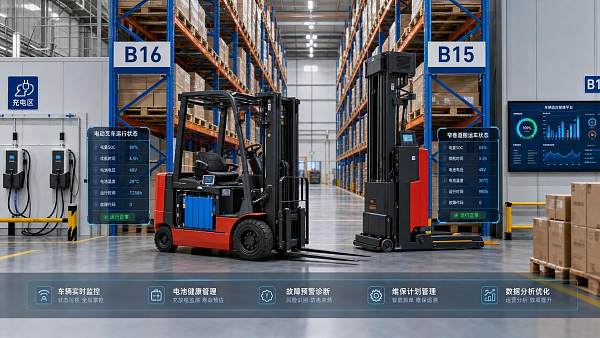
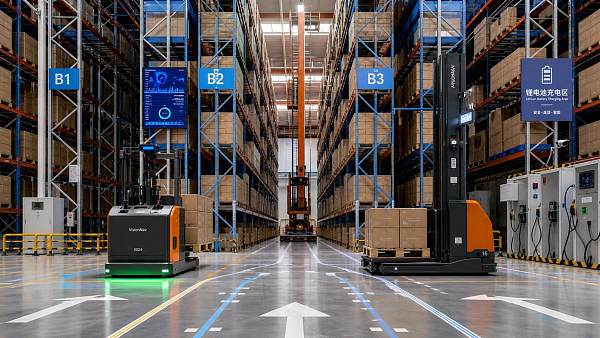
This becomes more difficult in multi-equipment environments, especially where reach trucks, AGV forklifts, conveyors, automated cranes, or lithium-ion charging systems share infrastructure.
A useful rule is to sequence installation by dependency, not by supplier convenience. The first commissioning path should be visible long before the full system is assembled.
What Gets Misread Most Often During Automated Warehousing Integration
The biggest errors are usually judgment errors. They do not look dramatic at first, but they create expensive friction later.
- Treating similar sites as identical, even when traffic density and load variation differ
- Reading equipment capacity without checking aisle geometry, floor condition, and service access
- Focusing on purchase scope while ignoring commissioning labor and recovery logic
- Assuming safety compliance is a final inspection item rather than a design input
- Testing normal flow carefully, while leaving exception flow vague
In the broader material handling sector, these mistakes matter because uptime, safety, and lifecycle cost are linked. Integration quality influences all three at once.
A More Reliable Way to Prepare the Next Integration Stage
The most reliable automated warehousing integration projects usually start with a sharper site review, not a longer feature list. Real conditions should be translated into validation checkpoints.
That means mapping load types, transfer points, signal ownership, manual interaction zones, recovery routines, and commissioning dependencies before final execution begins.
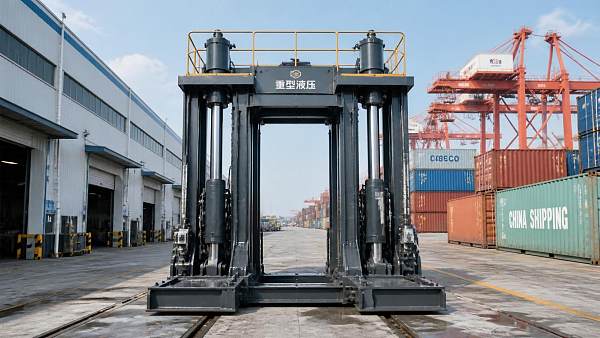
It also helps to compare conditions across similar applications. A pallet warehouse, a heavy industrial store, and a port-side buffer area may all automate movement, but the first failure triggers are not the same.
The next step is straightforward. Document the site-specific constraints, test the weak handoff points first, and build acceptance criteria around real operating exceptions, not ideal flow alone.
That approach makes automated warehousing integration more predictable, and it reduces the gap between engineered intent and on-site performance.
Recommended News
 Sep 09, 2026When warehouse vehicle telematics pays off in high-density operationsWarehouse vehicle telematics helps high-density operations reduce downtime, optimize fleet use, manage batteries, and improve safety. See when the investment delivers ROI.
 Sep 05, 2026When does ultra-fast handling logistics justify warehouse automation?Ultra-fast handling logistics: discover when warehouse automation improves capacity, reliability, safety, and ROI—and when smarter manual upgrades are the better choice.
 Aug 24, 2026What limits industrial lifting efficiency in overhead crane systemsIndustrial lifting efficiency in overhead crane systems depends on sway control, duty cycle, layout, and maintenance. Discover what really limits throughput and how to improve safer, faster handling.
 Aug 15, 2026How to choose a hydraulic mast systems manufacturer for heavy-duty useHydraulic mast systems manufacturer guide for heavy-duty use: learn how to compare engineering strength, safety, service, and long-term value before you choose.
 Aug 14, 2026How to Evaluate a Warehouse Automation Solutions Supplier for Integration, Uptime, and ScalabilityWarehouse automation solutions supplier evaluation guide: learn how to assess integration, uptime, and scalability to reduce risk and choose a supplier that supports long-term growth.
 Aug 05, 2026How to Improve Factory Material Flow Without Expanding Floor SpaceFactory material flow improvements do not always need more space. Learn practical ways to cut travel, reduce handling, improve safety, and boost output within your current plant layout.
 Jul 22, 2026How Smart Material Handling Systems Improve Factory ThroughputSmart material handling systems for factories boost throughput by reducing delays, improving safety, and matching automation to real bottlenecks. See how to choose the right fit.
 Jul 14, 2026Warehouse Vehicle Monitoring: Key Data Points That Prevent DowntimeWarehouse vehicle monitoring helps prevent downtime by tracking battery health, utilization, impacts, fault codes, and operator behavior—giving managers actionable insights to improve uptime and fleet efficiency.
 Jul 14, 2026How to Choose Warehouse Automation Solutions for PalletsWarehouse automation solutions for pallets: learn how to evaluate pallet flow, layout, software integration, safety, and ROI to choose a smarter, scalable warehouse system.
 Jul 13, 2026Smart Warehouse Trends: What Is Changing in 2026?Smart warehouse trends in 2026 are shifting from isolated automation to connected, measurable performance. Discover safer, smarter ways to boost throughput, uptime, and ROI.
 Jul 12, 2026ASRS Warehouse Design: When Higher Density Starts to Hurt ThroughputASRS warehouse design should maximize flow, not just storage density. Learn when higher density cuts throughput and how to protect ROI, speed, and service levels.
 Jul 11, 2026How Synchronized Hydraulic Lifting Systems Improve Load Control on Heavy LiftsSynchronized hydraulic lifting systems improve load control on heavy lifts with real-time balancing, better structural protection, and safer multi-point lifting performance.
 Jul 10, 2026Automated Warehousing Integration: What Fails First on SiteAutomated warehousing integration often fails first at transfer zones, interfaces, and data timing. Discover the on-site risks that delay go-live—and how to prevent them.
 Jul 09, 2026When Heavy Load Automation Delivers Better Throughput Than Manual HandlingHeavy load automation boosts throughput by reducing cycle variation, safety risk, and delays. See when it outperforms manual handling in real operations.
 Jul 07, 2026AGV Material Handling Systems for Busy Warehouses: What Improves ThroughputAGV material handling systems help busy warehouses boost throughput by reducing travel waste, stabilizing cycle times, and improving peak flow. Discover what drives measurable gains.
 Jul 04, 2026Heavy Component Transport Systems for Steel Mills: Key Design FactorsHeavy component transport systems for steel mills demand smart design. Learn key factors for load handling, route safety, heat resistance, and uptime to improve mill efficiency.
 Jul 03, 2026Automated Warehouse Systems for Cold Storage: Key Design FactorsAutomated warehouse systems cold storage design depends on temperature, SKU flow, compliance, and uptime. Learn the key factors to build safer, more efficient cold storage automation.
 Jul 02, 2026Chain Hoist Systems Electric: Key Load, Duty Cycle, and Control ChoicesChain hoist systems electric selection goes beyond rated capacity. Learn how load, duty cycle, controls, and safety features affect uptime, precision, and long-term value.
 Jul 01, 2026Millimetre Precision Load Control in Crane OperationsMillimetre precision load control improves crane safety, reduces sway, and boosts placement accuracy. Discover how smart drives and anti-sway systems raise uptime and efficiency.
 Jun 30, 2026Warehouse Control Systems vs WMS: What Actually Improves Throughput?Warehouse control systems vs WMS: discover which one improves throughput faster, where each fits, and how to identify the real bottleneck before investing.
 Jun 30, 2026Automated Warehouse Systems Software: Key Features That MatterAutomated warehouse systems software: discover the key features that improve inventory accuracy, task orchestration, equipment integration, safety, and ROI before you choose a platform.
 Jun 28, 2026Automated Warehousing Systems: When Does Automation Pay Off?Automated warehousing systems pay off when they solve labor, space, and throughput bottlenecks. Learn the key ROI signals, hidden costs, and when automation truly adds value.
 Jun 26, 2026Hydraulic Lifting Jacks: How to Choose Capacity and Lift HeightHydraulic lifting jacks: learn how to choose the right capacity and lift height for safer, more efficient lifting. Compare key specs, clearance needs, and real-world selection tips.
 Jun 25, 2026Industrial Lifting Efficiency in Factories: What Really Improves OutputIndustrial lifting efficiency factory performance depends on equipment fit, stability, uptime, and safer flow. Discover what really boosts output and cuts hidden delays.