Search News
Industry Portal
Popular Tags
Smart Warehouse Trends: What Is Changing in 2026?
Author
Time
Click Count
The smart warehouse is becoming an operating model, not a pilot project
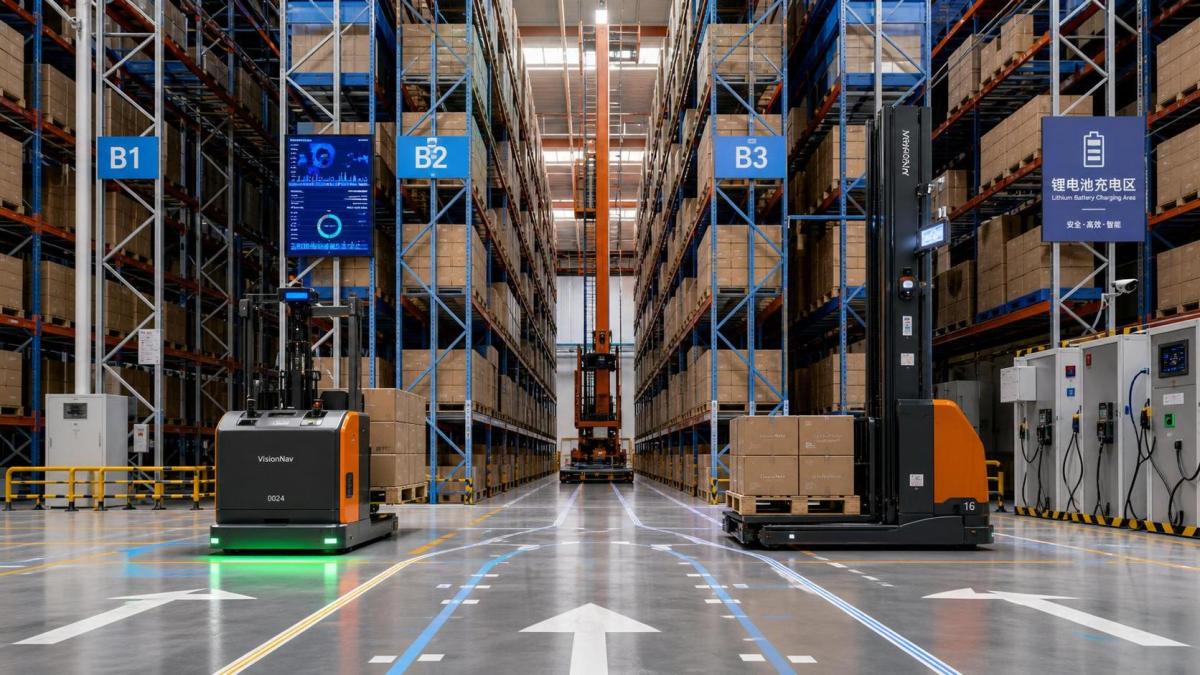
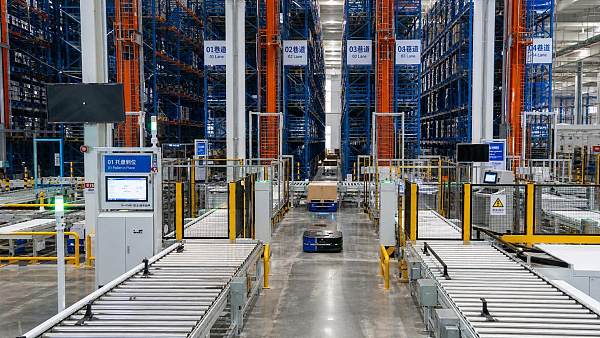
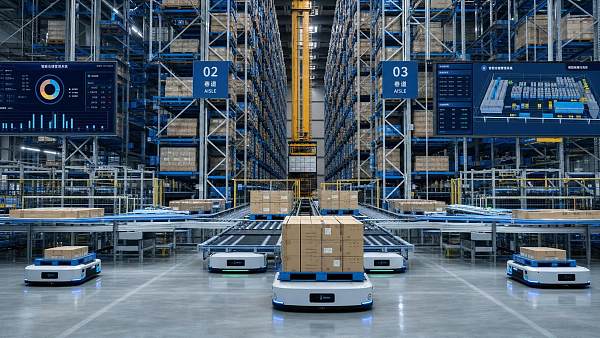
In 2026, the smart warehouse is no longer defined by isolated automation or dashboard visibility alone.
What is changing more clearly is the role it plays in business resilience, labor strategy, safety control, and throughput planning.
Across factories, distribution centers, ports, workshops, and industrial plants, operators are rethinking how materials move through every shift.
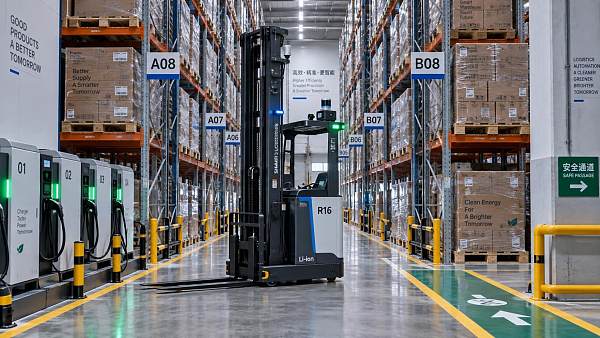
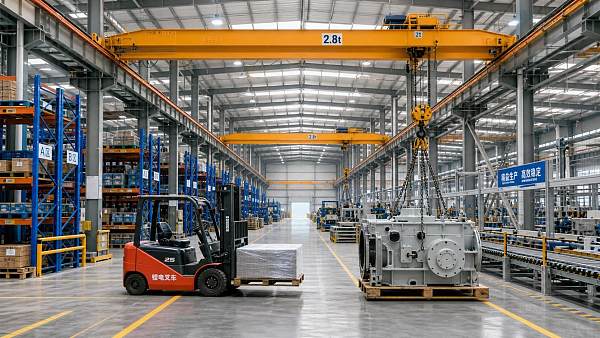
That shift is especially visible in environments using forklifts, reach trucks, VNA vehicles, automated cranes, electric hoists, and IoT fleet systems.
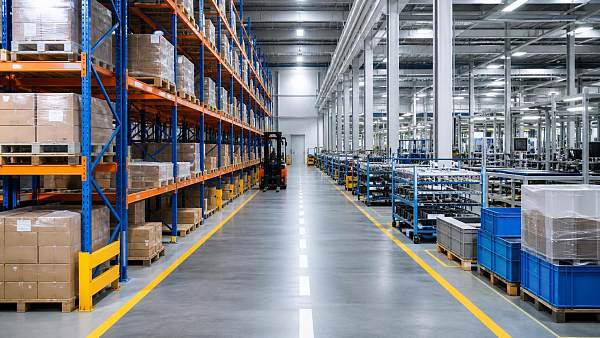
The smart warehouse now sits at the intersection of pallet flow, lifting stability, energy use, compliance, and uptime.
This matters because warehouse performance is being judged less by installed equipment volume and more by decision quality per movement.
A site may own advanced assets, yet still lose margin through congestion, battery delays, unsafe lifting, or poor slotting logic.
From recent market signals, the strongest demand is for systems that connect machine behavior with operational outcomes.
That is why smart warehouse discussions now include not only robots, but mast stability, anti-sway control, battery recovery, and inspection readiness.
Why the change is becoming more visible in 2026
Several forces are pushing the smart warehouse from optional upgrade to strategic necessity.
Labor volatility remains one driver, but it is no longer the only one.
Inventory accuracy pressure, tighter delivery windows, and safety exposure are now shaping investment decisions with equal weight.
Another reason is that equipment intelligence has matured.
Forklifts, cranes, AGV forklifts, boom lifts, and hoists increasingly generate usable operating data instead of disconnected alerts.
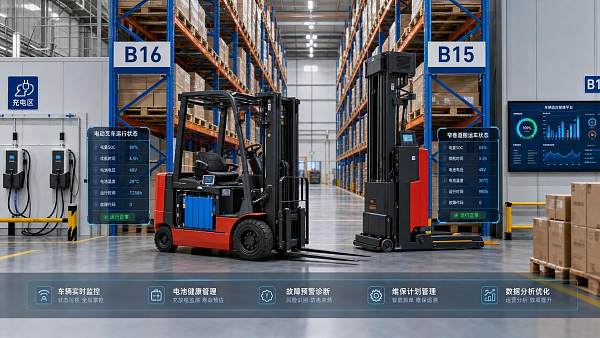
When those signals are linked to warehouse software, managers can see why pallet flow slows, where charging disrupts cycles, and which assets create recurring risk.
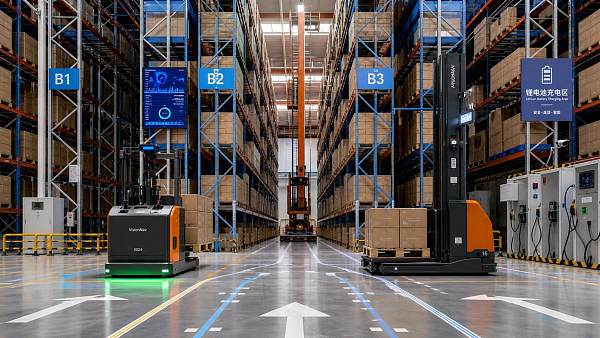
- Lithium-ion adoption is reducing charging friction and making multi-shift fleet planning more predictable.
- IoT monitoring is improving maintenance timing and exposing hidden underuse or abuse across material handling fleets.
- Automation costs are becoming easier to justify when compared with downtime, errors, and accident-related loss.
- Compliance expectations are rising, especially around OSHA, CE, overload protection, and traceable inspection records.
More importantly, the smart warehouse is expanding beyond e-commerce narratives.
Heavy manufacturing, cold storage, export hubs, shipyards, and mixed-use industrial campuses are now part of the same digital transition.
The biggest shift is from equipment automation to flow orchestration
A few years ago, many smart warehouse projects focused on automating a single task.
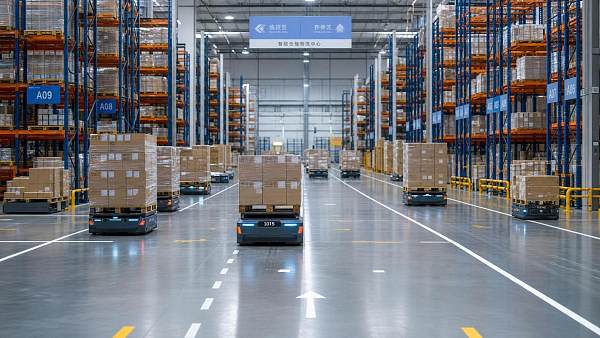
In 2026, the more advanced sites are coordinating several movements at once.
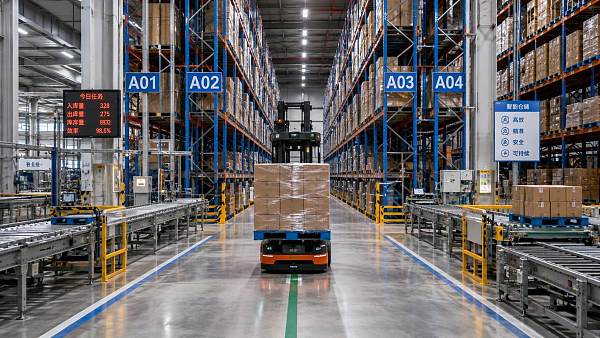
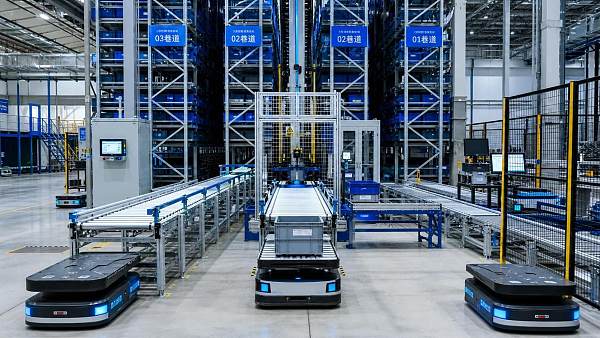
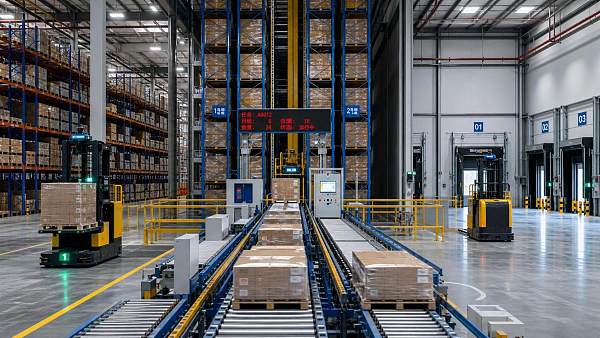
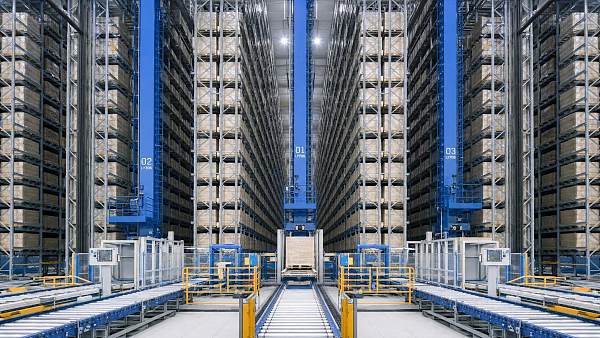
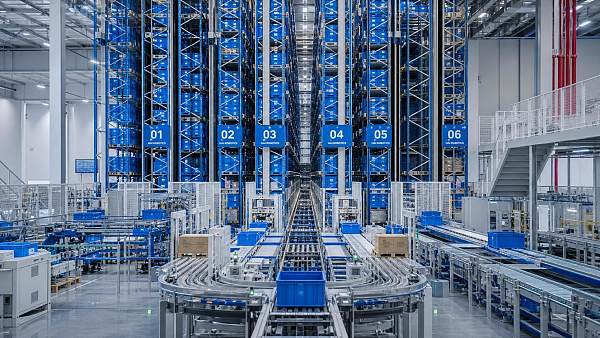
That includes inbound unloading, rack replenishment, narrow-aisle storage, crane positioning, and outbound staging.
The operational question has changed from “Which machine can automate this step?” to “How do all movements stay synchronized?”
This is where the smart warehouse becomes more than a software label.
It starts to depend on compatibility between forklifts, racking design, sensor coverage, warehouse control systems, and lifting safety logic.
A reach truck with strong telemetry helps, but only if location data, battery state, and task priority are visible in real time.
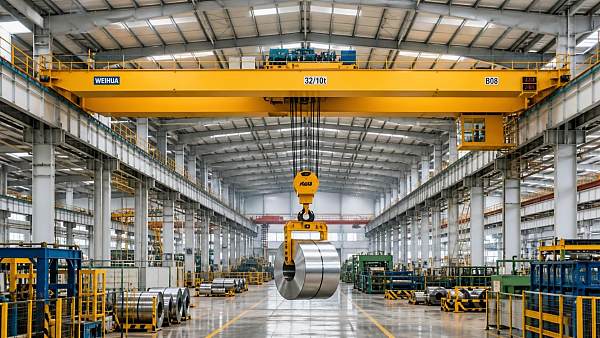
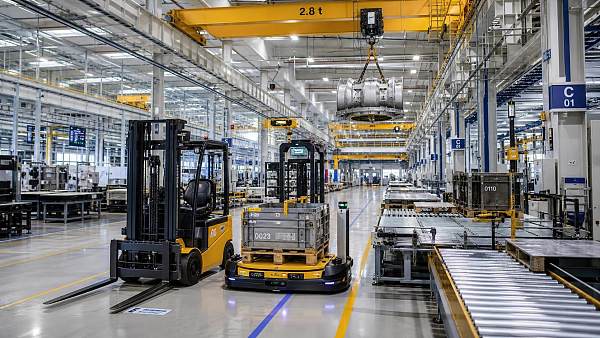
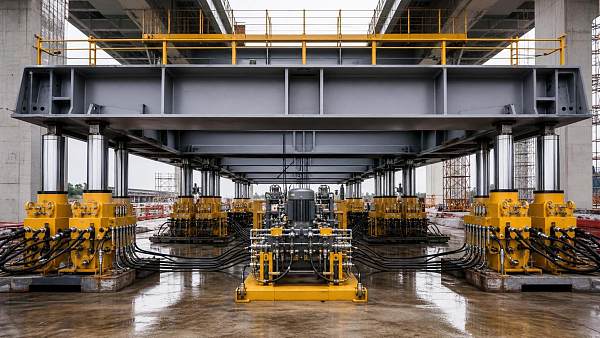
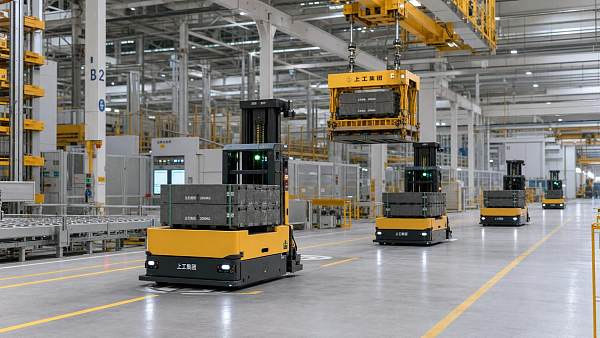
An automated crane raises throughput, but only if anti-sway control and positioning repeatability support the required cycle speed.
Demand is moving toward safer and more measurable warehouse performance
One of the clearest smart warehouse trends is the shift from abstract digital ambition to measurable operational proof.
Projects are now expected to show cycle time gains, fewer handling errors, lower impact incidents, and stronger uptime.
That is changing what counts as valuable technology.
For example, camera systems matter, but so do load sensors, mast stability diagnostics, and battery health analytics.
In many smart warehouse environments, safety and productivity are no longer treated as separate budgets.
This is particularly relevant where forklifts interact with pedestrians, overhead lifting crosses shared zones, or high-bay operations leave little room for recovery.
More sites are also evaluating aerial work platforms and access systems as part of warehouse modernization.
That reflects a broader view of smart warehouse operations, where maintenance access and safe height work affect uptime as much as storage density does.
The practical implication is simple.
If a system cannot be measured, audited, and maintained, it will struggle to remain central in 2026 investment planning.
The impact is spreading across more than one warehouse function
A smart warehouse does not change value only at the picking line or the storage aisle.
Its effects now reach scheduling, equipment lifecycle decisions, export readiness, and even insurance conversations.
In actual operations, four areas are being reshaped at the same time.
- Throughput: better slotting, synchronized travel paths, and automated staging reduce wait time between touches.
- Asset life: predictive maintenance and usage visibility reduce preventable wear on forklifts, hoists, and cranes.
- Safety posture: digital inspections, overload alerts, and anti-rollover logic improve control in high-risk movements.
- Capital planning: operators can compare retrofit value against full replacement with better operational evidence.
This broader impact explains why smart warehouse budgets are increasingly reviewed alongside plant efficiency and logistics strategy.
It also explains why information platforms such as MHLE have become more relevant.
Decision quality now depends on understanding not just automation headlines, but lifting mechanics, control logic, safety standards, and field application results.
What deserves closer attention before budgets move further
The next phase of smart warehouse investment will reward discipline more than speed.
Many operations already know where they want more automation.
The harder question is whether current workflows, floor conditions, data quality, and equipment mix can support it.
Look for integration friction, not just equipment gaps
A smart warehouse often underperforms because interfaces are weak, not because machines are missing.
Battery systems may not align with shift peaks.
Vehicle telemetry may not connect with maintenance schedules.
Crane control may be precise, yet aisle traffic still creates delay.
Watch the standards environment
Compliance is becoming a design variable, not a final checklist.
Inspection traceability, operator assistance logic, and documented safety performance increasingly shape deployment choices.
Measure warehouse intelligence by recovery speed
The strongest smart warehouse systems are not only efficient during stable periods.
They recover faster from labor absence, battery issues, blocked aisles, urgent orders, or equipment faults.
The next practical move is to narrow the decision scope
By 2026, the smart warehouse is less about chasing a perfect model and more about improving critical movements first.
That usually starts with one constrained question.
Where is the current system losing time, safety margin, or asset availability in ways that can be measured?
From there, the most useful next steps are concrete.
- Map high-friction pallet and lifting movements across one full operating cycle.
- Compare utilization, charging, fault, and inspection records across core assets.
- Review whether forklift, crane, hoist, and warehouse software data can be used together.
- Prioritize upgrades that improve visibility, control precision, and recovery speed together.
The real direction of the smart warehouse is now clear.
It is becoming a coordinated performance system for materials movement, lifting safety, energy efficiency, and operational resilience.
Those who read the signal early will make better decisions long before the market calls them obvious.
Recommended News
 Sep 09, 2026When warehouse vehicle telematics pays off in high-density operationsWarehouse vehicle telematics helps high-density operations reduce downtime, optimize fleet use, manage batteries, and improve safety. See when the investment delivers ROI.
 Sep 05, 2026When does ultra-fast handling logistics justify warehouse automation?Ultra-fast handling logistics: discover when warehouse automation improves capacity, reliability, safety, and ROI—and when smarter manual upgrades are the better choice.
 Aug 24, 2026What limits industrial lifting efficiency in overhead crane systemsIndustrial lifting efficiency in overhead crane systems depends on sway control, duty cycle, layout, and maintenance. Discover what really limits throughput and how to improve safer, faster handling.
 Aug 15, 2026How to choose a hydraulic mast systems manufacturer for heavy-duty useHydraulic mast systems manufacturer guide for heavy-duty use: learn how to compare engineering strength, safety, service, and long-term value before you choose.
 Aug 14, 2026How to Evaluate a Warehouse Automation Solutions Supplier for Integration, Uptime, and ScalabilityWarehouse automation solutions supplier evaluation guide: learn how to assess integration, uptime, and scalability to reduce risk and choose a supplier that supports long-term growth.
 Aug 05, 2026How to Improve Factory Material Flow Without Expanding Floor SpaceFactory material flow improvements do not always need more space. Learn practical ways to cut travel, reduce handling, improve safety, and boost output within your current plant layout.
 Jul 22, 2026How Smart Material Handling Systems Improve Factory ThroughputSmart material handling systems for factories boost throughput by reducing delays, improving safety, and matching automation to real bottlenecks. See how to choose the right fit.
 Jul 14, 2026Warehouse Vehicle Monitoring: Key Data Points That Prevent DowntimeWarehouse vehicle monitoring helps prevent downtime by tracking battery health, utilization, impacts, fault codes, and operator behavior—giving managers actionable insights to improve uptime and fleet efficiency.
 Jul 14, 2026How to Choose Warehouse Automation Solutions for PalletsWarehouse automation solutions for pallets: learn how to evaluate pallet flow, layout, software integration, safety, and ROI to choose a smarter, scalable warehouse system.
 Jul 13, 2026Smart Warehouse Trends: What Is Changing in 2026?Smart warehouse trends in 2026 are shifting from isolated automation to connected, measurable performance. Discover safer, smarter ways to boost throughput, uptime, and ROI.
 Jul 12, 2026ASRS Warehouse Design: When Higher Density Starts to Hurt ThroughputASRS warehouse design should maximize flow, not just storage density. Learn when higher density cuts throughput and how to protect ROI, speed, and service levels.
 Jul 11, 2026How Synchronized Hydraulic Lifting Systems Improve Load Control on Heavy LiftsSynchronized hydraulic lifting systems improve load control on heavy lifts with real-time balancing, better structural protection, and safer multi-point lifting performance.
 Jul 10, 2026Automated Warehousing Integration: What Fails First on SiteAutomated warehousing integration often fails first at transfer zones, interfaces, and data timing. Discover the on-site risks that delay go-live—and how to prevent them.
 Jul 09, 2026When Heavy Load Automation Delivers Better Throughput Than Manual HandlingHeavy load automation boosts throughput by reducing cycle variation, safety risk, and delays. See when it outperforms manual handling in real operations.
 Jul 07, 2026AGV Material Handling Systems for Busy Warehouses: What Improves ThroughputAGV material handling systems help busy warehouses boost throughput by reducing travel waste, stabilizing cycle times, and improving peak flow. Discover what drives measurable gains.
 Jul 04, 2026Heavy Component Transport Systems for Steel Mills: Key Design FactorsHeavy component transport systems for steel mills demand smart design. Learn key factors for load handling, route safety, heat resistance, and uptime to improve mill efficiency.
 Jul 03, 2026Automated Warehouse Systems for Cold Storage: Key Design FactorsAutomated warehouse systems cold storage design depends on temperature, SKU flow, compliance, and uptime. Learn the key factors to build safer, more efficient cold storage automation.
 Jul 02, 2026Chain Hoist Systems Electric: Key Load, Duty Cycle, and Control ChoicesChain hoist systems electric selection goes beyond rated capacity. Learn how load, duty cycle, controls, and safety features affect uptime, precision, and long-term value.
 Jul 01, 2026Millimetre Precision Load Control in Crane OperationsMillimetre precision load control improves crane safety, reduces sway, and boosts placement accuracy. Discover how smart drives and anti-sway systems raise uptime and efficiency.
 Jun 30, 2026Warehouse Control Systems vs WMS: What Actually Improves Throughput?Warehouse control systems vs WMS: discover which one improves throughput faster, where each fits, and how to identify the real bottleneck before investing.
 Jun 30, 2026Automated Warehouse Systems Software: Key Features That MatterAutomated warehouse systems software: discover the key features that improve inventory accuracy, task orchestration, equipment integration, safety, and ROI before you choose a platform.
 Jun 28, 2026Automated Warehousing Systems: When Does Automation Pay Off?Automated warehousing systems pay off when they solve labor, space, and throughput bottlenecks. Learn the key ROI signals, hidden costs, and when automation truly adds value.
 Jun 26, 2026Hydraulic Lifting Jacks: How to Choose Capacity and Lift HeightHydraulic lifting jacks: learn how to choose the right capacity and lift height for safer, more efficient lifting. Compare key specs, clearance needs, and real-world selection tips.
 Jun 25, 2026Industrial Lifting Efficiency in Factories: What Really Improves OutputIndustrial lifting efficiency factory performance depends on equipment fit, stability, uptime, and safer flow. Discover what really boosts output and cuts hidden delays.