Search News
Industry Portal
Popular Tags
Evaluating Material Handling Equipment Manufacturers Beyond Product Specifications
Author
Time
Click Count
Choosing material handling equipment manufacturers requires more than comparing load capacity, lift height, travel speed, or quoted unit price. Those figures matter, but they describe a machine at a point in time. Procurement teams are usually making a longer commitment: to uptime, maintenance access, operator safety, parts availability, compliance documentation, and the supplier’s ability to support a changing operation.
That distinction becomes obvious after equipment enters service. A forklift that suits a clean, single-shift warehouse may struggle in a cold store, on uneven yard surfaces, or under round-the-clock loading pressure. A crane supplier may offer the required safe working load, yet provide limited clarity on duty classification, control integration, runway interface, or inspection support. An aerial work platform can look comparable on a specification sheet while differing materially in platform control logic, battery support, parts lead time, and local service capability.
For business evaluators, the stronger question is not “Which machine has the best specification?” It is “Which supplier can reliably support this application, this site, and this operating model over the equipment’s useful life?”
Start with the work, not the catalogue
Many procurement exercises begin with a generic request: a 3-ton electric forklift, a 10-ton overhead crane, or a boom lift with a certain working height. It is a practical starting point, but it is not yet a complete operating requirement. The same nominal capacity can produce very different equipment recommendations once the actual load center, attachment weight, lifting frequency, aisle geometry, floor condition, ambient temperature, and operator routine are understood.
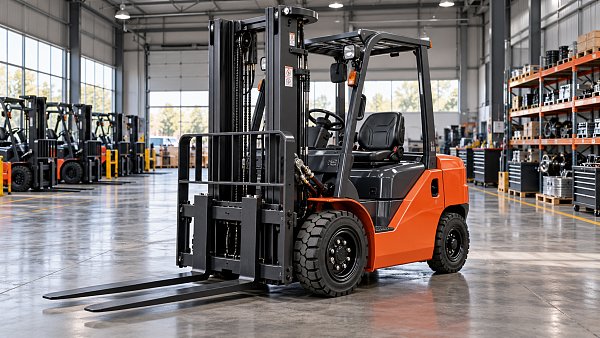
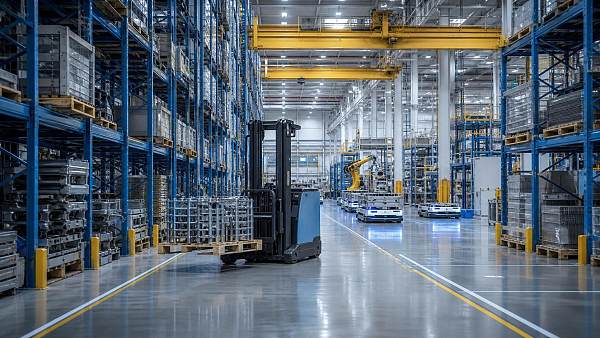
With forklifts, for example, the residual capacity at the required lift height may matter more than the rated capacity shown on the nameplate. A sideshift, fork positioner, carton clamp, or long forks can alter the load center and reduce the usable capacity. In a very narrow aisle operation, turning radius, mast visibility, battery-change arrangements, and warehouse racking tolerances may be more decisive than top travel speed. For heavy-duty forklifts working around ports, steel yards, or timber operations, cooling performance, tire selection, corrosion exposure, and operator cabin protection deserve early attention.
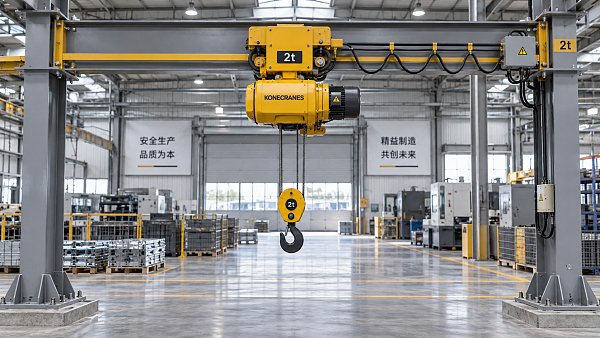
The same principle applies to lifting systems. A hoist’s rated load does not reveal whether it is suitable for frequent starts and stops, precise positioning, outdoor exposure, long travel distances, or synchronization with another hoist. Crane projects often become difficult at the interfaces: building runway conditions, power supply quality, radio control coverage, access for maintenance, and the behavior of the load during acceleration and braking.
A capable manufacturer will ask uncomfortable but useful questions before issuing a final proposal. If a supplier accepts a vague specification without probing the duty cycle or site constraints, the buyer should treat that as a warning sign rather than a sign of efficiency.
Evaluate engineering judgment and application discipline
The most reliable material handling equipment manufacturers tend to distinguish between a standard product sale and an application-engineering decision. They should be able to explain why a particular configuration is appropriate, where its operating limits sit, and what assumptions have been used in the quotation.
This does not mean every purchase needs a complex custom design. Standardized equipment is often the sensible choice when parts commonality, rental flexibility, and short delivery lead times matter. The issue is whether the manufacturer recognizes when “standard” stops being sufficient. A warehouse with high-density storage may need a different truck layout than a conventional pallet operation. A shipyard may need hoisting equipment designed around wind exposure and maintenance access. A maintenance contractor using an aerial platform around pipework or uneven ground needs more than a working-height figure.
Ask suppliers to identify the project assumptions in writing. Useful areas include load characteristics, operating environment, duty expectations, power arrangement, intended attachments, permitted gradients, floor or runway conditions, and required interfaces with automation or fleet-management systems. This creates a clearer basis for comparison and reduces the familiar dispute that appears later: “That condition was not included in the original scope.”
Safety and compliance should be examined as operating systems
Certificates and compliance statements are necessary, but they should not end the safety review. The relevant regulatory framework depends on the equipment category and the destination market. Buyers may need to consider local workplace rules, import requirements, third-party inspection expectations, and standards referenced in the project specification. OSHA-related obligations in the United States and CE-related requirements in applicable European markets are often discussed, but neither should be treated as a universal shortcut for every jurisdiction or every machine type.
The more practical question is how safety functions perform in the real operating environment. For a forklift fleet, this may involve stability behavior, visibility through the mast, speed management, warning devices, restraint systems, battery charging controls, and the quality of pre-shift inspection guidance. For cranes, it can include overload protection, upper and lower limit functions, emergency stopping, anti-collision arrangements, anti-sway controls, and safe maintenance access. In access equipment, automatic leveling, tilt alarms, emergency descent provisions, guardrail design, and ground-control accessibility all warrant review.
A supplier’s documentation package is revealing. It should be understandable to the people who will install, inspect, operate, and service the equipment—not merely sufficient for a sales file. Request manuals, wiring or hydraulic documentation where relevant, inspection schedules, parts references, and training scope early. If these documents only appear after shipment, the site team may be left resolving avoidable questions under time pressure.
Look beyond purchase price to the cost of keeping equipment available
A low acquisition price can be rational when equipment sees limited use and downtime has little operational consequence. It is much less persuasive when one unavailable reach truck delays dispatch, one failed hoist stops a production cell, or one grounded boom lift interrupts shutdown work. Lifecycle value is not a slogan; it is the practical relationship between purchase cost, energy use, planned maintenance, unplanned repairs, consumables, labor, and lost operating time.
Serviceability deserves close attention. Can technicians access common wear components without extensive disassembly? Are diagnostic tools controlled by the manufacturer, distributor, or third party? What training is available to the buyer’s maintenance team? Which spare parts are normally held in the destination region, and which may need to travel through an international supply chain? These answers can matter more than a small difference in the original quote.
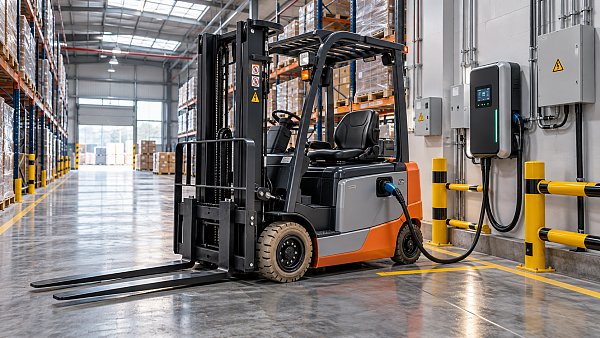
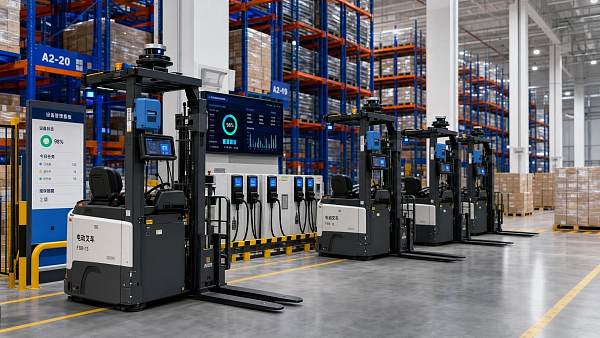
Energy systems also need a realistic assessment. Lithium-ion forklifts may reduce battery handling and can suit multi-shift operations, but the business case depends on charging windows, electrical infrastructure, fleet utilization, battery warranty terms, and the supplier’s ability to support the battery-management system. Internal combustion equipment may remain appropriate for certain outdoor or heavy-duty work, provided emissions requirements, fueling practices, ventilation, and maintenance implications are properly addressed.
Service capability is part of the equipment offer
It is easy to overvalue a manufacturer’s factory scale and undervalue its local support model. A globally recognized brand may still rely on a thin service network in a particular market. Conversely, an export-oriented supplier can be a practical choice when it has clear technical communication, disciplined spare-parts planning, and a competent local partner. Neither assumption should replace due diligence.
Buyers should ask how a service issue is handled from the first call onward. Who diagnoses the problem? What information must the operator provide? Can remote support be used? Is there a defined escalation route for a machine that has stopped a critical process? For cranes and automated systems, ask whether the supplier can support commissioning, tuning, software changes, and fault investigation after handover. Mechanical availability alone is not enough when controls and drives are central to operation.
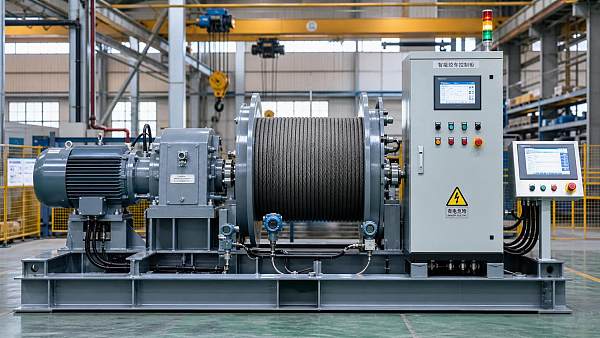
The parts discussion should be specific. Instead of asking whether spare parts are available, identify a reasonable commissioning kit and a list of critical wear or failure items for the application. Then confirm part references, expected sourcing arrangements, storage responsibilities, and whether substitutions require approval. This is especially important for imported equipment, specialized attachments, wire rope hoists, smart winches, and systems with proprietary electronic components.
Do not buy automation claims without an integration conversation
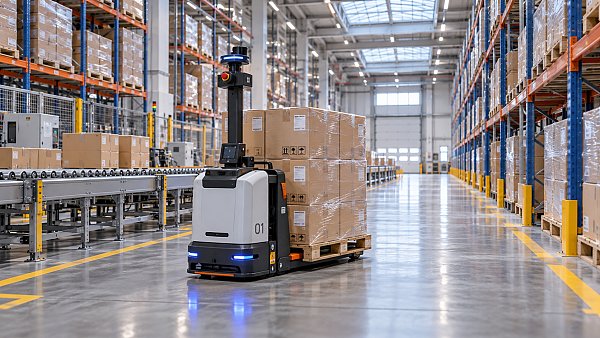
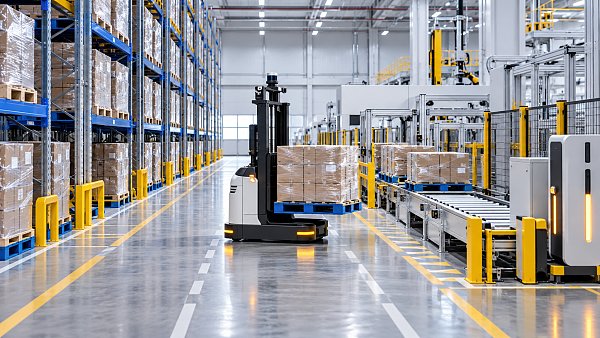
Automation readiness is now a legitimate selection factor even for sites that are not ready to deploy AGV forklifts, automated cranes, or connected fleet systems immediately. The mistake is assuming that every machine with a screen, telematics device, or sensor package is ready for meaningful digital integration.
A useful discussion covers what data is captured, who owns it, how it can be accessed, how long it is retained, and whether the equipment can communicate with the buyer’s preferred maintenance or warehouse systems. Fleet monitoring can support utilization review, impact reporting, charging management, and preventive maintenance planning, but only if the data is reliable and someone has a defined responsibility for acting on it.
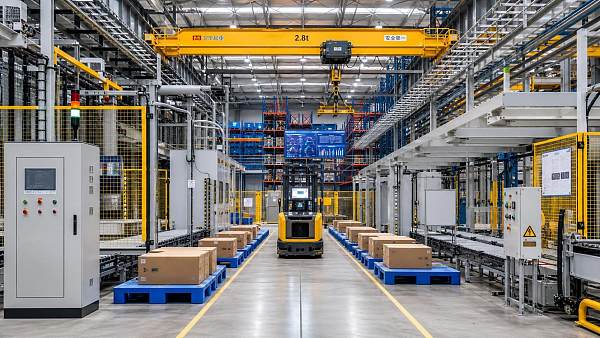
For automated lifting, the integration boundary needs to be explicit. A crane anti-sway feature, for instance, is not the same as a fully coordinated material-flow system. Buyers should clarify responsibilities for controls, sensors, guarding, network connectivity, site acceptance testing, and performance validation. If several vendors are involved, interface ownership should be settled before orders are placed, not during commissioning.
Compare manufacturers through evidence, not presentation quality
Sales literature has a role, but it rarely answers the questions that determine operational risk. A more balanced evaluation combines commercial comparison with technical review, service verification, and reference checks that are relevant to the intended application. A supplier experienced in electric counterbalance forklifts may not automatically be the right choice for a high-duty double-girder crane. A strong domestic provider may need additional scrutiny when the project involves export documentation, overseas installation, or local regulatory coordination.
When reviewing supplier information through industry sources such as Global Material Handling & Lifting Equipment, it helps to separate broad market visibility from project-specific capability. Product announcements, technology analysis, and supplier profiles can identify useful candidates and emerging options in warehouse vehicles, lifting equipment, access platforms, batteries, or connected systems. They should then be followed by direct questions about the exact configuration, support route, and documentation applicable to the project.
A practical evaluation file does not need to be complicated. It should record each supplier’s assumptions, exclusions, compliance evidence, service plan, parts commitment, delivery responsibilities, commissioning scope, warranty boundaries, and proposed acceptance process. This makes differences visible that a headline specification comparison will miss.
The right manufacturer reduces uncertainty before the order is signed
The best choice is not always the supplier with the widest range, the lowest quote, or the most advanced-looking control panel. It is the manufacturer that understands the work to be done, states limitations honestly, provides evidence that can be checked, and remains accountable after delivery.
Before awarding a contract, test the proposal against a simple operational question: if this equipment stops, behaves unexpectedly, or faces a changed workload six months after commissioning, do we know who will respond and what options we have? If that answer is vague, the risk is already present in the purchase decision—regardless of how attractive the product specifications appear.
Recommended News
 Oct 27, 2026When do industrial fleet electrification solutions pay for themselves?When do industrial fleet electrification solutions pay off? Explore charging costs, battery risks, and real operating savings to build a stronger, evidence-based investment case.
 Oct 26, 2026How much more does explosion-proof material handling equipment cost?Understand explosion-proof material handling cost, compare equipment premiums and compliance needs, and uncover smarter ways to budget without compromising safety.
 Oct 23, 2026U.S. MHEDA Releases 2027 Material Handling Business Trends ReportExplore MHEDA’s 2027 material handling business trends report: five forces and 18 trends to help distributors and warehouse buyers rethink technology, workforce needs and investment plans.
 Oct 21, 2026How much does working height affect aerial work platform prices?Compare aerial work platforms price quotes and see how working height affects costs. Discover key price drivers, avoid hidden expenses, and choose the right lift for your budget.
 Oct 21, 2026Brightstar Capital Announces Acquisition of Majority Stake in MHGBrightstar Capital acquires a majority stake in MHG to support growth in material handling equipment and aftermarket services. Explore what the deal could mean.
 Oct 16, 2026How much do industrial electric hoist systems cost fully installed?Explore industrial electric hoist systems cost, from equipment and structural work to testing. Compare installation scopes, spot hidden charges, and budget with confidence.
 Oct 01, 2026When warehouse automation solutions for manufacturing pay offWarehouse automation solutions for manufacturing: learn when automation delivers ROI through reliable material flow, lower costs, and scalable production capacity.
 Oct 10, 2026Material Handling Equipment Market: Demand Drivers for Warehouse InvestmentMaterial handling equipment market demand is rising as warehouses invest in safer, smarter, high-uptime solutions for throughput, labor, and energy challenges.
 Oct 10, 2026Evaluating Material Handling Equipment Manufacturers Beyond Product SpecificationsMaterial handling equipment manufacturers: learn how to compare application fit, safety, service support, lifecycle cost, and automation readiness beyond product specifications.
 Oct 09, 2026Buying Material Handling Equipment in the USA: Lead Times, Service, and PartsMaterial handling equipment USA buying guide: compare lead times, local service coverage, parts availability, warranties, and downtime costs to choose reliable equipment.
 Oct 05, 2026Is Automated Warehousing Worth It for a Port Spare Parts Warehouse?Is automated warehousing worth the investment for a port spare parts warehouse? Explore ROI, uptime gains, inventory control, and practical automation strategies.
 Sep 26, 2026When does a smart warehouse ASRS justify its upfront cost?Smart warehouse ASRS investment: discover when automation delivers measurable ROI through space savings, labor control, higher throughput, and resilient operations.
 Sep 20, 2026When do smart material handling systems in India justify the investment?Smart material handling systems India: learn when automation delivers ROI through safer workflows, higher throughput, lower downtime, and lifecycle cost control.
 Sep 11, 2026What drives rental equipment total cost of ownership beyond the daily rate?Rental equipment total cost of ownership goes beyond daily rates. Discover how transport, downtime, energy, labor, compliance, and off-rent control shape smarter rental decisions.
 Sep 02, 2026What determines warehouse stacking systems price for a new warehouse?Warehouse stacking systems price depends on density, loads, aisle design, forklifts, installation, safety, and lifecycle costs. Compare smarter for your new warehouse.
 Aug 26, 2026What drives ASRS integration pricing in warehouse automation projectsASRS integration pricing depends on software scope, site conditions, throughput goals, and risk allocation—not just equipment. Learn what really drives costs and compare bids with confidence.
 Aug 25, 2026When does renting logistics equipment in India cost less than buying?Logistics equipment India: Learn when renting costs less than buying by comparing utilization, maintenance, downtime, cash flow, and project flexibility for smarter decisions.
 Aug 19, 2026When does AGV warehouse systems integration pay off in existing facilities?AGV warehouse systems integration pays off when repetitive pallet moves, labor shortages, and safety costs hurt performance. Learn when retrofitting existing facilities delivers ROI.
 Aug 16, 2026What drives logistics equipment price in warehouse projects?Logistics equipment price in warehouse projects depends on capacity, power, safety, and automation—learn what really drives cost and make smarter buying decisions.
 Aug 03, 2026Scissor Lifts Price Breakdown: What Changes Cost by Height, Power, and Duty CycleScissor lifts price explained by height, power source, platform capacity, and duty cycle. Learn what really changes cost and compare quotes with confidence before you buy.
 Jul 30, 2026How Forklift Fleet Technology Cuts Downtime and Lowers Total CostForklift fleet technology helps reduce downtime, improve utilization, and lower total cost with smarter maintenance, battery control, and fleet visibility. Learn what buyers should evaluate.
 Jul 27, 2026Smart Winch Systems Cost: What Drives Total Price in 2026?Smart winch systems cost in 2026 depends on more than unit price. Explore key drivers like controls, safety, installation, and lifecycle support to budget smarter.
 Jul 21, 2026Industrial Automation Integration: Cost Drivers and ROI BenchmarksIndustrial automation integration costs are shaped by controls, software, retrofits, and downtime. Explore key ROI benchmarks, payback ranges, and practical ways to evaluate project value.
 Jul 18, 2026Material Handling Market Growth: Key Cost and Demand Signals for 2026Material handling market growth in 2026 is driven by labor costs, electrification, automation, and safety compliance. Discover key demand signals shaping smarter equipment investments.