Search News
Industry Portal
Popular Tags
What drives logistics equipment price in warehouse projects?
Author
Time
Click Count
In many warehouse projects, the first price a buyer sees is only the start of the conversation. A forklift quote may look acceptable on paper, but once the project moves into layout planning, aisle width checks, battery choice, charging strategy, or safety requirements, the total logistics equipment price can change quickly. That is usually when procurement teams feel the pressure: the budget was approved around one number, while the real buying decision depends on several linked choices.
If you are dealing with a new warehouse fit-out, a replacement fleet, or a mixed equipment package, the difficult part is not finding a price. The difficult part is understanding what the quote includes, what it leaves out, and which choices will affect uptime, maintenance, and operating cost after the equipment arrives.
When a quote looks simple, the project usually is not
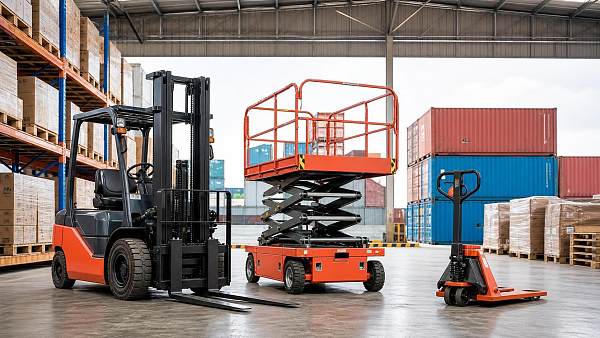
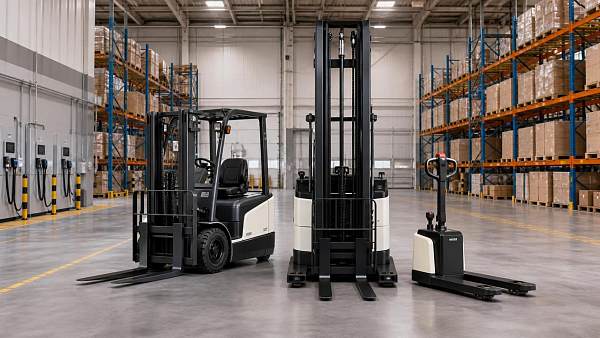
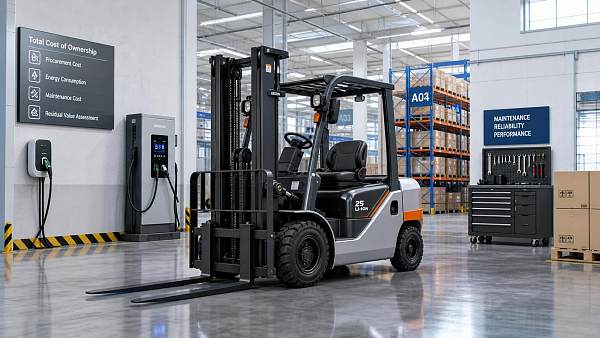
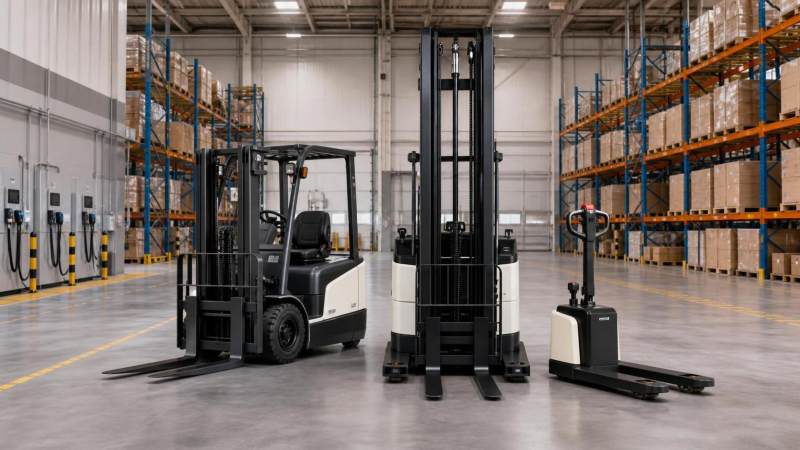
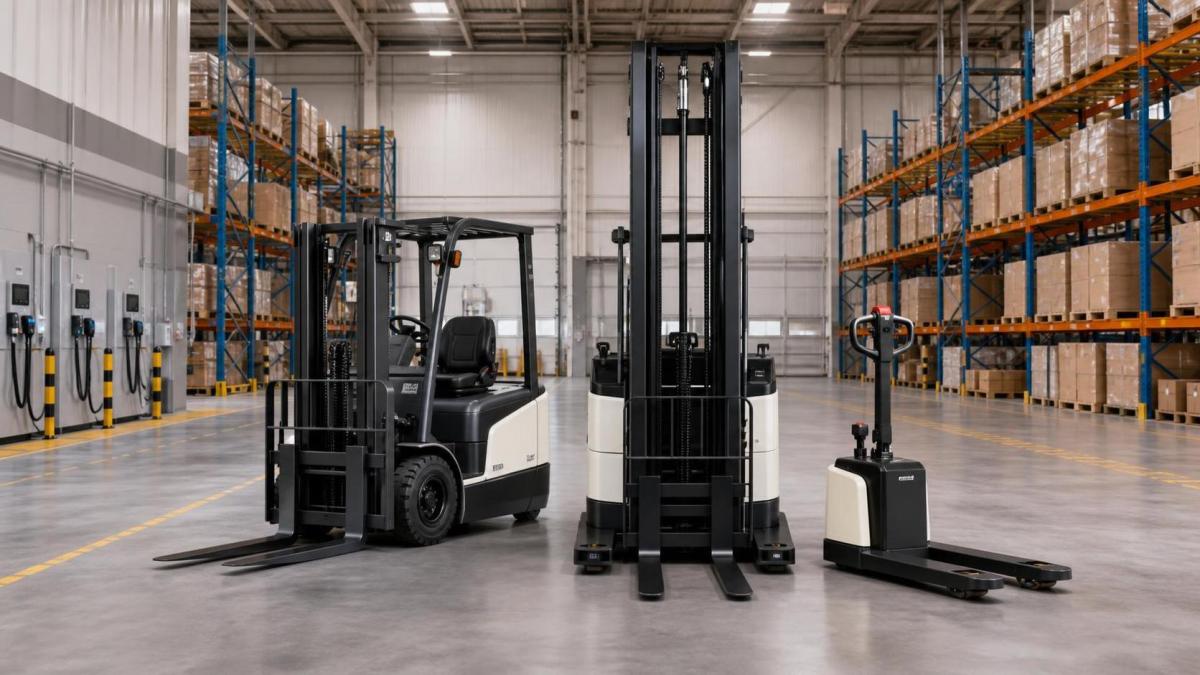
Warehouse equipment pricing often feels confusing because two machines that seem similar can be priced very differently. A basic electric counterbalance forklift, for example, may look comparable to another unit with the same load rating, but the battery system, mast configuration, controller package, tire type, or operator safety options can shift the cost. The same is true for reach trucks, stackers, and VNA warehouse vehicles: the closer the equipment is tied to a specific storage layout, the more the project price depends on application detail rather than the headline model name.
That is why buyers sometimes get stuck comparing quotes line by line without knowing which line matters most. A low upfront number may exclude delivery, commissioning, spare parts, or training. Another offer may be higher because it includes features that reduce downtime later. For procurement, the real task is to separate purchase price from project cost.
The main factors behind logistics equipment price
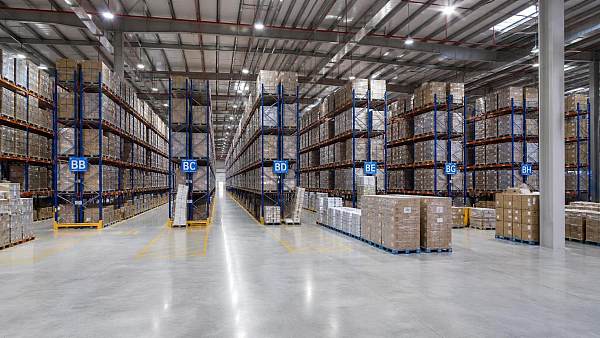
The first driver is load capacity. A machine built for lighter pallet handling is usually priced differently from one intended for heavier, more demanding cycles. But capacity alone does not tell the full story. Lift height, mast design, turning radius, and stability requirements all influence the final configuration, especially in narrow aisles or high-bay storage.
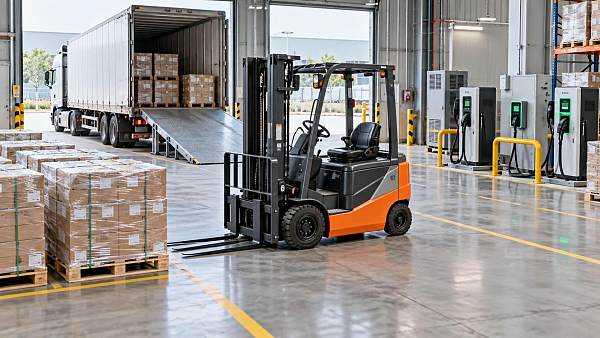
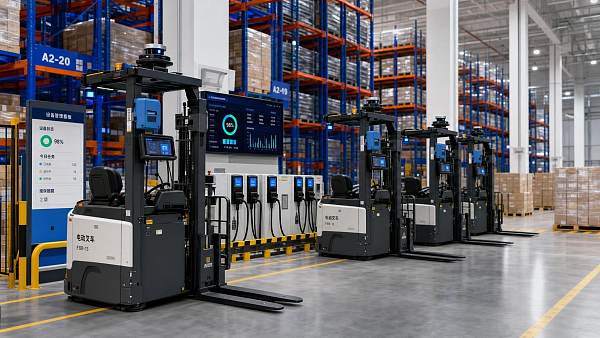
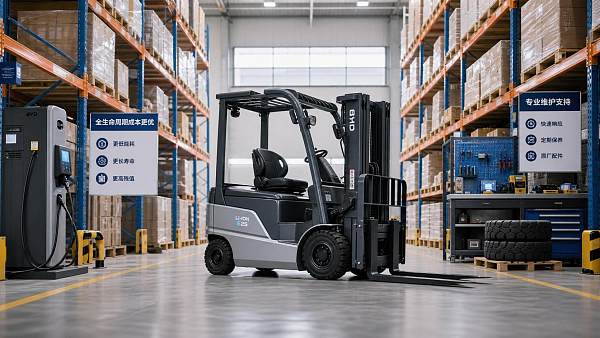
Power source is another major factor. Electric models, especially those using lithium-ion battery systems, often involve a different cost structure from internal combustion units. The equipment may cost more at the beginning, but the charging routine, maintenance needs, and indoor operating suitability can make a strong case in a warehouse setting. If the project involves multi-shift work or frequent opportunity charging, the battery and charger package should be reviewed as part of the equipment price, not as an afterthought.
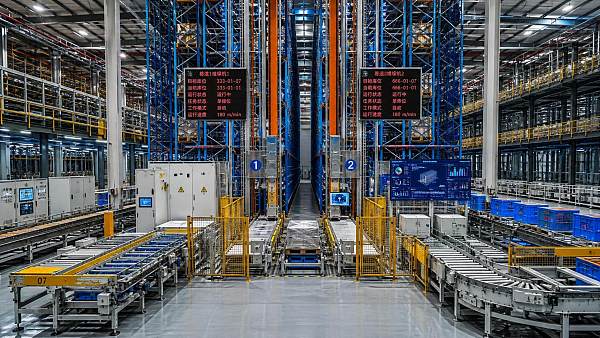
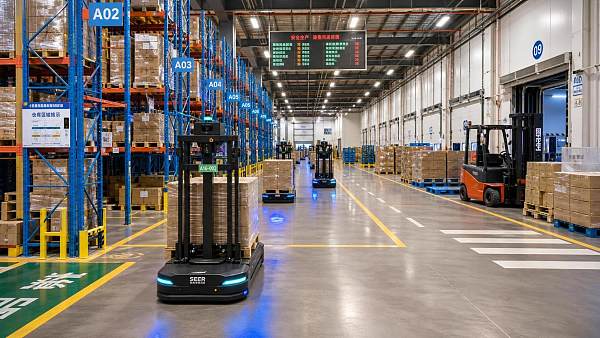
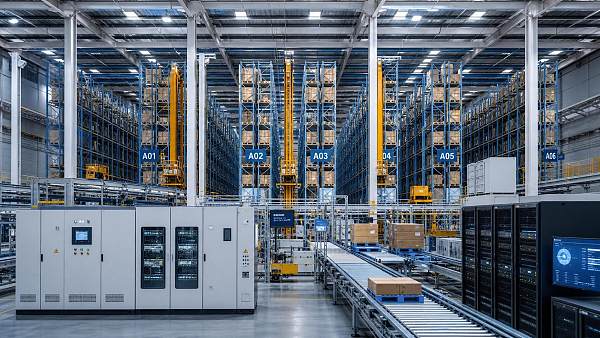
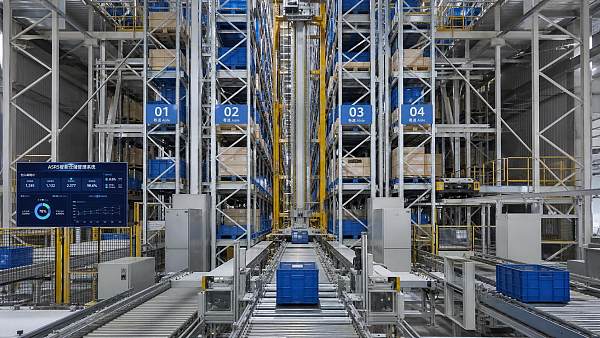
Automation level also changes the picture. Once AGV forklifts, automated cranes, or IoT fleet monitoring are added, you are no longer pricing only a vehicle or lifting device. You are pricing sensors, software integration, control logic, and the support needed to keep the system stable inside the warehouse workflow. This is where many buyers underestimate the project cost because the equipment hardware appears only as one part of the total system.
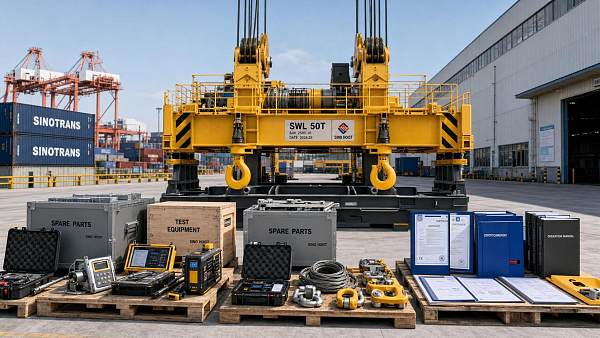
Safety and compliance features matter too. Overload protection, anti-rollover functions, anti-sway systems, emergency stop design, and inspection-ready documentation may increase the quote, but they also reduce risk in daily use. In procurement terms, these are not “extras” if the warehouse environment needs them to operate safely.
Where buyers often misread the numbers
One common mistake is focusing only on unit price and ignoring the full operating environment. A warehouse with tight aisles, frequent travel, and high stacking demand may need equipment with more precise handling and better visibility. That changes the spec, which changes the cost. Another common issue is comparing equipment from different suppliers without checking whether the scope is the same. One quote may include only the base unit, while another includes installation support, operator handover, or a maintenance package.
There is also the hidden cost of under-specifying. Choosing a lower-priced machine that is not well matched to the layout can create slow picking, more battery swaps, higher wear, or repeated safety interventions. In that case, the lower logistics equipment price can become the more expensive choice over time.
A practical way to evaluate a warehouse equipment purchase
Start with the task, not the catalog. Define what the equipment must do in the warehouse: pallet movement, racking height, narrow-aisle operation, dock support, heavy lifting, or automation integration. Then match that task to the equipment type. This helps prevent overbuying features that will not be used and underbuying functions that will be needed on day one.
Next, compare quotes using the same scope. Ask whether the offer includes battery, charger, delivery, setup, operator instruction, and any required safety accessories. If the project includes crane or hoist systems, check whether the price covers structural interface work, control systems, and commissioning support. For fleet buyers, ask whether IoT monitoring or maintenance tools are included, or whether they are separate line items.
Then review lifecycle cost. This does not require complex modeling. It simply means asking how often the equipment will stop, how hard it is to maintain, how accessible the parts are, and how the energy system will fit the shift pattern. In many warehouse projects, the cheapest quote is not the cheapest equipment to operate.
Questions that help separate a real price from a weak quote
Before approving a purchase, procurement teams usually benefit from a few direct questions:
Does the price include everything needed for immediate use?
Is the equipment suitable for the actual warehouse layout and duty cycle?
Which options affect safety, uptime, and maintenance the most?
Are spare parts, service support, and training available in a practical way?
What changes if the warehouse expands, the rack height increases, or the shift pattern becomes more intensive?
These questions are useful because they move the discussion away from bargaining over the sticker number and toward total fit. That is where informed purchasing decisions are usually made.
When to ask for more technical input
Some projects are straightforward. Others need help from engineering, operations, or the supplier’s technical team. If the warehouse involves high stacking, mixed loads, automation, special safety requirements, or limited floor space, it is worth confirming the spec before comparing prices again. The same applies when the project combines several categories, such as forklifts, hoists, and handling systems, because the interface between them can affect both the quote and the long-term operating cost.
In practice, the better procurement habit is simple: do not ask only “How much does it cost?” Ask “What is included, what will it need to do, and what will it cost to keep it working in this warehouse?” That question usually leads to a better buying decision than chasing the lowest logistics equipment price on the page.
Recommended News
 Sep 11, 2026What drives rental equipment total cost of ownership beyond the daily rate?Rental equipment total cost of ownership goes beyond daily rates. Discover how transport, downtime, energy, labor, compliance, and off-rent control shape smarter rental decisions.
 Sep 02, 2026What determines warehouse stacking systems price for a new warehouse?Warehouse stacking systems price depends on density, loads, aisle design, forklifts, installation, safety, and lifecycle costs. Compare smarter for your new warehouse.
 Aug 26, 2026What drives ASRS integration pricing in warehouse automation projectsASRS integration pricing depends on software scope, site conditions, throughput goals, and risk allocation—not just equipment. Learn what really drives costs and compare bids with confidence.
 Aug 25, 2026When does renting logistics equipment in India cost less than buying?Logistics equipment India: Learn when renting costs less than buying by comparing utilization, maintenance, downtime, cash flow, and project flexibility for smarter decisions.
 Aug 19, 2026When does AGV warehouse systems integration pay off in existing facilities?AGV warehouse systems integration pays off when repetitive pallet moves, labor shortages, and safety costs hurt performance. Learn when retrofitting existing facilities delivers ROI.
 Aug 16, 2026What drives logistics equipment price in warehouse projects?Logistics equipment price in warehouse projects depends on capacity, power, safety, and automation—learn what really drives cost and make smarter buying decisions.
 Aug 03, 2026Scissor Lifts Price Breakdown: What Changes Cost by Height, Power, and Duty CycleScissor lifts price explained by height, power source, platform capacity, and duty cycle. Learn what really changes cost and compare quotes with confidence before you buy.
 Jul 30, 2026How Forklift Fleet Technology Cuts Downtime and Lowers Total CostForklift fleet technology helps reduce downtime, improve utilization, and lower total cost with smarter maintenance, battery control, and fleet visibility. Learn what buyers should evaluate.
 Jul 27, 2026Smart Winch Systems Cost: What Drives Total Price in 2026?Smart winch systems cost in 2026 depends on more than unit price. Explore key drivers like controls, safety, installation, and lifecycle support to budget smarter.
 Jul 21, 2026Industrial Automation Integration: Cost Drivers and ROI BenchmarksIndustrial automation integration costs are shaped by controls, software, retrofits, and downtime. Explore key ROI benchmarks, payback ranges, and practical ways to evaluate project value.
 Jul 18, 2026Material Handling Market Growth: Key Cost and Demand Signals for 2026Material handling market growth in 2026 is driven by labor costs, electrification, automation, and safety compliance. Discover key demand signals shaping smarter equipment investments.
 Jul 17, 2026Warehouse Automation Solutions with IoT: Costs, ROI, and Key Integration RisksWarehouse automation solutions with IoT: explore real costs, ROI timelines, and key integration risks to cut downtime, improve visibility, and choose the right system with confidence.
 Jul 15, 2026Heavy Lifting Equipment Price: What Drives Total Cost in 2026Heavy lifting equipment price in 2026 depends on more than the purchase quote. Learn the hidden cost drivers, lifecycle risks, and smart ways to compare offers before you buy.
 Jul 13, 2026Lifting Equipment Maintenance Cost: Budget Risks to WatchLifting equipment maintenance cost can quietly derail budgets. Learn the hidden risks, downtime drivers, and smart ways to control spend before the next budget cycle.
 Jul 13, 2026Heavy Load Positioning Systems Price: What Drives Total Cost?Heavy load positioning systems price depends on more than equipment cost. Learn the key drivers, hidden expenses, and how to compare quotes for safer, smarter investment decisions.
 Jul 11, 2026What to Check Before Choosing an Unmanned Material Handling CompanyUnmanned material handling company selection starts with the right checks. Learn how to evaluate safety, integration, service, and ROI before you choose a supplier.
 Jul 09, 2026Automated Warehousing Supplier Checklist: Integration, Uptime, and Expansion CostsAutomated warehousing supplier checklist covering integration, uptime, and expansion costs. Learn how to compare vendors, reduce risk, and protect long-term ROI.
 Jul 09, 2026How to Evaluate a Heavy Lifting Equipment Supplier for Long-Term Project RiskHeavy lifting equipment supplier evaluation starts with risk, not price. Learn how to assess safety, service, compliance, and long-term project reliability before you buy.
 Jul 08, 2026Lifting Equipment for Construction: What to Compare Before You Rent or BuyLifting equipment for construction: compare load capacity, site conditions, compliance, uptime, and total cost before you rent or buy to reduce risk and improve project ROI.
 Jul 07, 2026Forklift Lifecycle ROI: Cost Drivers That Change Long-Term OwnershipForklift lifecycle ROI starts beyond the purchase price. Discover how battery strategy, maintenance, downtime, safety, and resale value shape smarter long-term ownership decisions.
![]() Jul 06, 2026Port Material Handling Operations: Where Delays and Costs Usually StartPort material handling operations often lose time and money before cargo even moves. Discover where delays begin, what drives hidden costs, and how smarter equipment choices improve throughput.
Jul 06, 2026Port Material Handling Operations: Where Delays and Costs Usually StartPort material handling operations often lose time and money before cargo even moves. Discover where delays begin, what drives hidden costs, and how smarter equipment choices improve throughput. Jul 05, 2026Industrial Forklifts Cost Breakdown: Purchase, Energy, Maintenance, and ResaleIndustrial forklifts cost goes beyond the sticker price. Compare purchase, energy, maintenance, downtime, and resale value to choose the most cost-effective forklift.
 Jul 02, 2026How to Evaluate a Construction Access Equipment Manufacturer in 2026Construction access equipment manufacturer selection in 2026 goes beyond specs. Learn how to compare safety, compliance, service, telematics, and lifecycle cost for smarter buying decisions.
 Jul 01, 2026Automated Storage and Retrieval Systems Cost BreakdownAutomated storage and retrieval systems cost explained clearly: compare cost drivers, hidden expenses, ROI factors, and system price ranges before approving your warehouse automation budget.