Search News
Industry Portal
Popular Tags
What drives ASRS integration pricing in warehouse automation projects
Author
Time
Click Count
ASRS integration pricing is rarely driven by the storage equipment alone. For procurement teams, the bigger issue is that two proposals can appear similar on the surface while hiding very different assumptions about software scope, site preparation, commissioning responsibility, performance guarantees, and post-go-live support. That is why automated storage and retrieval system budgets often move more than expected between vendors, even when the same warehouse is being discussed.
The practical question is not simply, “How much does an ASRS cost?” It is, “What is included in the integration price, what is excluded, and which cost drivers are most likely to change during execution?” In warehouse automation projects, this distinction matters because integration is where technical ambition, facility reality, and supplier capability meet. It is also where overruns often begin.
For buyers evaluating ASRS integration pricing, the most useful approach is to separate hardware price from project delivery risk. A lower equipment quotation can still lead to a more expensive project if the integration scope is incomplete, the software layer is underestimated, or the warehouse itself needs more adaptation than initially assumed.
System architecture affects price more than rack count alone
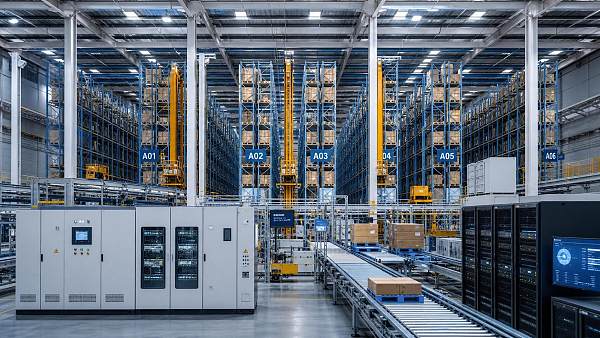
Many buyers begin with storage density and pallet positions, but integration cost is more sensitive to architecture than to raw capacity. A shuttle-based system, crane-based unit-load ASRS, mini-load system, cube storage solution, or hybrid manual-automated design each creates a different integration burden.
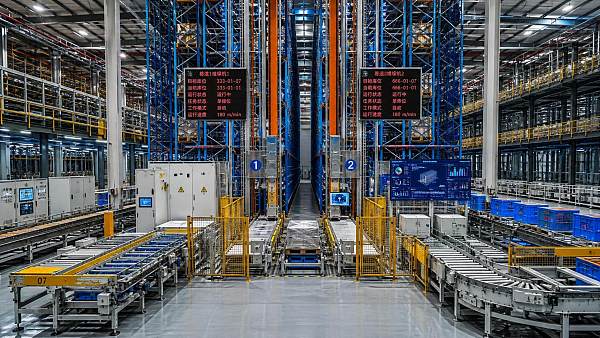
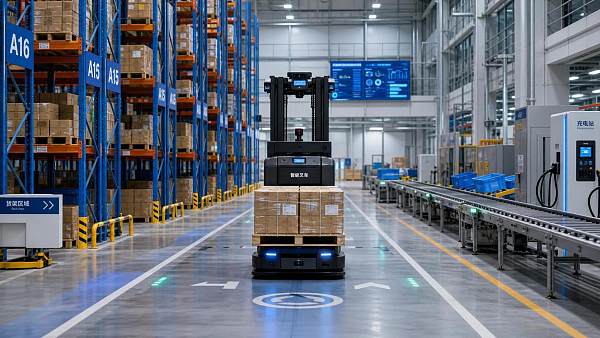
What changes the budget is not only the machinery type, but how many subsystems must work together in real time. In a straightforward project, pallets enter through defined infeed points, are dimension-checked, assigned a location, and retrieved through a limited number of outbound rules. In a more demanding project, the ASRS may need to coordinate with conveyors, sortation, palletizers, AGVs, AMRs, stretch wrappers, WMS, ERP, fire safety logic, battery charging zones, and manual exception handling stations.
Every additional interface adds engineering effort, controls logic, testing, and future troubleshooting responsibility. This is one of the main reasons ASRS integration pricing can diverge sharply across projects that look similar in storage volume.
Software scope is often underestimated in early procurement discussions
Procurement teams often receive more detailed hardware descriptions than software descriptions, even though software is one of the strongest pricing drivers. A project that only requires PLC-level equipment control is very different from one needing warehouse control software, warehouse execution logic, API integration with ERP or WMS platforms, real-time inventory visibility, traceability, priority management, and dashboard reporting.
Three questions usually expose the real software cost:
- Is the supplier delivering only machine controls, or also the warehouse control and orchestration layer?
- How many host system integrations are required, and who owns interface development?
- Who is responsible for simulation, emulation, testing, exception logic, and software modifications after FAT/SAT?
A low initial quotation may assume standard interfaces only, while the buyer expects customized business logic. That gap becomes expensive later. It is especially common in brownfield warehouses where legacy WMS or ERP systems are not ready to exchange data in clean, modern formats.
If one proposal includes interface mapping, error handling, test scripts, data migration support, and cybersecurity hardening, while another treats these as change-order items, the prices should not be compared at face value.
Throughput targets can raise integration cost faster than storage capacity
In procurement reviews, storage capacity is easy to quantify. Throughput is where pricing becomes more sensitive. A warehouse that stores 20,000 pallets with moderate daily movement is not equivalent to one that handles aggressive wave peaks, strict shipping cutoffs, or high-SKU variability.
Higher throughput requirements affect:
- system redundancy;
- buffer design;
- number of infeed and outfeed lanes;
- conveyor speeds;
- controls sophistication;
- traffic coordination with upstream and downstream equipment;
- recovery logic during faults.
This is where procurement should watch for a common mistake: comparing a proposal built to average throughput against one built to peak throughput. The lower-priced offer may not actually support the operating profile the site needs.
Performance guarantees also matter. If a supplier is contractually committing to a defined pallets-per-hour rate, system availability target, or order cut-off performance, the integration price will usually reflect the cost of engineering, validation, and risk absorption.
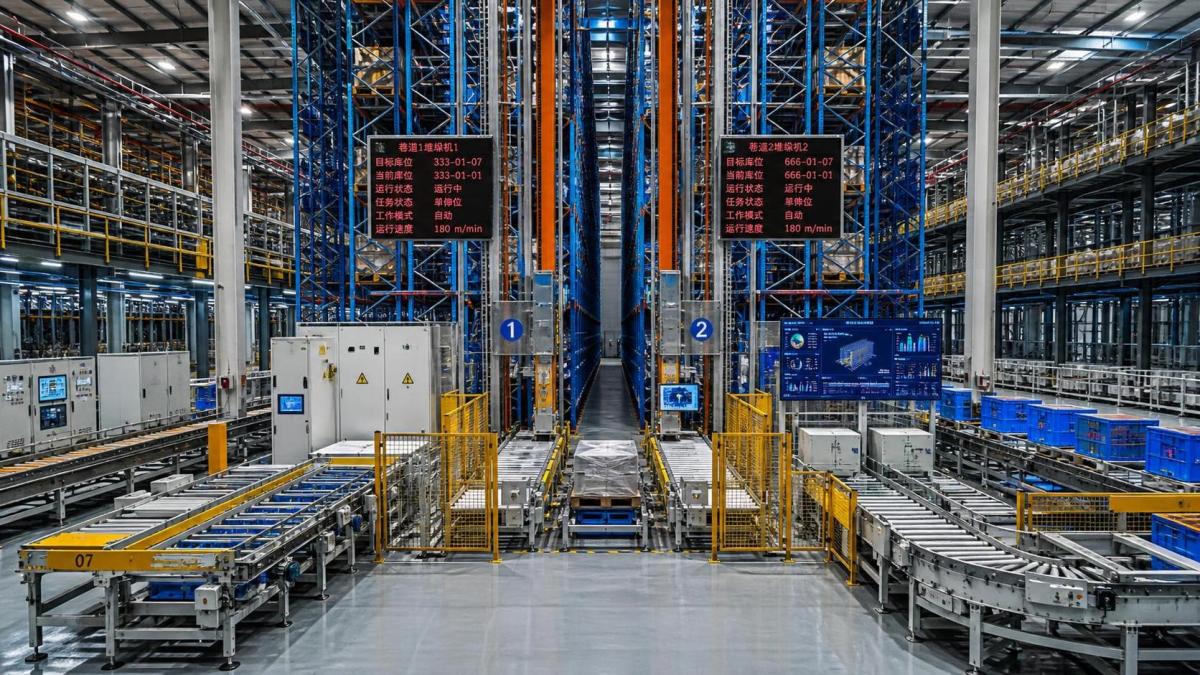
Brownfield projects usually cost more to integrate than greenfield projects
Site condition is one of the most persistent hidden cost factors in warehouse automation. In a greenfield facility, the layout, floor loading, column spacing, clear height, utilities, and network infrastructure can be planned around the ASRS. In a brownfield environment, the system must adapt to what already exists.
That adaptation can involve:
- demolition or relocation of existing racking and services;
- floor remediation and leveling;
- reinforcement for rack-supported structures or dynamic loads;
- modification of sprinklers or fire protection systems;
- changes to egress routes and safety fencing;
- integration with old conveyors or manual workstations;
- restricted installation windows to avoid disrupting ongoing operations.
Brownfield sites also generate more unknowns. Procurement teams should expect more provisional sums, exclusions, and qualification notes in such proposals. That does not automatically make the supplier less competitive; it may simply mean the supplier has priced the risk more realistically.
Civil, structural, and MEP scope can sit outside the headline automation price
One reason ASRS integration pricing is difficult to benchmark is that vendors package non-automation work differently. One supplier may include only automation equipment and controls, while another includes electrical distribution, cable trays, compressed air points, mezzanine interfaces, network cabinets, and supervision of third-party installation.
Structural and building-related items are particularly important. Rack-supported ASRS buildings, seismic requirements, slab tolerance, roof interfaces, and fire compliance can all have major budget impact. Applicable local code requirements vary by country and project type, and buyers should verify them with local engineering and compliance specialists rather than relying on generic vendor statements.
When comparing bids, procurement should normalize the following items line by line:
- civil works and slab upgrades;
- structural steel and platform modifications;
- electrical power distribution;
- network and industrial communication infrastructure;
- fire detection and suppression modifications;
- site acceptance testing support;
- operator training and maintenance training.
Without this normalization, a lower integration price may simply mean the project scope has been exported to the buyer or to separate contractors.
The definition of “integration” changes from supplier to supplier
Procurement teams should be cautious with the term itself. In some quotations, integration means controls programming and startup of the automation line. In others, it includes end-to-end project management, software interfaces, third-party coordination, commissioning, ramp-up support, and operational stabilization.
This is why commercial comparison should start with scope ownership, not unit pricing. A strong procurement review asks:
- Who is the prime contractor?
- Who is responsible for third-party equipment compatibility?
- Who owns interface failures between WMS, WCS, PLCs, and field devices?
- Who manages change control during installation?
- Who is accountable if throughput is not achieved after go-live?
If these responsibilities are fragmented, the buyer may save on initial contract value but accept a higher execution risk. For multinational procurement teams, this issue is even more important when equipment is sourced from one country, software from another, and installation is managed locally.
Customization raises cost, but so does excessive standardization in the wrong place
There is a frequent assumption that standardized solutions always reduce total project cost. In practice, they reduce cost only when the operating process genuinely fits the standard template. If the warehouse has unusual pallet profiles, mixed load handling, temperature-controlled zones, batch traceability requirements, dangerous goods handling, or highly irregular order patterns, forcing a standard model can shift costs downstream into rework, manual intervention, and lower usable throughput.
That said, heavy customization should also be treated carefully. Bespoke software logic, special load handling devices, non-standard interfaces, or customer-specific reporting tools all increase engineering effort and future support complexity.
The best procurement decision usually sits between these extremes: standardize where process variance adds little value, and customize only where the business case is clear.
Testing, commissioning, and ramp-up support are major commercial variables
Some of the most expensive surprises appear after equipment arrives on site. Factory acceptance testing, site acceptance testing, dry runs, integrated runs, operator training, hypercare support, and performance tuning can take longer than planned, especially when software interfaces are immature or site data quality is poor.
Buyers should check whether the quoted integration pricing includes:
- defined FAT and SAT protocols;
- simulation or emulation before site deployment;
- resident engineers during ramp-up;
- production support after handover;
- spare parts packages and maintenance tools;
- remote monitoring capability;
- response times for software or controls issues.
These items directly affect launch risk. A proposal that appears more expensive may actually be cheaper in business terms if it shortens stabilization time and reduces disruption to customer service levels.
Geography, labor market, and compliance requirements also influence pricing
Installation cost is highly location-dependent. Local labor rates, union rules, contractor availability, import duties, inland transport, permitting timelines, and travel requirements for specialist engineers all influence the final integration budget. Projects in ports, pharmaceuticals, food, cold chain, and other regulated environments can also require additional documentation, validation, or hygiene-related design measures.
Buyers should avoid assuming that a reference project in one country can be used as a direct pricing benchmark for another. Even when the system design is similar, the installed cost profile may not be.
What procurement teams should compare before negotiating price
In ASRS projects, negotiation is most effective after technical and commercial assumptions are aligned. If not, price reductions often come from scope removal rather than real efficiency.
A more reliable comparison framework includes:
- functional scope included and excluded;
- throughput basis and design assumptions;
- software layers and interface ownership;
- site readiness assumptions;
- acceptance criteria and performance guarantees;
- change-order rules;
- warranty, support, and service response terms;
- implementation schedule and liquidated damages structure where applicable.
This helps procurement identify whether a low quote is truly competitive or simply incomplete. It also improves internal alignment with operations, engineering, IT, and finance, all of whom will feel the impact of a poorly scoped integration contract.
The real pricing question is risk allocation
At a practical level, ASRS integration pricing is a reflection of risk allocation. The supplier prices the complexity it can see, the uncertainty it expects, and the responsibilities it is willing to own. The buyer pays not just for equipment and engineering hours, but for interface certainty, execution discipline, and operational outcomes.
For procurement teams, the best decision is rarely the lowest number on the bid sheet. It is the proposal that makes scope boundaries clear, exposes assumptions early, and reduces the probability of expensive surprises after the purchase order is placed. In warehouse automation, disciplined comparison of integration scope is usually worth more than aggressive last-round price pressure.
That is the real driver behind wide variation in ASRS integration pricing: not only what system is being bought, but how much project uncertainty is being transferred, retained, or ignored.
Recommended News
 Sep 11, 2026What drives rental equipment total cost of ownership beyond the daily rate?Rental equipment total cost of ownership goes beyond daily rates. Discover how transport, downtime, energy, labor, compliance, and off-rent control shape smarter rental decisions.
 Sep 02, 2026What determines warehouse stacking systems price for a new warehouse?Warehouse stacking systems price depends on density, loads, aisle design, forklifts, installation, safety, and lifecycle costs. Compare smarter for your new warehouse.
 Aug 26, 2026What drives ASRS integration pricing in warehouse automation projectsASRS integration pricing depends on software scope, site conditions, throughput goals, and risk allocation—not just equipment. Learn what really drives costs and compare bids with confidence.
 Aug 25, 2026When does renting logistics equipment in India cost less than buying?Logistics equipment India: Learn when renting costs less than buying by comparing utilization, maintenance, downtime, cash flow, and project flexibility for smarter decisions.
 Aug 19, 2026When does AGV warehouse systems integration pay off in existing facilities?AGV warehouse systems integration pays off when repetitive pallet moves, labor shortages, and safety costs hurt performance. Learn when retrofitting existing facilities delivers ROI.
 Aug 16, 2026What drives logistics equipment price in warehouse projects?Logistics equipment price in warehouse projects depends on capacity, power, safety, and automation—learn what really drives cost and make smarter buying decisions.
 Aug 03, 2026Scissor Lifts Price Breakdown: What Changes Cost by Height, Power, and Duty CycleScissor lifts price explained by height, power source, platform capacity, and duty cycle. Learn what really changes cost and compare quotes with confidence before you buy.
 Jul 30, 2026How Forklift Fleet Technology Cuts Downtime and Lowers Total CostForklift fleet technology helps reduce downtime, improve utilization, and lower total cost with smarter maintenance, battery control, and fleet visibility. Learn what buyers should evaluate.
 Jul 27, 2026Smart Winch Systems Cost: What Drives Total Price in 2026?Smart winch systems cost in 2026 depends on more than unit price. Explore key drivers like controls, safety, installation, and lifecycle support to budget smarter.
 Jul 21, 2026Industrial Automation Integration: Cost Drivers and ROI BenchmarksIndustrial automation integration costs are shaped by controls, software, retrofits, and downtime. Explore key ROI benchmarks, payback ranges, and practical ways to evaluate project value.
 Jul 18, 2026Material Handling Market Growth: Key Cost and Demand Signals for 2026Material handling market growth in 2026 is driven by labor costs, electrification, automation, and safety compliance. Discover key demand signals shaping smarter equipment investments.
 Jul 17, 2026Warehouse Automation Solutions with IoT: Costs, ROI, and Key Integration RisksWarehouse automation solutions with IoT: explore real costs, ROI timelines, and key integration risks to cut downtime, improve visibility, and choose the right system with confidence.
 Jul 15, 2026Heavy Lifting Equipment Price: What Drives Total Cost in 2026Heavy lifting equipment price in 2026 depends on more than the purchase quote. Learn the hidden cost drivers, lifecycle risks, and smart ways to compare offers before you buy.
 Jul 13, 2026Lifting Equipment Maintenance Cost: Budget Risks to WatchLifting equipment maintenance cost can quietly derail budgets. Learn the hidden risks, downtime drivers, and smart ways to control spend before the next budget cycle.
 Jul 13, 2026Heavy Load Positioning Systems Price: What Drives Total Cost?Heavy load positioning systems price depends on more than equipment cost. Learn the key drivers, hidden expenses, and how to compare quotes for safer, smarter investment decisions.
 Jul 11, 2026What to Check Before Choosing an Unmanned Material Handling CompanyUnmanned material handling company selection starts with the right checks. Learn how to evaluate safety, integration, service, and ROI before you choose a supplier.
 Jul 09, 2026Automated Warehousing Supplier Checklist: Integration, Uptime, and Expansion CostsAutomated warehousing supplier checklist covering integration, uptime, and expansion costs. Learn how to compare vendors, reduce risk, and protect long-term ROI.
 Jul 09, 2026How to Evaluate a Heavy Lifting Equipment Supplier for Long-Term Project RiskHeavy lifting equipment supplier evaluation starts with risk, not price. Learn how to assess safety, service, compliance, and long-term project reliability before you buy.
 Jul 08, 2026Lifting Equipment for Construction: What to Compare Before You Rent or BuyLifting equipment for construction: compare load capacity, site conditions, compliance, uptime, and total cost before you rent or buy to reduce risk and improve project ROI.
 Jul 07, 2026Forklift Lifecycle ROI: Cost Drivers That Change Long-Term OwnershipForklift lifecycle ROI starts beyond the purchase price. Discover how battery strategy, maintenance, downtime, safety, and resale value shape smarter long-term ownership decisions.
![]() Jul 06, 2026Port Material Handling Operations: Where Delays and Costs Usually StartPort material handling operations often lose time and money before cargo even moves. Discover where delays begin, what drives hidden costs, and how smarter equipment choices improve throughput.
Jul 06, 2026Port Material Handling Operations: Where Delays and Costs Usually StartPort material handling operations often lose time and money before cargo even moves. Discover where delays begin, what drives hidden costs, and how smarter equipment choices improve throughput. Jul 05, 2026Industrial Forklifts Cost Breakdown: Purchase, Energy, Maintenance, and ResaleIndustrial forklifts cost goes beyond the sticker price. Compare purchase, energy, maintenance, downtime, and resale value to choose the most cost-effective forklift.
 Jul 02, 2026How to Evaluate a Construction Access Equipment Manufacturer in 2026Construction access equipment manufacturer selection in 2026 goes beyond specs. Learn how to compare safety, compliance, service, telematics, and lifecycle cost for smarter buying decisions.
 Jul 01, 2026Automated Storage and Retrieval Systems Cost BreakdownAutomated storage and retrieval systems cost explained clearly: compare cost drivers, hidden expenses, ROI factors, and system price ranges before approving your warehouse automation budget.