Search News
Industry Portal
Popular Tags
When warehouse automation solutions for manufacturing pay off
Author
Time
Click Count
Warehouse automation pays off in manufacturing when it removes a constraint that is already costing the business money: delayed line replenishment, excessive travel time, unreliable inventory records, recurring handling damage, or an inability to add output without adding proportional labor. It rarely pays off simply because a facility has high pallet volumes or because autonomous equipment looks more advanced than conventional trucks.
For decision-makers evaluating warehouse automation solutions for manufacturing, the central question is not whether automation can improve an individual task. Most systems can. The harder question is whether the improvement survives real operating conditions: variable production schedules, changing SKU mixes, urgent material calls, constrained aisle layouts, downtime windows, and the handoffs between warehouse staff, production planners, maintenance teams, and IT.
A credible investment case begins with a measurable bottleneck and ends with a defined operating model. Between those points sit data quality, process discipline, site engineering, equipment availability, safety rules, and implementation risk. If any of those elements are treated as secondary, a technically capable system can become an expensive workaround for an unresolved process problem.
Automation pays when material flow is predictable enough to engineer
Manufacturing warehouses are often more difficult to automate than distribution centers because demand is tied to production activity rather than order release alone. A line may consume components at a steady rate for several hours, then require an urgent changeover. Raw materials, returnable containers, work-in-progress, finished goods, tooling, and quality-hold inventory may share the same travel routes. The right automation model depends on which part of that flow is stable.
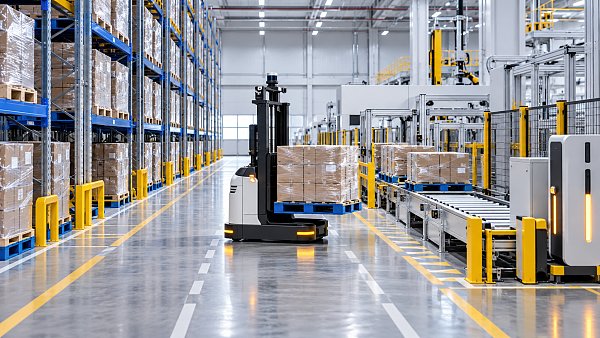
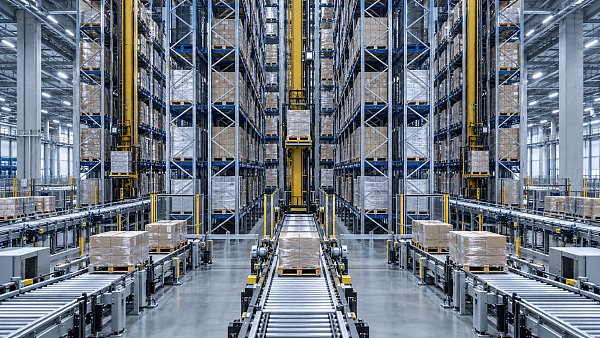
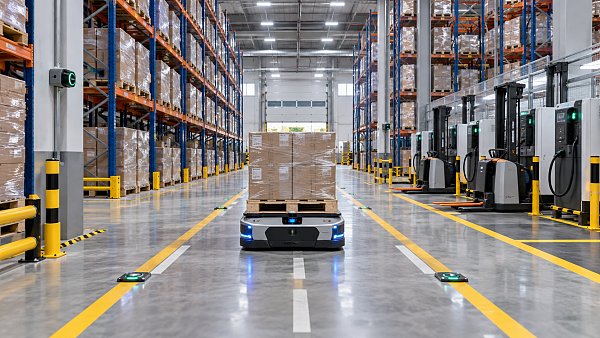
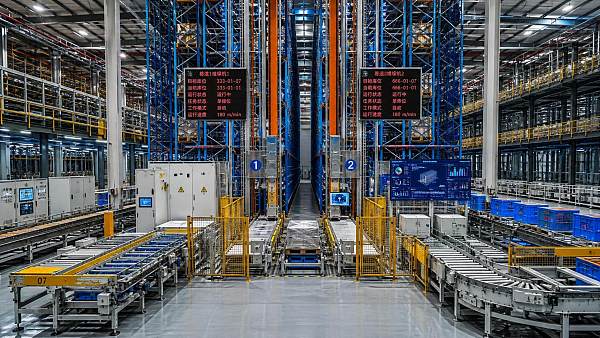
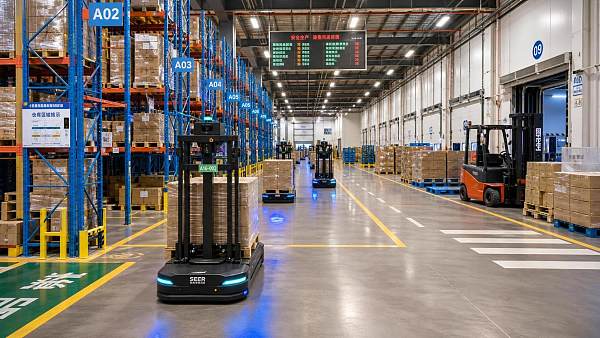
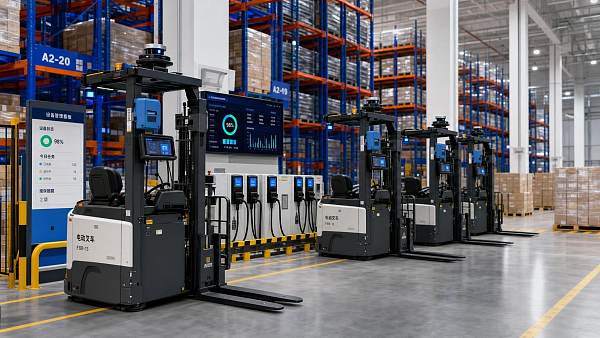
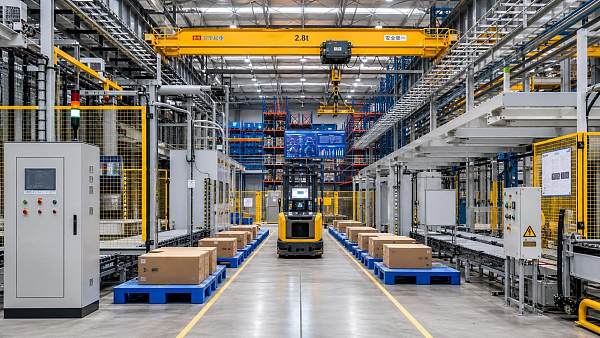
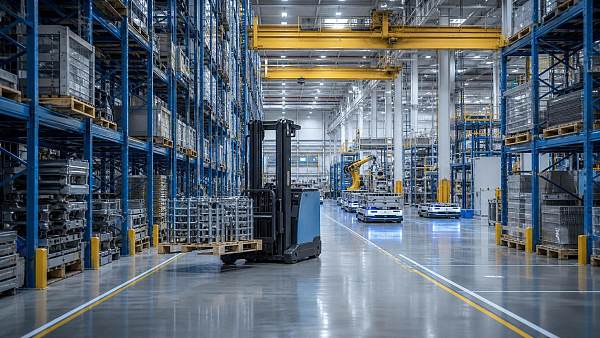
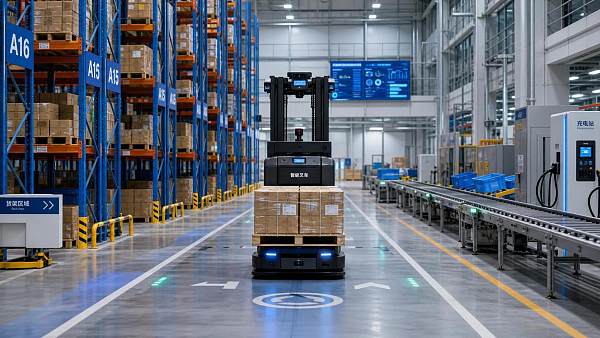
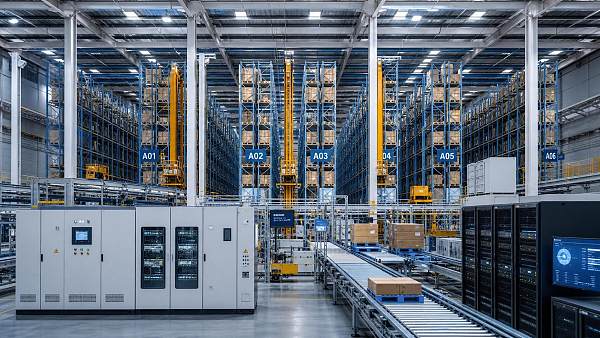
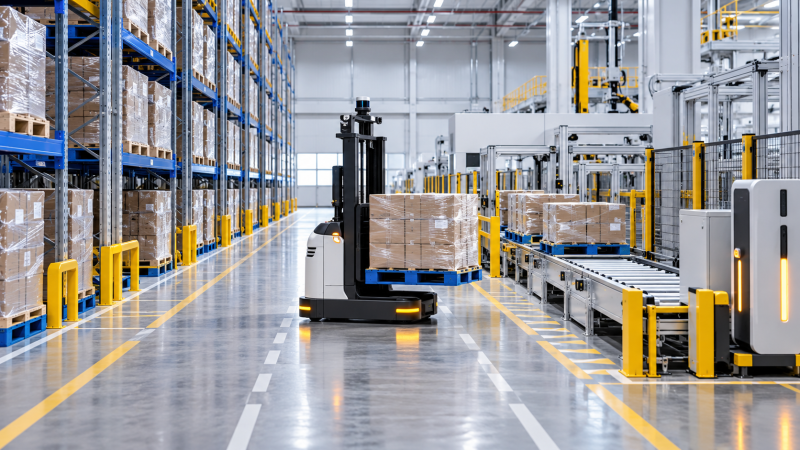
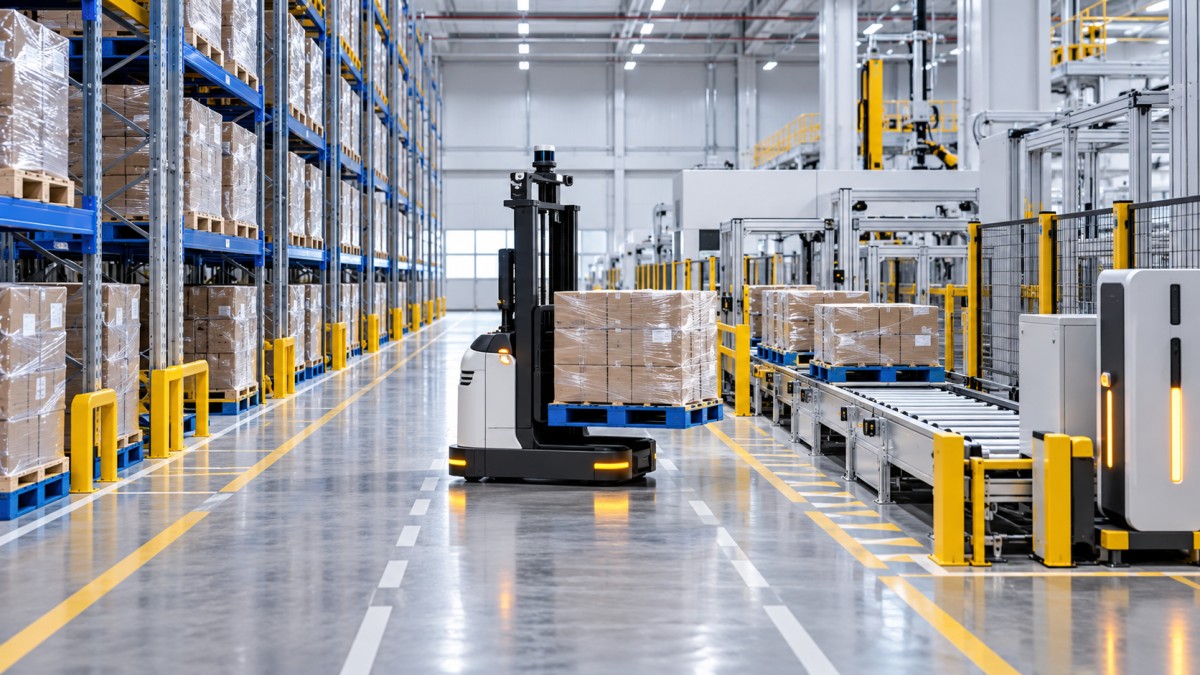
High-volume, repeatable movements are usually the strongest starting point. Examples include moving full pallets from receiving to storage, delivering standard components to fixed production locations, transferring finished goods from an end-of-line buffer to a shipping area, or replenishing a supermarket on a defined cycle. These movements have known origins, destinations, load types, and service expectations. That makes them suitable for automated guided vehicle forklifts, autonomous mobile robots, conveyor links, automated storage and retrieval systems, or automated cranes.
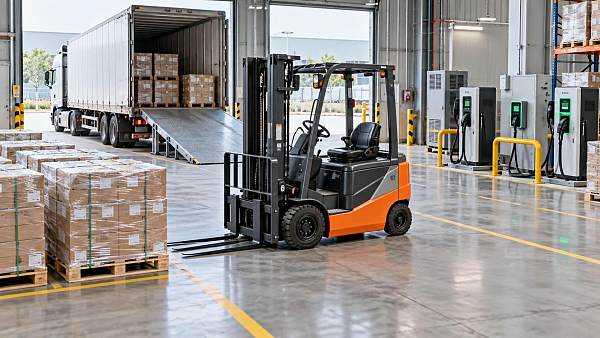
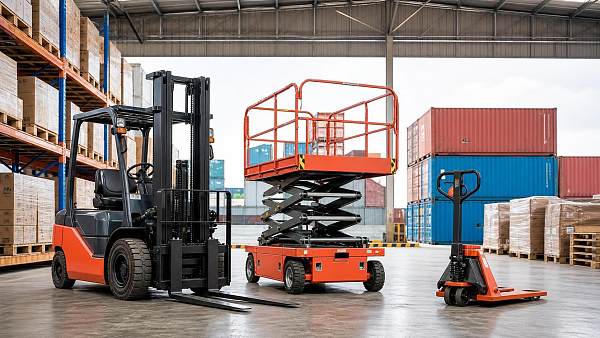
Irregular work deserves a different treatment. If operators constantly make judgment calls about damaged pallets, mixed loads, unusual packaging, unplanned staging, or changing destination rules, full automation may introduce more exceptions than it eliminates. Conventional forklifts supported by fleet management, digital task dispatching, location control, or better radio-frequency workflows can offer a better first return.
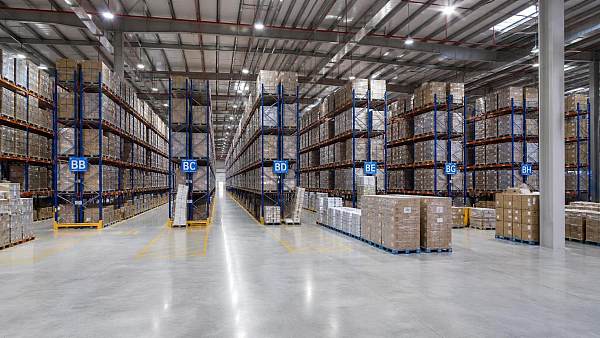
Automation should therefore be matched to a flow, not purchased as a general warehouse upgrade. A facility may justify automated pallet transfers between a warehouse and a production line while retaining manually operated reach trucks for complex rack work. It may automate a high-bay finished-goods store but leave inbound receiving semi-manual because supplier pallet quality varies too widely.
That division is often more commercially sound than an all-or-nothing program. It protects flexibility where flexibility has value and applies automation where repetition is strong enough to produce reliable gains.
Labor savings alone are a weak investment case
Labor availability is often the first reason raised in automation discussions, but labor substitution should not be the only financial argument. A system that requires fewer vehicle operators may still create new needs for supervisors, control-room support, battery management, software administration, maintenance coordination, and exception handling. The result can disappoint when the business case assumes every removed driving hour becomes a direct labor saving.
The stronger cases recognize several sources of value and distinguish between hard savings and capacity gains. A plant operating close to its material-handling limit may gain more from stable line supply and higher usable throughput than from reducing headcount. An automated system can prevent a production interruption caused by a missed replenishment, but that benefit must be connected to a realistic record of shortages, delays, overtime, or lost production capacity before it is included in a return calculation.
Useful value categories include:
- Reduced travel and waiting time for repetitive transport tasks.
- Lower dependence on overtime, temporary staffing, or difficult-to-fill vehicle roles.
- More reliable replenishment cycles for production lines and assembly areas.
- Improved inventory location accuracy and fewer manual transaction errors.
- Less product, pallet, rack, or equipment damage from repetitive vehicle movements.
- Higher storage density or better use of constrained floor space.
- More consistent operation across shifts, including periods with limited staffing.
- Earlier visibility into equipment utilization, battery condition, fault patterns, and maintenance requirements.
Each category needs a baseline. “Improved productivity” is too broad to support a capital decision. A better approach is to establish the current number of moves by route and shift, average travel distance, waiting time at pickup and drop-off points, operator utilization, line-side shortages, damage incidents, and the volume of work that occurs outside planned hours. The baseline should separate ordinary variation from a persistent constraint.
For example, a process may look inefficient because forklifts spend time waiting at production stations. Replacing them with autonomous vehicles will not solve the issue if the stations have no clear handoff signal, no available buffer space, or no agreed rule for when empty containers should be removed. In that situation, the first investment may be in point-of-use replenishment design, visual controls, or warehouse-management integration. Automation becomes more viable once the task can be released consistently.
The cost model must include the work around the machine
Purchase price is only one part of the cost of warehouse automation solutions for manufacturing. The more material handling is connected to production continuity, the more the financial model must account for the infrastructure and organizational work needed to keep the system available.
Direct equipment costs may include automated vehicles, racking changes, charging systems, safety sensors, navigation infrastructure, conveyors, lifts, controls, and software. Less visible costs often include floor repair, wireless coverage, fire and battery-area design, protective guarding, integration with warehouse management or manufacturing execution systems, data cleanup, acceptance testing, operator training, and temporary operating procedures during commissioning.
The operating side matters just as much. Decision-makers should ask who will respond when a vehicle encounters an obstruction, a load is out of specification, a barcode cannot be read, or a route is unavailable. They should understand whether on-site technicians can reset common faults, what spare parts are held locally, how remote support is handled, and how software changes are controlled. A system that performs well during a supplier demonstration can still create costly delays if every exception requires a specialist visit or a lengthy support escalation.
Availability assumptions should be tested under peak conditions rather than average conditions. Manufacturing schedules often concentrate demand around shift changes, sequence changes, end-of-run transfers, and dispatch cutoffs. A system sized for average daily movement volume may lack the vehicle capacity, charging capacity, buffer space, or control logic to handle those peaks. Manual fallback then becomes routine rather than exceptional, weakening the expected labor and throughput benefits.
A practical business case also treats the deployment period as an operating cost. During ramp-up, supervisors may need to run manual and automated processes in parallel. Productivity can fall before it rises, especially where routes, labels, load standards, or inventory rules must be redesigned. This is not evidence that automation is failing; it is a normal consequence of moving control from individual operator decisions into a defined system. The plan should have room for it.
Choose the automation level that fits the process maturity
Manufacturers sometimes compare a manually operated forklift fleet with a fully autonomous warehouse as though those are the only choices. In practice, there is a wide middle ground, and it can deliver a faster return with less disruption.
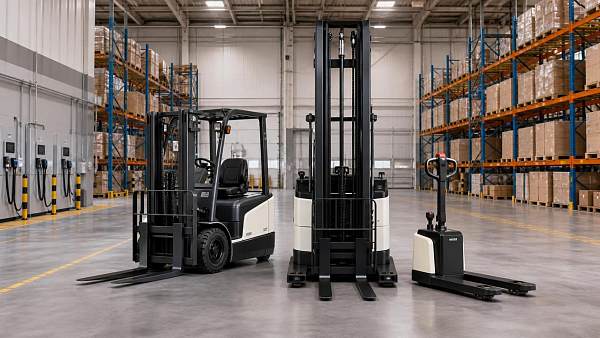
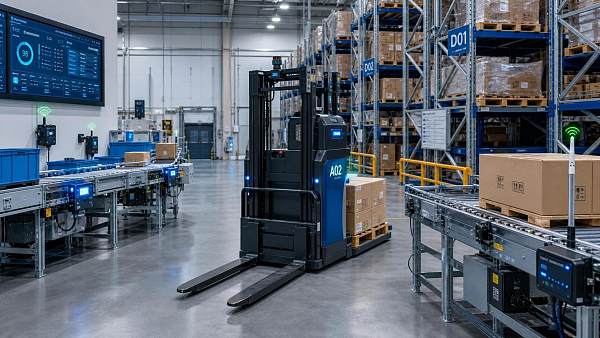
Connected forklifts with fleet monitoring can reveal underused assets, collision exposure, energy use, and maintenance patterns. Digital task allocation can reduce radio traffic and unnecessary travel. Semi-automated guided modes can assist on repeat routes while leaving an operator responsible for complex loading. Automated storage can be limited to high-density, stable finished-goods inventory. Intelligent lifting controls may improve positioning and reduce handling risk in predictable transfer operations.
This staged approach is especially useful where the site lacks reliable master data or where product mix is changing. It gives the organization time to establish location discipline, load identification rules, escalation procedures, and maintenance ownership before autonomous movements become critical to production. It also prevents a common procurement mistake: buying a high level of automation to compensate for weak process control.
Full automation becomes more attractive when the site has disciplined material standards. Pallets should be consistently built and identifiable. Pickup and drop locations should be physically defined. Load dimensions, weights, and clearances should be understood. Pedestrian and vehicle interactions should be controlled. Inventory transactions should reflect physical reality closely enough for automated decisions to be trusted.
These conditions sound basic, but they determine whether an autonomous system spends its time completing moves or waiting for human intervention. A low exception rate is often more valuable than an impressive headline travel speed.
Safety and resilience need to be designed into the decision
Automation can reduce exposure to some vehicle-related risks by taking repetitive transport away from operator-driven traffic. It does not remove safety responsibility. Automated equipment introduces its own operating boundaries: detection zones, restricted areas, pedestrian crossings, emergency access rules, manual-recovery procedures, and requirements for safe interaction with forklifts, tuggers, cranes, and people.
A procurement review should examine the intended traffic model rather than accepting generic safety claims. Can autonomous vehicles and manual trucks share aisles? Are routes protected at blind corners and doorways? What happens if a load shifts, a pallet protrudes, or a person enters a transfer zone? How are emergency stops reset, and who is authorized to do so? Where is manual equipment staged when automation is unavailable?
Resilience also extends beyond safety. Manufacturing sites need a clear answer for network interruption, power loss, software outage, blocked routes, and equipment failure. The question is not whether disruptions can occur; it is whether the plant can continue to supply critical lines while recovery is underway. For some operations, that means maintaining a small manual fleet and trained operators. For others, it means designing buffer inventory at specific line-side points. The appropriate measure depends on the cost of a missed movement and the time required to restore service.
What to ask before approving a project
Before issuing a request for proposal, leadership teams should be able to answer a short set of practical questions. Which exact movements will the system own? What evidence shows those movements are a capacity, cost, safety, or reliability constraint? Which exceptions occur today, and how will each be handled after automation? What physical and data changes are required before commissioning? What performance level is needed during the busiest operating period? What manual fallback protects production if the automated flow stops?
Suppliers should be asked to respond to those conditions with a site-specific operating concept, not only an equipment list. The most useful proposals describe traffic assumptions, buffer requirements, load constraints, interface responsibilities, availability support, commissioning stages, training needs, and acceptance criteria. A proposal that promises a return without exposing those assumptions leaves the buyer carrying most of the implementation risk.
The decision should also identify ownership after handover. Warehouse operations may own daily task performance, but maintenance needs authority over preventive service and fault response. IT may own network and integration reliability, while production controls the priorities that drive demand. Without agreement across those groups, automated material flow can become an orphaned system: essential to operations but unsupported when its rules need adjustment.
Warehouse automation earns its place in manufacturing when it makes a constrained flow more reliable, measurable, and scalable. The best projects usually begin with a narrow operational problem, establish a defensible baseline, and automate only as far as the site can sustain. That discipline may produce a smaller first project, but it creates a far better foundation for expansion than a broad promise of automation with no clear owner, no exception plan, and no tested path to value.
Recommended News
 Oct 01, 2026When warehouse automation solutions for manufacturing pay offWarehouse automation solutions for manufacturing: learn when automation delivers ROI through reliable material flow, lower costs, and scalable production capacity.
 Sep 26, 2026When does a smart warehouse ASRS justify its upfront cost?Smart warehouse ASRS investment: discover when automation delivers measurable ROI through space savings, labor control, higher throughput, and resilient operations.
 Sep 20, 2026When do smart material handling systems in India justify the investment?Smart material handling systems India: learn when automation delivers ROI through safer workflows, higher throughput, lower downtime, and lifecycle cost control.
 Sep 11, 2026What drives rental equipment total cost of ownership beyond the daily rate?Rental equipment total cost of ownership goes beyond daily rates. Discover how transport, downtime, energy, labor, compliance, and off-rent control shape smarter rental decisions.
 Sep 02, 2026What determines warehouse stacking systems price for a new warehouse?Warehouse stacking systems price depends on density, loads, aisle design, forklifts, installation, safety, and lifecycle costs. Compare smarter for your new warehouse.
 Aug 26, 2026What drives ASRS integration pricing in warehouse automation projectsASRS integration pricing depends on software scope, site conditions, throughput goals, and risk allocation—not just equipment. Learn what really drives costs and compare bids with confidence.
 Aug 25, 2026When does renting logistics equipment in India cost less than buying?Logistics equipment India: Learn when renting costs less than buying by comparing utilization, maintenance, downtime, cash flow, and project flexibility for smarter decisions.
 Aug 19, 2026When does AGV warehouse systems integration pay off in existing facilities?AGV warehouse systems integration pays off when repetitive pallet moves, labor shortages, and safety costs hurt performance. Learn when retrofitting existing facilities delivers ROI.
 Aug 16, 2026What drives logistics equipment price in warehouse projects?Logistics equipment price in warehouse projects depends on capacity, power, safety, and automation—learn what really drives cost and make smarter buying decisions.
 Aug 03, 2026Scissor Lifts Price Breakdown: What Changes Cost by Height, Power, and Duty CycleScissor lifts price explained by height, power source, platform capacity, and duty cycle. Learn what really changes cost and compare quotes with confidence before you buy.
 Jul 30, 2026How Forklift Fleet Technology Cuts Downtime and Lowers Total CostForklift fleet technology helps reduce downtime, improve utilization, and lower total cost with smarter maintenance, battery control, and fleet visibility. Learn what buyers should evaluate.
 Jul 27, 2026Smart Winch Systems Cost: What Drives Total Price in 2026?Smart winch systems cost in 2026 depends on more than unit price. Explore key drivers like controls, safety, installation, and lifecycle support to budget smarter.
 Jul 21, 2026Industrial Automation Integration: Cost Drivers and ROI BenchmarksIndustrial automation integration costs are shaped by controls, software, retrofits, and downtime. Explore key ROI benchmarks, payback ranges, and practical ways to evaluate project value.
 Jul 18, 2026Material Handling Market Growth: Key Cost and Demand Signals for 2026Material handling market growth in 2026 is driven by labor costs, electrification, automation, and safety compliance. Discover key demand signals shaping smarter equipment investments.
 Jul 17, 2026Warehouse Automation Solutions with IoT: Costs, ROI, and Key Integration RisksWarehouse automation solutions with IoT: explore real costs, ROI timelines, and key integration risks to cut downtime, improve visibility, and choose the right system with confidence.
 Jul 15, 2026Heavy Lifting Equipment Price: What Drives Total Cost in 2026Heavy lifting equipment price in 2026 depends on more than the purchase quote. Learn the hidden cost drivers, lifecycle risks, and smart ways to compare offers before you buy.
 Jul 13, 2026Lifting Equipment Maintenance Cost: Budget Risks to WatchLifting equipment maintenance cost can quietly derail budgets. Learn the hidden risks, downtime drivers, and smart ways to control spend before the next budget cycle.
 Jul 13, 2026Heavy Load Positioning Systems Price: What Drives Total Cost?Heavy load positioning systems price depends on more than equipment cost. Learn the key drivers, hidden expenses, and how to compare quotes for safer, smarter investment decisions.
 Jul 11, 2026What to Check Before Choosing an Unmanned Material Handling CompanyUnmanned material handling company selection starts with the right checks. Learn how to evaluate safety, integration, service, and ROI before you choose a supplier.
 Jul 09, 2026Automated Warehousing Supplier Checklist: Integration, Uptime, and Expansion CostsAutomated warehousing supplier checklist covering integration, uptime, and expansion costs. Learn how to compare vendors, reduce risk, and protect long-term ROI.
 Jul 09, 2026How to Evaluate a Heavy Lifting Equipment Supplier for Long-Term Project RiskHeavy lifting equipment supplier evaluation starts with risk, not price. Learn how to assess safety, service, compliance, and long-term project reliability before you buy.
 Jul 08, 2026Lifting Equipment for Construction: What to Compare Before You Rent or BuyLifting equipment for construction: compare load capacity, site conditions, compliance, uptime, and total cost before you rent or buy to reduce risk and improve project ROI.
 Jul 07, 2026Forklift Lifecycle ROI: Cost Drivers That Change Long-Term OwnershipForklift lifecycle ROI starts beyond the purchase price. Discover how battery strategy, maintenance, downtime, safety, and resale value shape smarter long-term ownership decisions.
![]() Jul 06, 2026Port Material Handling Operations: Where Delays and Costs Usually StartPort material handling operations often lose time and money before cargo even moves. Discover where delays begin, what drives hidden costs, and how smarter equipment choices improve throughput.
Jul 06, 2026Port Material Handling Operations: Where Delays and Costs Usually StartPort material handling operations often lose time and money before cargo even moves. Discover where delays begin, what drives hidden costs, and how smarter equipment choices improve throughput.