Search News
Industry Portal
Popular Tags
Industrial Automation Integration: Cost Drivers and ROI Benchmarks
Author
Time
Click Count
Why is industrial automation integration now a board-level cost question?
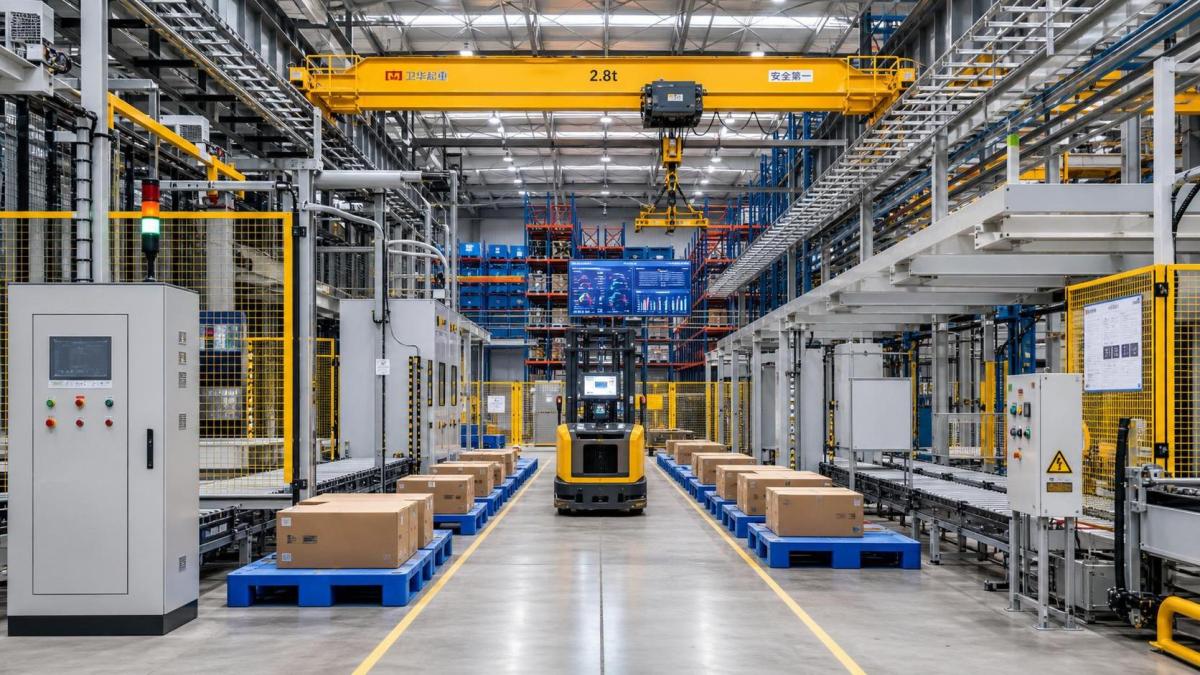
Industrial automation integration has moved beyond isolated pilot projects. It now affects throughput, labor availability, safety exposure, and the speed of operational decision-making.
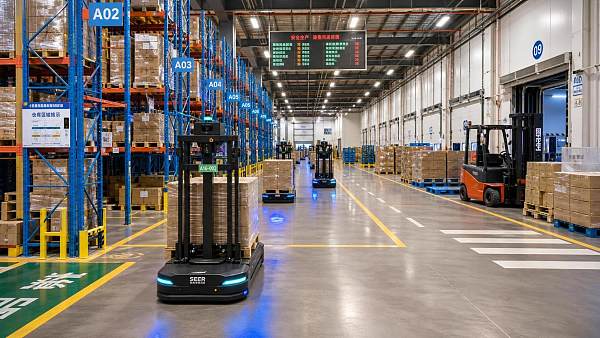
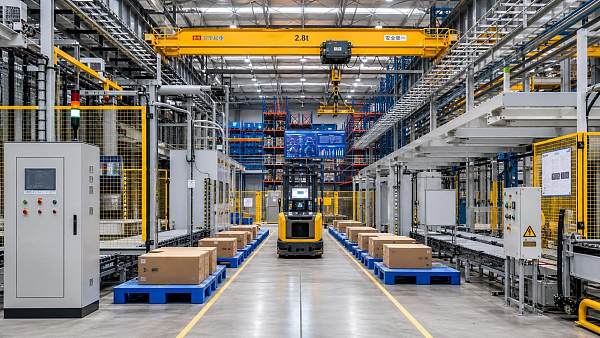
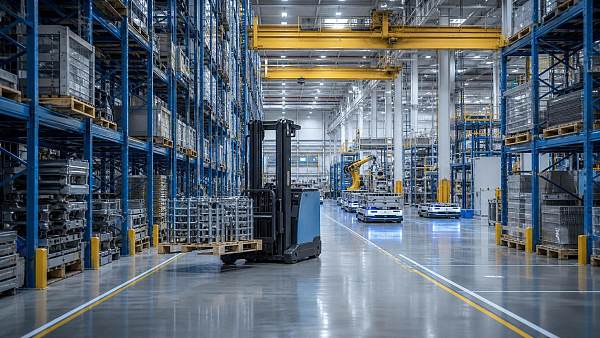
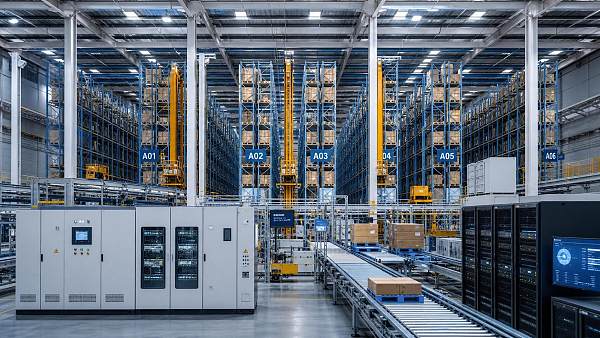
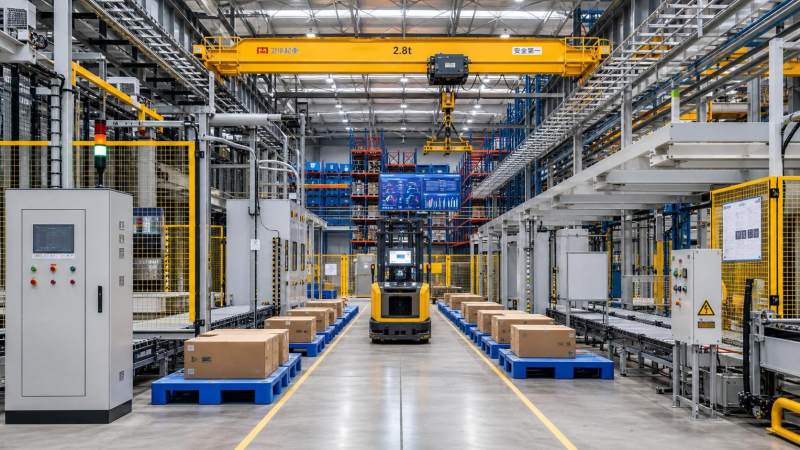
That shift is especially visible in material handling, lifting, and warehouse environments. Forklifts, automated cranes, hoists, AGV systems, and fleet monitoring tools increasingly share data and control logic.
The real question is no longer whether automation matters. The practical question is how much industrial automation integration will cost, how long implementation will take, and when returns become measurable.
In actual projects, cost pressure rarely comes from one item alone. It usually comes from controls upgrades, software interfaces, electrical retrofits, commissioning time, and temporary productivity loss.
For operations that rely on lifting stability, pallet flow, crane positioning, or uptime, a weak integration plan can erase the expected gains. A disciplined one can produce durable lifecycle value.
This is why industry intelligence platforms such as MHLE often frame automation through application economics, safety compliance, and equipment behavior rather than through technology claims alone.
What actually drives the cost of industrial automation integration?
The largest cost drivers usually sit below the headline equipment price. Integration work often determines whether the budget stays controlled or expands after approval.
A useful way to look at industrial automation integration is by cost layers rather than by supplier quotations alone.
- Control architecture: PLC upgrades, drives, sensors, HMIs, safety relays, and networking hardware.
- Software and interfaces: WMS, MES, ERP, SCADA, fleet telemetry, and machine-to-machine communication.
- Mechanical and electrical retrofit work: brackets, cabling, guarding, panels, power distribution, and field installation.
- Engineering and testing: logic design, simulation, FAT, SAT, site acceptance, and tuning under load.
- Training and change management: operator adoption, maintenance skills, and revised workflows.
- Downtime cost: lost production, restricted shipping windows, or temporary manual workarounds.
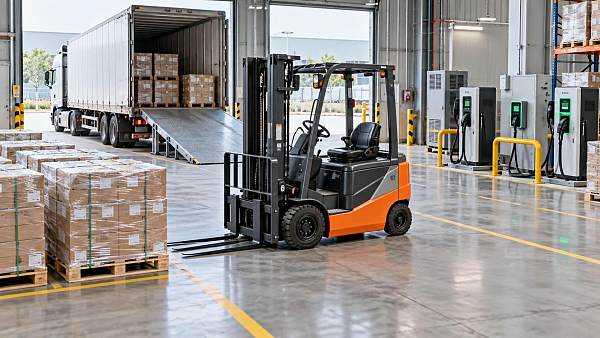
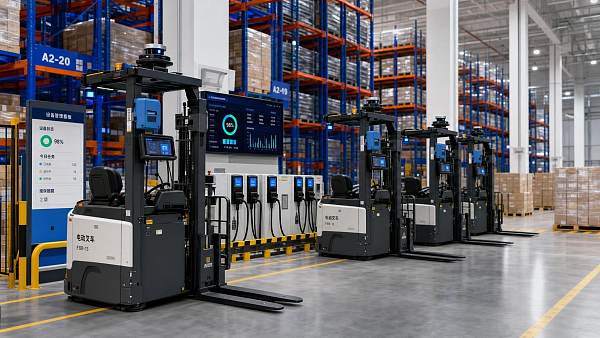
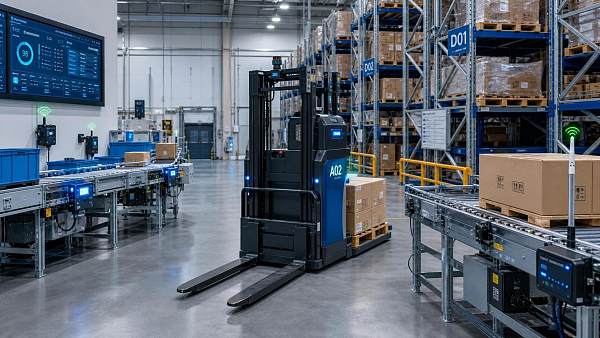
In warehouses, interface costs often surprise teams first. An AGV forklift, battery management system, and warehouse software may each work well alone, yet still require expensive middleware or custom mapping.
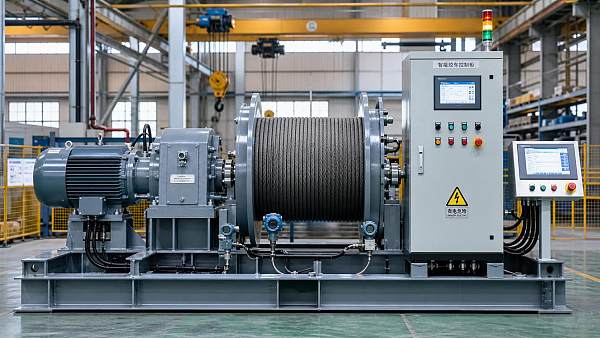
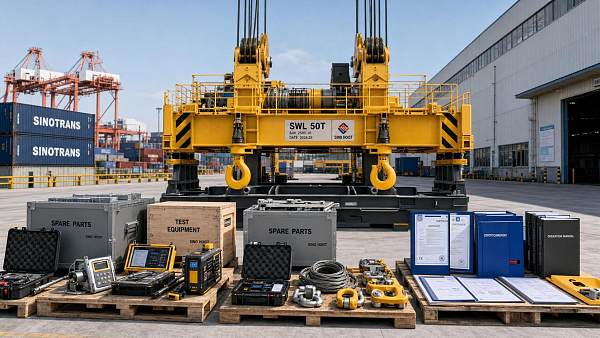
In crane and hoist applications, the hidden expense is frequently retrofit complexity. Anti-sway control, variable frequency drives, and load monitoring may require structural review, wiring changes, and compliance validation.
For ports, shipyards, and industrial plants, site conditions matter even more. Dust, vibration, outdoor exposure, or legacy equipment can extend commissioning and raise support requirements.
Where do ROI benchmarks usually land, and what should count as a credible return?
There is no universal payback number, but there are useful benchmark ranges. Most industrial automation integration projects are judged credible when payback falls between 18 and 36 months.
Shorter payback is more common when labor substitution is direct, throughput is constrained, or safety incidents already create measurable loss.
Longer payback is normal when the project involves heavy retrofit work, multi-system software integration, or compliance-driven modernization rather than immediate headcount reduction.
A credible ROI case usually combines several gains instead of depending on one optimistic assumption.
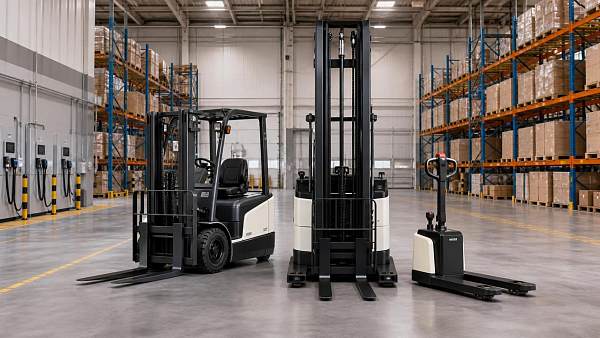
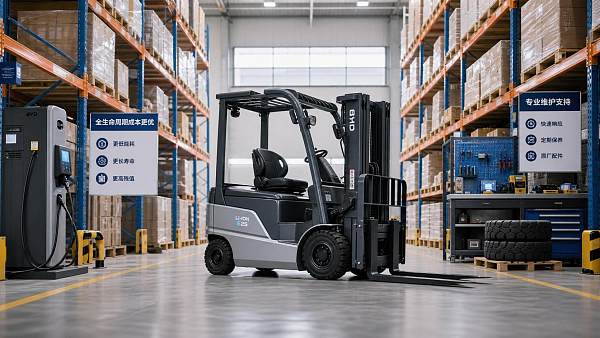
When industrial automation integration is tied to forklifts, warehouse vehicles, or automated lifting systems, the best ROI models include travel reduction, charging behavior, queue time, and maintenance intervals.
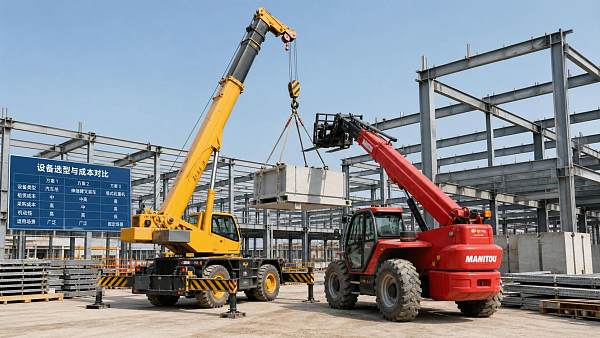
For crane modernization, the return often comes from smoother positioning, less load swing, reduced operator fatigue, and fewer delays during repetitive handling cycles.
Which applications usually justify industrial automation integration fastest?
The fastest-justified projects tend to share one characteristic: they remove a visible operational bottleneck. Integration works best when it solves a measurable problem already affecting output or risk.
In practice, several scenarios stand out.
- High-volume warehouses with repeated pallet flows and labor shortages.
- Plants where overhead cranes create waiting time between production steps.
- Ports and yards where equipment visibility is weak and dispatching decisions are slow.
- Facilities with frequent damage, unstable lifting, or compliance-driven safety upgrades.
- Rental or mixed fleets where IoT data can improve utilization and maintenance planning.
A more cautious case appears when volume is low, workflows change every week, or the process still lacks basic standardization. In those conditions, automation may digitize inconsistency rather than remove it.
That is why industrial automation integration should be linked to process discipline first. Stable loads, predictable travel paths, repeatable work cycles, and usable data are stronger value signals than broad ambition.
How can a buyer tell whether a proposal is realistic or underspecified?
A realistic proposal explains boundaries. An underspecified one highlights performance goals while leaving interfaces, retrofit scope, and acceptance criteria vague.
One practical test is to ask where industrial automation integration could fail technically or operationally. Strong suppliers answer with detail, not with general assurance.
It also helps to compare proposed gains with known application behavior. If a crane anti-sway retrofit promises dramatic productivity improvement without discussing operator training, tuning, or payload variation, the model is probably incomplete.
The same applies to forklift or AGV integration. If labor savings are central to the ROI, the proposal should explain traffic logic, battery strategy, aisle constraints, and exception handling.
What mistakes make industrial automation integration look cheaper than it is?
The most common mistake is pricing the equipment but not the operating transition. Installation may be visible on paper, while process disruption stays hidden until go-live.
Another frequent error is assuming legacy assets can integrate cleanly. Older forklifts, cranes, hoists, or access systems may need sensor replacement, rewiring, or controller conversion.
Several issues repeatedly distort budgets:
- No allowance for data cleaning, tag mapping, or software customization.
- Insufficient budget for safety validation and compliance documentation.
- Ignoring training time for operators, technicians, and supervisors.
- Using best-case throughput assumptions for ROI modeling.
- Failing to define post-commissioning support and spare parts responsibility.
More subtle mistakes involve decision timing. When industrial automation integration is evaluated only after layout changes, new battery systems, or software replacements are already fixed, design flexibility disappears and costs rise.
In material handling and lifting environments, early coordination matters because control logic, mechanical motion, energy use, and safety systems affect one another directly.
So what should happen before capital approval?
Before approval, the project should be reduced to measurable assumptions. That means documenting the current baseline, the target process, and the cost of disruption during the transition period.
A practical pre-approval checklist usually includes cycle time data, labor patterns, maintenance history, error rates, safety incidents, and interface maps for existing systems.
It is also worth separating must-have functions from later options. Some industrial automation integration projects become difficult to justify because phase one carries every optional feature from the start.
For warehouse equipment, lifting systems, and automated fleets, the strongest decisions come from matching ROI assumptions to real application conditions, not generic technology narratives.
A sound next step is to compare proposals against a common scoring sheet covering scope, downtime, integration risk, compliance needs, support model, and payback sensitivity.
That approach keeps industrial automation integration grounded in evidence. It also makes later vendor comparison clearer, especially when software, controls, and retrofit work are bundled differently.
Recommended News
 Sep 11, 2026What drives rental equipment total cost of ownership beyond the daily rate?Rental equipment total cost of ownership goes beyond daily rates. Discover how transport, downtime, energy, labor, compliance, and off-rent control shape smarter rental decisions.
 Sep 02, 2026What determines warehouse stacking systems price for a new warehouse?Warehouse stacking systems price depends on density, loads, aisle design, forklifts, installation, safety, and lifecycle costs. Compare smarter for your new warehouse.
 Aug 26, 2026What drives ASRS integration pricing in warehouse automation projectsASRS integration pricing depends on software scope, site conditions, throughput goals, and risk allocation—not just equipment. Learn what really drives costs and compare bids with confidence.
 Aug 25, 2026When does renting logistics equipment in India cost less than buying?Logistics equipment India: Learn when renting costs less than buying by comparing utilization, maintenance, downtime, cash flow, and project flexibility for smarter decisions.
 Aug 19, 2026When does AGV warehouse systems integration pay off in existing facilities?AGV warehouse systems integration pays off when repetitive pallet moves, labor shortages, and safety costs hurt performance. Learn when retrofitting existing facilities delivers ROI.
 Aug 16, 2026What drives logistics equipment price in warehouse projects?Logistics equipment price in warehouse projects depends on capacity, power, safety, and automation—learn what really drives cost and make smarter buying decisions.
 Aug 03, 2026Scissor Lifts Price Breakdown: What Changes Cost by Height, Power, and Duty CycleScissor lifts price explained by height, power source, platform capacity, and duty cycle. Learn what really changes cost and compare quotes with confidence before you buy.
 Jul 30, 2026How Forklift Fleet Technology Cuts Downtime and Lowers Total CostForklift fleet technology helps reduce downtime, improve utilization, and lower total cost with smarter maintenance, battery control, and fleet visibility. Learn what buyers should evaluate.
 Jul 27, 2026Smart Winch Systems Cost: What Drives Total Price in 2026?Smart winch systems cost in 2026 depends on more than unit price. Explore key drivers like controls, safety, installation, and lifecycle support to budget smarter.
 Jul 21, 2026Industrial Automation Integration: Cost Drivers and ROI BenchmarksIndustrial automation integration costs are shaped by controls, software, retrofits, and downtime. Explore key ROI benchmarks, payback ranges, and practical ways to evaluate project value.
 Jul 18, 2026Material Handling Market Growth: Key Cost and Demand Signals for 2026Material handling market growth in 2026 is driven by labor costs, electrification, automation, and safety compliance. Discover key demand signals shaping smarter equipment investments.
 Jul 17, 2026Warehouse Automation Solutions with IoT: Costs, ROI, and Key Integration RisksWarehouse automation solutions with IoT: explore real costs, ROI timelines, and key integration risks to cut downtime, improve visibility, and choose the right system with confidence.
 Jul 15, 2026Heavy Lifting Equipment Price: What Drives Total Cost in 2026Heavy lifting equipment price in 2026 depends on more than the purchase quote. Learn the hidden cost drivers, lifecycle risks, and smart ways to compare offers before you buy.
 Jul 13, 2026Lifting Equipment Maintenance Cost: Budget Risks to WatchLifting equipment maintenance cost can quietly derail budgets. Learn the hidden risks, downtime drivers, and smart ways to control spend before the next budget cycle.
 Jul 13, 2026Heavy Load Positioning Systems Price: What Drives Total Cost?Heavy load positioning systems price depends on more than equipment cost. Learn the key drivers, hidden expenses, and how to compare quotes for safer, smarter investment decisions.
 Jul 11, 2026What to Check Before Choosing an Unmanned Material Handling CompanyUnmanned material handling company selection starts with the right checks. Learn how to evaluate safety, integration, service, and ROI before you choose a supplier.
 Jul 09, 2026Automated Warehousing Supplier Checklist: Integration, Uptime, and Expansion CostsAutomated warehousing supplier checklist covering integration, uptime, and expansion costs. Learn how to compare vendors, reduce risk, and protect long-term ROI.
 Jul 09, 2026How to Evaluate a Heavy Lifting Equipment Supplier for Long-Term Project RiskHeavy lifting equipment supplier evaluation starts with risk, not price. Learn how to assess safety, service, compliance, and long-term project reliability before you buy.
 Jul 08, 2026Lifting Equipment for Construction: What to Compare Before You Rent or BuyLifting equipment for construction: compare load capacity, site conditions, compliance, uptime, and total cost before you rent or buy to reduce risk and improve project ROI.
 Jul 07, 2026Forklift Lifecycle ROI: Cost Drivers That Change Long-Term OwnershipForklift lifecycle ROI starts beyond the purchase price. Discover how battery strategy, maintenance, downtime, safety, and resale value shape smarter long-term ownership decisions.
![]() Jul 06, 2026Port Material Handling Operations: Where Delays and Costs Usually StartPort material handling operations often lose time and money before cargo even moves. Discover where delays begin, what drives hidden costs, and how smarter equipment choices improve throughput.
Jul 06, 2026Port Material Handling Operations: Where Delays and Costs Usually StartPort material handling operations often lose time and money before cargo even moves. Discover where delays begin, what drives hidden costs, and how smarter equipment choices improve throughput. Jul 05, 2026Industrial Forklifts Cost Breakdown: Purchase, Energy, Maintenance, and ResaleIndustrial forklifts cost goes beyond the sticker price. Compare purchase, energy, maintenance, downtime, and resale value to choose the most cost-effective forklift.
 Jul 02, 2026How to Evaluate a Construction Access Equipment Manufacturer in 2026Construction access equipment manufacturer selection in 2026 goes beyond specs. Learn how to compare safety, compliance, service, telematics, and lifecycle cost for smarter buying decisions.
 Jul 01, 2026Automated Storage and Retrieval Systems Cost BreakdownAutomated storage and retrieval systems cost explained clearly: compare cost drivers, hidden expenses, ROI factors, and system price ranges before approving your warehouse automation budget.