Search News
Industry Portal
Popular Tags
Intralogistics Automation ASRS: When the ROI Starts to Make Sense
Author
Time
Click Count
When does intralogistics automation ASRS start to pay off?
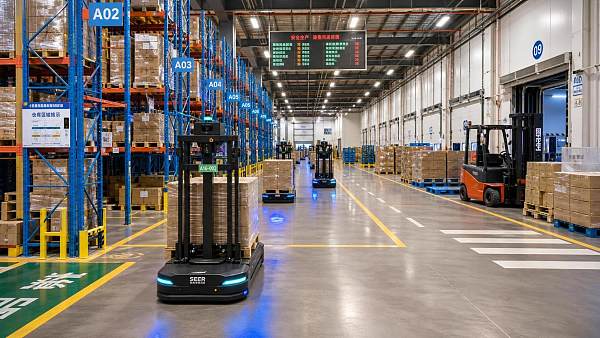
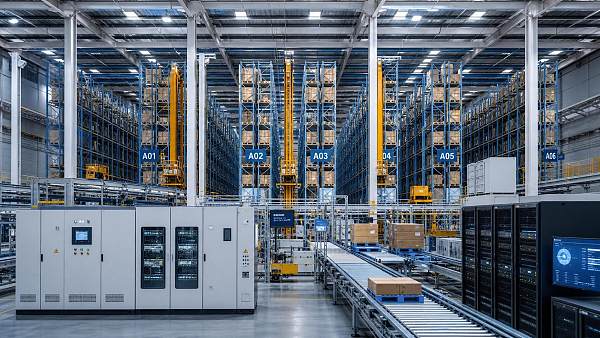
Intralogistics automation ASRS is moving from a “future upgrade” to a practical capital decision. For many operations, the pressure comes from labor shortages, tighter space use, and faster service expectations. The real issue is not whether ASRS can work, but when its ROI becomes convincing enough to justify the shift.
In material handling, ROI is rarely driven by one line item. It usually appears when storage density, picking consistency, labor stability, and error reduction start to move together. That is why the timing matters so much.
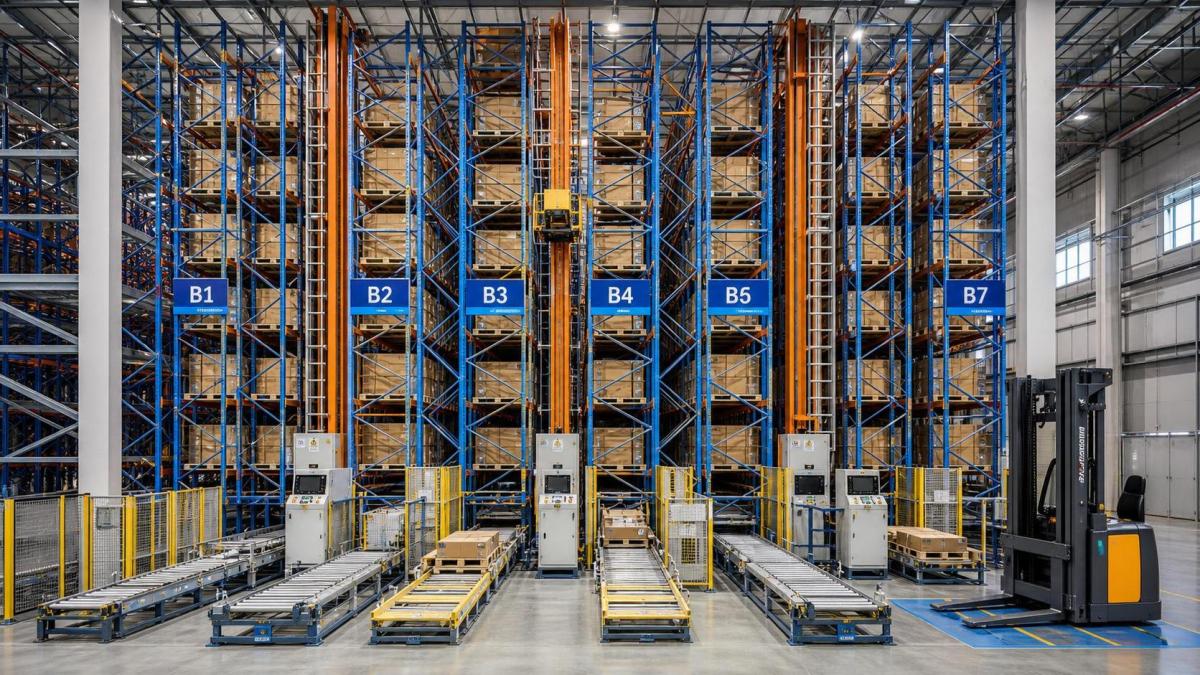
For organizations tracking warehouse automation, crane systems, forklifts, AGV flows, and high-bay storage logic, ASRS sits at the intersection of throughput and lifecycle cost. MHLE-style market analysis often shows that the strongest cases are not the busiest sites, but the ones where every square meter and every labor hour is already under pressure.
What signals tell you the economics are changing?
A useful starting point is to look for operational friction that keeps repeating. If pallets are waiting, shifts are stretched, and inventory accuracy depends on manual correction, the cost of staying manual may already be rising faster than it looks on paper.
The clearest payback signals usually include three patterns: labor cost volatility, space saturation, and service-level penalties. Intralogistics automation ASRS becomes more compelling when those three factors overlap.
- Frequent overtime or difficulty staffing multiple shifts
- Aisles, buffer zones, or staging areas that consume valuable floor space
- Picking errors, stock mismatches, or avoidable damage events
- Throughput growth that cannot be handled by adding more manual equipment alone
When these signals persist, automation is no longer just a productivity topic. It becomes a cost-control decision.
A simple ROI filter
One practical way to judge timing is to compare annual operating pain against the projected system cost. If labor, rework, inventory loss, and space constraints are already absorbing a large share of value, the payback window shortens quickly.
Which operations benefit first from ASRS?
Not every warehouse needs the same level of automation. Intralogistics automation ASRS is strongest where product movement is repetitive, inventory rules are clear, and retrieval speed matters more than flexibility.
That is why high-volume distribution, parts storage, cold-chain facilities, and production-side buffering often see the earliest returns. These sites can quantify the gains more easily because the workflow is structured.
In contrast, highly variable operations with frequent SKU changes may need a more careful design. The ROI can still work, but the business case depends on how much variation the system must absorb.
- High SKU density with stable storage rules
- Fast replenishment loops between production and warehouse
- Sites where vertical storage creates a major space advantage
- Operations that need reliable traceability and fewer touchpoints
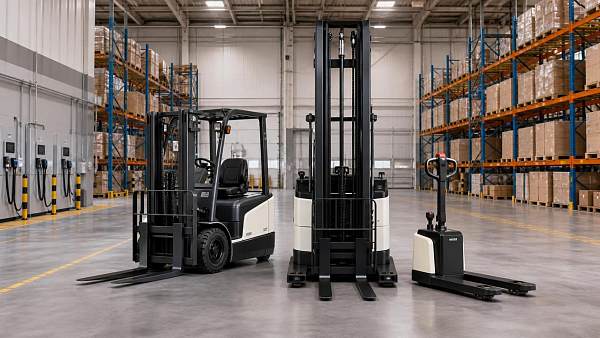
This is also where broader material handling strategy matters. If forklifts, conveyors, cranes, and ASRS are being planned separately, the system often underperforms. The best returns usually come from coordinated flow design.
What costs are often underestimated?
Many teams focus on the hardware price and miss the full deployment cost. That can distort the ROI picture in either direction. Intralogistics automation ASRS needs a broader cost lens.
The obvious items include equipment, software, installation, and commissioning. The less visible ones include building adjustments, fire protection, integration with WMS or ERP systems, spare parts strategy, and long-term maintenance capability.
There is also the transition period. During changeover, productivity may dip before it improves. If that window is ignored, payback assumptions can look overly optimistic.
- Facility reinforcement or layout changes
- Controls integration and data cleanup
- Operator training and process redesign
- Maintenance contracts and spare-part planning
A realistic model treats ASRS as an operating system, not just a machine purchase. That perspective usually leads to better decisions.
How do ASRS compare with more manual upgrades?
A common mistake is comparing ASRS only with adding more labor or a few forklifts. The real comparison is broader: what happens if the site keeps expanding manual handling, versus moving to a more controlled storage and retrieval model?
Manual upgrades can be cheaper at the start, and they often suit short planning horizons. But they may not solve floor-space pressure, error rates, or consistency issues. ASRS tends to win when the cost of inconsistency becomes larger than the cost of automation.
The best way to compare options is by looking at service reliability, density, energy use, and lifecycle cost together. That gives a much clearer view than looking at capex alone.
FAQ snapshot
What should be checked before moving forward?
Before committing, it helps to confirm whether the operating model is ready for automation. The strongest ASRS cases usually share one trait: the warehouse process is stable enough to standardize.
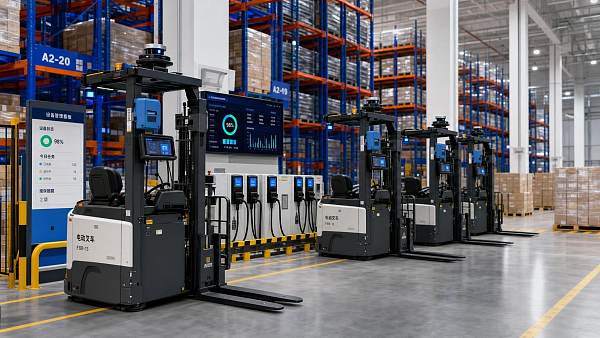
That means checking SKU behavior, order frequency, inbound-outbound balance, and maintenance capability. It also means evaluating how the system will work alongside forklifts, cranes, or other lifting equipment already in the facility.
In MHLE’s wider equipment context, successful projects are rarely isolated. They usually fit into a larger material handling strategy that includes uptime, compliance, and flow control.
- Confirm the process is stable enough for automation
- Model labor, space, and error savings together
- Check integration needs early, not after selection
- Include maintenance and downtime in the ROI case
So when does the ROI really start to make sense?
The answer is usually when three conditions align: labor is costly or unstable, space has become strategically valuable, and operational errors are no longer acceptable. At that point, intralogistics automation ASRS shifts from a nice-to-have upgrade to a measurable business lever.
A sensible next step is to compare current operating losses against a realistic automation model, then test the result against growth plans for the next three to five years. If the system improves density, reliability, and control at the same time, the ROI case is often strong enough to move from theory to action.
Recommended News
 Sep 11, 2026What drives rental equipment total cost of ownership beyond the daily rate?Rental equipment total cost of ownership goes beyond daily rates. Discover how transport, downtime, energy, labor, compliance, and off-rent control shape smarter rental decisions.
 Sep 02, 2026What determines warehouse stacking systems price for a new warehouse?Warehouse stacking systems price depends on density, loads, aisle design, forklifts, installation, safety, and lifecycle costs. Compare smarter for your new warehouse.
 Aug 26, 2026What drives ASRS integration pricing in warehouse automation projectsASRS integration pricing depends on software scope, site conditions, throughput goals, and risk allocation—not just equipment. Learn what really drives costs and compare bids with confidence.
 Aug 25, 2026When does renting logistics equipment in India cost less than buying?Logistics equipment India: Learn when renting costs less than buying by comparing utilization, maintenance, downtime, cash flow, and project flexibility for smarter decisions.
 Aug 19, 2026When does AGV warehouse systems integration pay off in existing facilities?AGV warehouse systems integration pays off when repetitive pallet moves, labor shortages, and safety costs hurt performance. Learn when retrofitting existing facilities delivers ROI.
 Aug 16, 2026What drives logistics equipment price in warehouse projects?Logistics equipment price in warehouse projects depends on capacity, power, safety, and automation—learn what really drives cost and make smarter buying decisions.
 Aug 03, 2026Scissor Lifts Price Breakdown: What Changes Cost by Height, Power, and Duty CycleScissor lifts price explained by height, power source, platform capacity, and duty cycle. Learn what really changes cost and compare quotes with confidence before you buy.
 Jul 30, 2026How Forklift Fleet Technology Cuts Downtime and Lowers Total CostForklift fleet technology helps reduce downtime, improve utilization, and lower total cost with smarter maintenance, battery control, and fleet visibility. Learn what buyers should evaluate.
 Jul 27, 2026Smart Winch Systems Cost: What Drives Total Price in 2026?Smart winch systems cost in 2026 depends on more than unit price. Explore key drivers like controls, safety, installation, and lifecycle support to budget smarter.
 Jul 21, 2026Industrial Automation Integration: Cost Drivers and ROI BenchmarksIndustrial automation integration costs are shaped by controls, software, retrofits, and downtime. Explore key ROI benchmarks, payback ranges, and practical ways to evaluate project value.
 Jul 18, 2026Material Handling Market Growth: Key Cost and Demand Signals for 2026Material handling market growth in 2026 is driven by labor costs, electrification, automation, and safety compliance. Discover key demand signals shaping smarter equipment investments.
 Jul 17, 2026Warehouse Automation Solutions with IoT: Costs, ROI, and Key Integration RisksWarehouse automation solutions with IoT: explore real costs, ROI timelines, and key integration risks to cut downtime, improve visibility, and choose the right system with confidence.
 Jul 15, 2026Heavy Lifting Equipment Price: What Drives Total Cost in 2026Heavy lifting equipment price in 2026 depends on more than the purchase quote. Learn the hidden cost drivers, lifecycle risks, and smart ways to compare offers before you buy.
 Jul 13, 2026Lifting Equipment Maintenance Cost: Budget Risks to WatchLifting equipment maintenance cost can quietly derail budgets. Learn the hidden risks, downtime drivers, and smart ways to control spend before the next budget cycle.
 Jul 13, 2026Heavy Load Positioning Systems Price: What Drives Total Cost?Heavy load positioning systems price depends on more than equipment cost. Learn the key drivers, hidden expenses, and how to compare quotes for safer, smarter investment decisions.
 Jul 11, 2026What to Check Before Choosing an Unmanned Material Handling CompanyUnmanned material handling company selection starts with the right checks. Learn how to evaluate safety, integration, service, and ROI before you choose a supplier.
 Jul 09, 2026Automated Warehousing Supplier Checklist: Integration, Uptime, and Expansion CostsAutomated warehousing supplier checklist covering integration, uptime, and expansion costs. Learn how to compare vendors, reduce risk, and protect long-term ROI.
 Jul 09, 2026How to Evaluate a Heavy Lifting Equipment Supplier for Long-Term Project RiskHeavy lifting equipment supplier evaluation starts with risk, not price. Learn how to assess safety, service, compliance, and long-term project reliability before you buy.
 Jul 08, 2026Lifting Equipment for Construction: What to Compare Before You Rent or BuyLifting equipment for construction: compare load capacity, site conditions, compliance, uptime, and total cost before you rent or buy to reduce risk and improve project ROI.
 Jul 07, 2026Forklift Lifecycle ROI: Cost Drivers That Change Long-Term OwnershipForklift lifecycle ROI starts beyond the purchase price. Discover how battery strategy, maintenance, downtime, safety, and resale value shape smarter long-term ownership decisions.
![]() Jul 06, 2026Port Material Handling Operations: Where Delays and Costs Usually StartPort material handling operations often lose time and money before cargo even moves. Discover where delays begin, what drives hidden costs, and how smarter equipment choices improve throughput.
Jul 06, 2026Port Material Handling Operations: Where Delays and Costs Usually StartPort material handling operations often lose time and money before cargo even moves. Discover where delays begin, what drives hidden costs, and how smarter equipment choices improve throughput. Jul 05, 2026Industrial Forklifts Cost Breakdown: Purchase, Energy, Maintenance, and ResaleIndustrial forklifts cost goes beyond the sticker price. Compare purchase, energy, maintenance, downtime, and resale value to choose the most cost-effective forklift.
 Jul 02, 2026How to Evaluate a Construction Access Equipment Manufacturer in 2026Construction access equipment manufacturer selection in 2026 goes beyond specs. Learn how to compare safety, compliance, service, telematics, and lifecycle cost for smarter buying decisions.
 Jul 01, 2026Automated Storage and Retrieval Systems Cost BreakdownAutomated storage and retrieval systems cost explained clearly: compare cost drivers, hidden expenses, ROI factors, and system price ranges before approving your warehouse automation budget.