Search News
Industry Portal
Popular Tags
Material handling equipment choices shape warehouse profit
Author
Time
Click Count
Material handling equipment choices do more than move goods—they directly influence warehouse profit, uptime, safety, and asset utilization. For business evaluators, selecting the right mix of forklifts, stackers, cranes, lifts, and smart hoists means balancing capital efficiency with operational performance. This article explores how equipment strategy can reduce hidden costs, improve throughput, and strengthen long-term ROI in modern warehousing.
Why does material handling equipment have such a direct impact on warehouse profit?
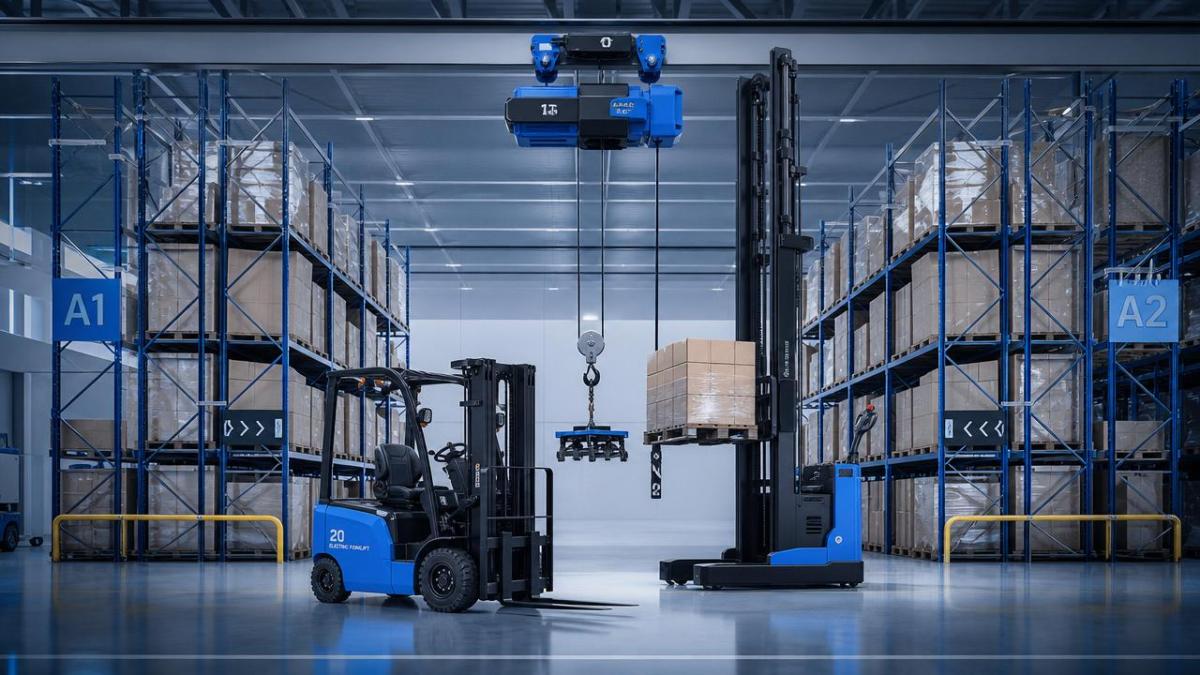
For many decision-makers, warehouse profit seems to depend mainly on labor rates, rent, and sales velocity. In practice, material handling equipment often sits at the center of all three. The wrong truck, lift, or hoist can slow order cycles, damage inventory, increase maintenance downtime, and create compliance risk that erodes margins.
The business case is not limited to purchase price. Evaluators need to assess aisle utilization, lifting height, duty cycle, battery strategy, operator safety, serviceability, and export compliance. A cheaper fleet can become the more expensive option if it requires more operators, more floor space, more repairs, or more unplanned stoppages.
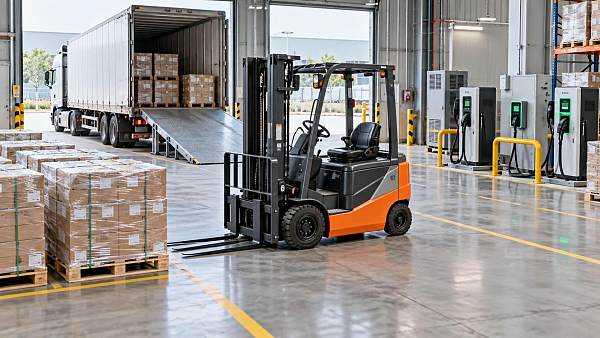
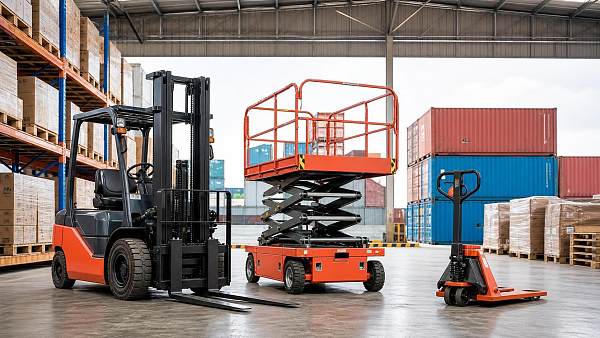
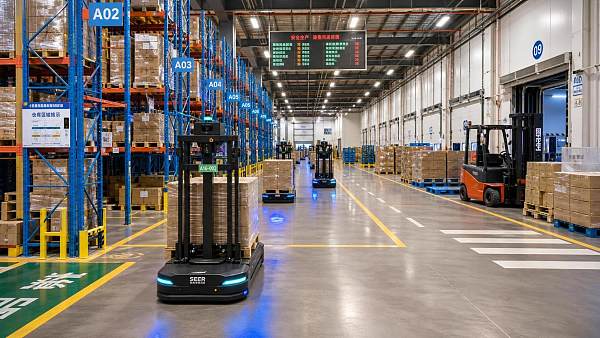
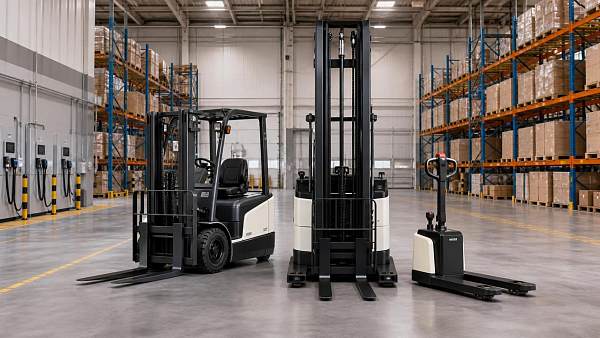
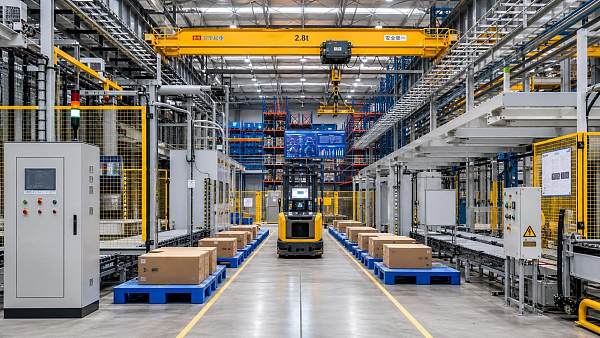
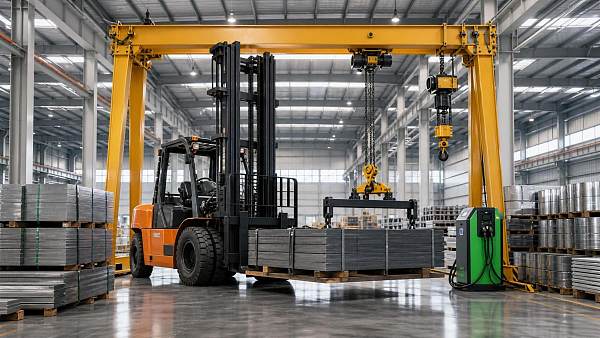
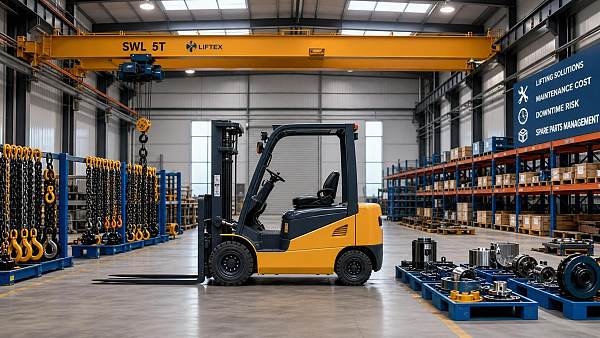
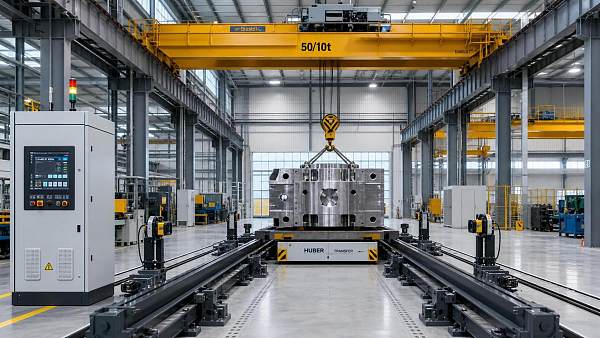
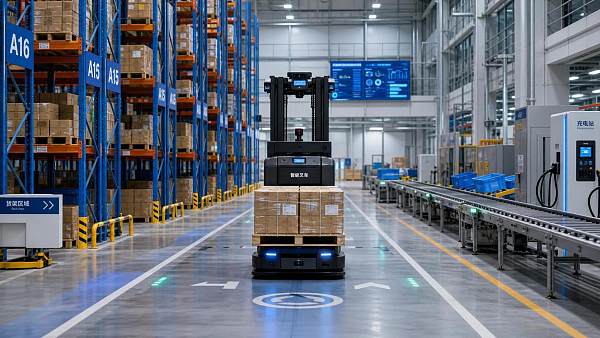
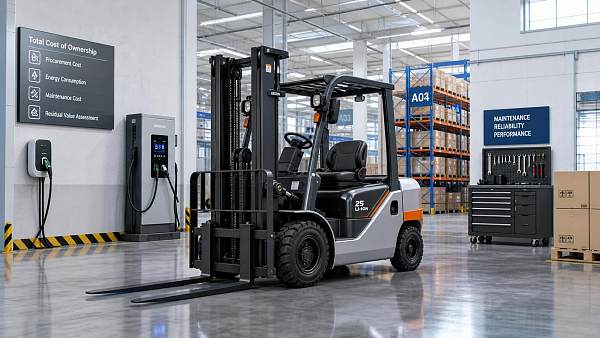
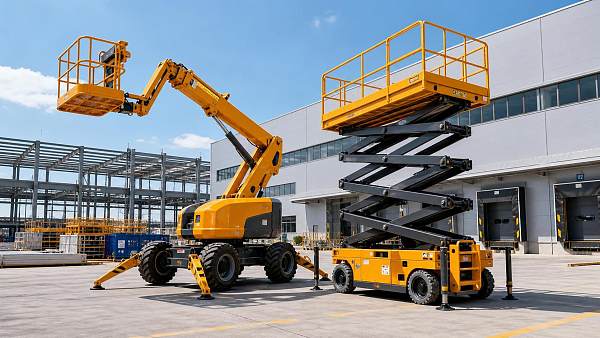
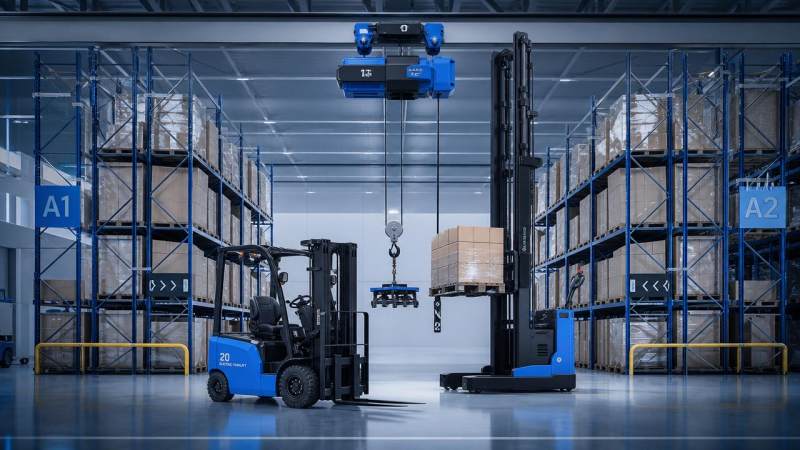
This is where a structured view of material handling equipment matters. MHLE focuses on the last operational meters where profit is won or lost: counterbalance forklifts for dock and yard movement, reach trucks and stackers for high-density storage, overhead cranes for heavy workshops, aerial work platforms for safe access, and smart hoists for precise lifting execution.
- Throughput effect: faster pallet travel and lift cycles raise daily output without necessarily expanding labor headcount.
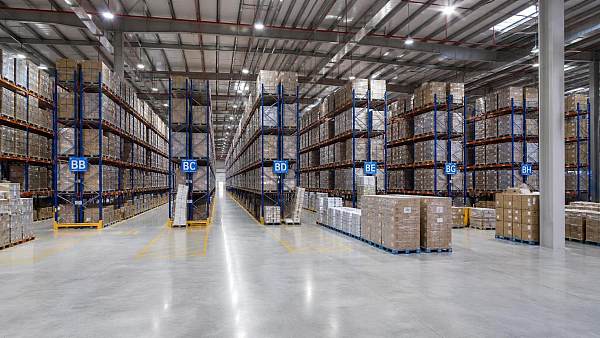
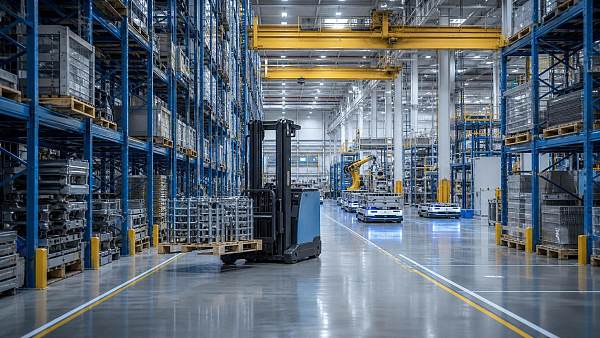
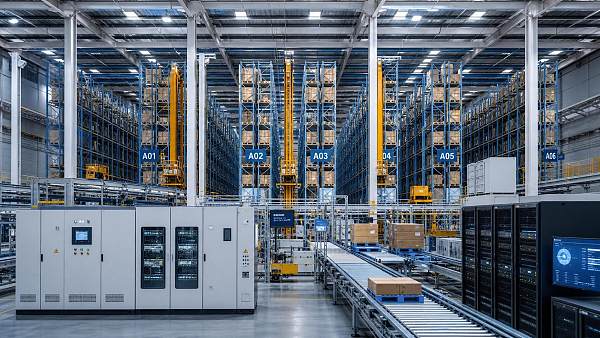
- Space effect: narrow-aisle and high-lift solutions can postpone facility expansion by using vertical cube more effectively.
- Risk effect: anti-rollover, anti-sway, and access-safety features reduce incident exposure and related disruption.
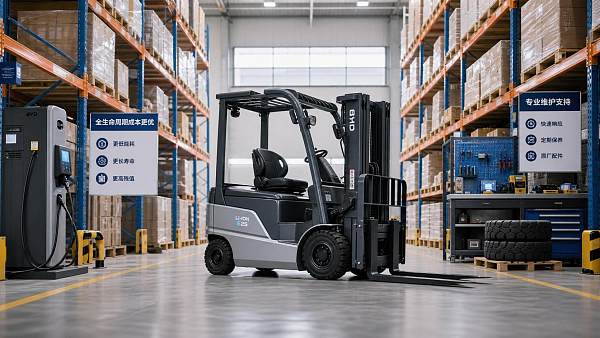
- Lifecycle effect: electrification, energy recovery, and lower service burden can improve long-term operating cost.
Which equipment category fits which warehouse or industrial scenario?
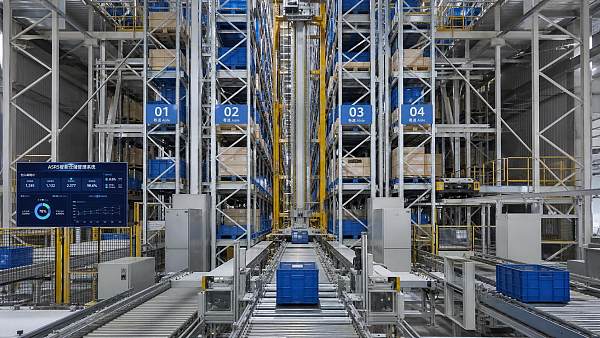
Business evaluators often compare machines that are not direct substitutes. A dock-intensive operation has different needs from an ASRS-linked warehouse or a fabrication plant. The table below helps map material handling equipment to practical use cases, cost drivers, and evaluation logic.
The key takeaway is simple: material handling equipment should be matched to workflow geometry, not bought as a generic fleet. Companies that align equipment with the exact handling task usually see better inventory flow, fewer bottlenecks, and stronger asset productivity.
Scenario-based judgment points for evaluators
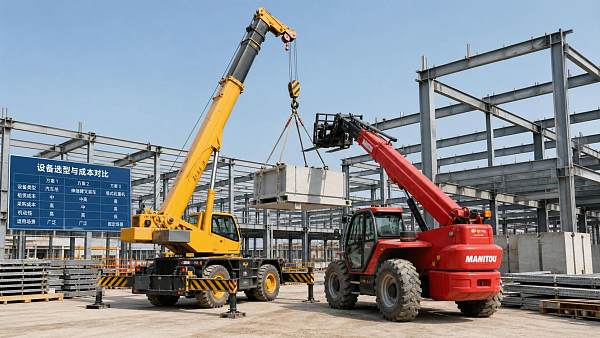
If pallet turnover is high but travel distance is moderate, electric forklifts with fast charging may outperform internal combustion units on total cost. If land cost is rising, high-lift stackers and reach trucks may unlock more value than adding square meters. If the operation handles large fabricated parts, cranes may reduce floor-level congestion better than adding more mobile vehicles.
How should business evaluators compare cost beyond purchase price?
A frequent mistake in material handling equipment procurement is treating capital expenditure as the main decision factor. In reality, the profit effect comes from lifecycle cost and revenue protection. Downtime, battery swaps, tire wear, aisle redesign, operator training, and compliance events can outweigh an initial price difference.
The comparison below outlines the hidden cost areas that deserve attention during business evaluation, especially when comparing electrified equipment with conventional alternatives.
When lifecycle cost is modeled correctly, the decision often shifts from “Which machine is cheapest?” to “Which material handling equipment protects margin over five to eight years?” That is a better question for finance, operations, and risk teams alike.
What technical performance factors matter most in real procurement?
Technical data only becomes useful when tied to operational consequences. Evaluators should not review specifications as a checklist alone. They should connect each parameter to a cost, safety, or throughput outcome.
Forklifts and stackers
- Rated capacity versus residual capacity at lift height: a truck that meets ground-level capacity may underperform in high-bay work.
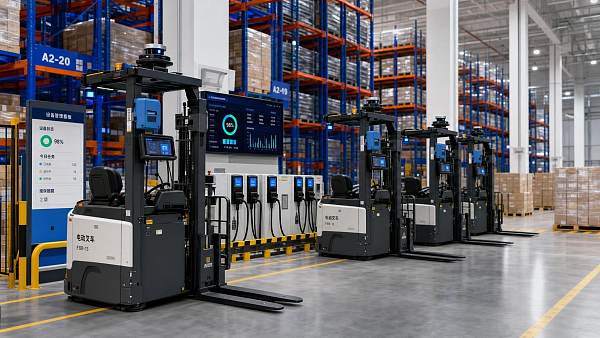
- Battery architecture and charging window: Li-ion systems can support high uptime where multi-shift work leaves little room for battery changeover.
- Turning radius and aisle requirement: these directly influence slot density and warehouse redesign economics.
Cranes and hoists
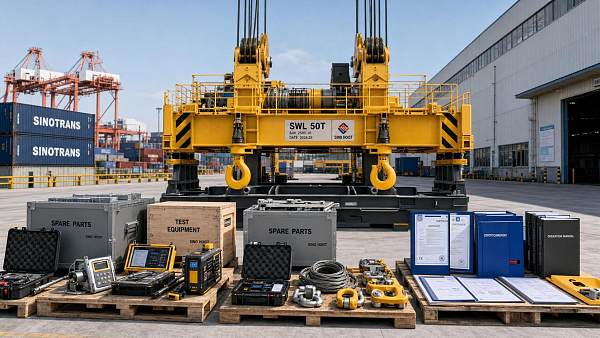
- Duty classification, span, and lifting speed determine whether the crane supports production rhythm or becomes a bottleneck.
- Electronic anti-sway and closed-loop VFD control can reduce settling time and improve placement precision for heavy loads.
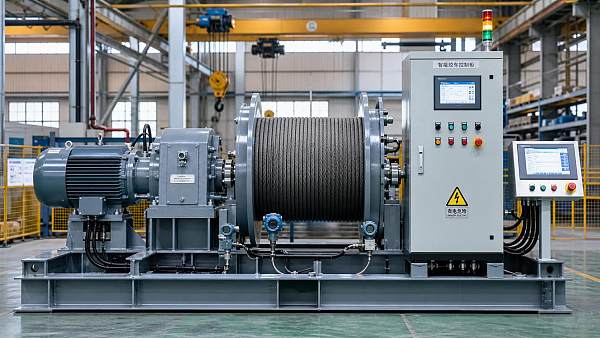
- Hoist selection should consider rope or chain type, environment, and positioning accuracy, especially in assembly or hazardous zones.
AWPs and scissor lifts
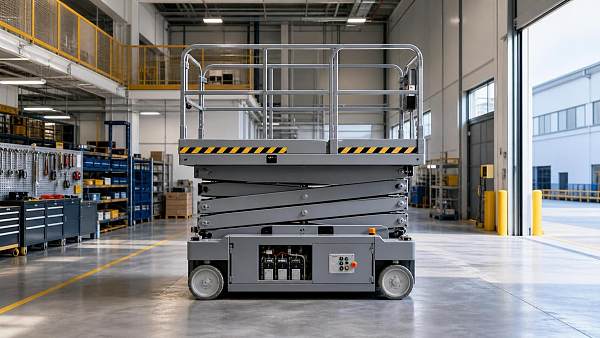
- Platform height alone is not enough; outreach, terrain adaptability, and auto-leveling may decide whether the machine is usable on site.
- For rental-heavy or maintenance-heavy environments, low-maintenance electric platforms can improve fleet availability and simplify scheduling.
MHLE’s technical perspective is valuable because it links engineering details with business outcomes. Anti-rollover algorithms, energy recovery behavior, and anti-sway control are not abstract technologies; they directly affect uptime, incident exposure, and utilization rates.
How can you build a practical material handling equipment selection process?
A disciplined evaluation process prevents overbuying, under-specifying, or choosing equipment that looks efficient in isolation but fails in the actual workflow. The most reliable selection method starts with movement data and ends with implementation planning.
- Define load profile: pallet dimensions, unit weight, lift height, travel distance, and required cycles per shift.
- Map site constraints: aisle width, dock configuration, rack height, floor condition, slope, and indoor-outdoor transitions.
- Identify compliance boundaries: OSHA-related practices, CE expectations for export, local inspection routines, and documentation needs.
- Compare operating models: owned fleet, leased fleet, or mixed fleet depending on utilization variability and capital policy.
- Stress-test service assumptions: spare parts access, maintenance windows, operator training demand, and seasonal peaks.
For business evaluators, this process also improves internal alignment. Finance can quantify payback, operations can validate workflow fit, EHS can review risk exposure, and procurement can negotiate from a clearer technical baseline.
What compliance and safety issues are too costly to ignore?
Material handling equipment decisions should never be separated from safety governance. Inspection gaps, poor stability margins, or weak documentation can delay projects, disrupt exports, or increase liability in the event of an incident. This matters even more when companies operate across multiple jurisdictions.
The table below summarizes common compliance checkpoints that frequently affect procurement approval and deployment timing.
MHLE’s Strategic Intelligence Center is especially relevant here because procurement decisions increasingly need engineering interpretation, not just catalog comparison. Understanding how regulations, inspection expectations, and control systems interact can prevent expensive mistakes before equipment is ordered.
Where do companies usually make the wrong call?
Even experienced buyers can misjudge material handling equipment when they focus on one metric and ignore system effects. These errors are common across warehousing, manufacturing, and logistics hubs.
- Buying for peak load only: this can oversize the fleet and lower utilization in normal periods.
- Ignoring infrastructure readiness: charging layout, floor tolerance, rack clearance, and crane runway conditions can reshape total project cost.
- Treating safety systems as optional extras: anti-sway, auto-leveling, and stability features often protect far more value than their added price.
- Comparing machines without a common duty cycle: a light-duty price should not be benchmarked against a heavy-duty operational requirement.
The best safeguard is to assess the full movement chain. A warehouse may not need more machines; it may need better-matched machines with better control logic and a more efficient deployment plan.
FAQ: practical questions business evaluators often ask
How do I know whether electric forklifts are better than IC forklifts for my site?
Start with duty cycle, ventilation conditions, and indoor-outdoor usage. Electric forklifts often make sense for indoor, multi-shift, and lower-maintenance operations, especially where fast charging or Li-ion systems support uptime. IC units may still fit harsher outdoor or very heavy-duty applications, but evaluators should model fuel, emissions handling, and service impact carefully.
Are reach trucks and stackers mainly a space-saving investment?
Space saving is a major benefit, but not the only one. In high-bay storage, the right reach truck or stacker can improve pick access, reduce unnecessary travel, and support denser slotting strategy. The real value appears when higher storage density delays expansion or improves stock availability within the same footprint.
What should I review before approving crane or hoist procurement?
Review structural compatibility, load spectrum, duty class, control precision, inspection expectations, and operator environment. For sensitive positioning or heavy fabrication, anti-sway and VFD-based control deserve special attention because they affect both safety and cycle time.
How important are certification and inspection requirements during equipment selection?
They are critical because they influence deployment timing, export readiness, insurance posture, and ongoing legal exposure. Evaluators should ask early which standards, documentation sets, and inspection practices apply in the target market instead of trying to resolve compliance after equipment arrival.
Why choose us for material handling equipment intelligence and evaluation support?
MHLE is built for professionals who need more than brochures. We focus on the equipment systems that shape the last ten meters of real industrial movement: forklifts, high-level stackers, cranes, AWPs, and smart hoists. Our value lies in connecting handling mechanics with business judgment.
If you are evaluating material handling equipment for a new warehouse, a retrofit, an export program, or a fleet upgrade, you can consult us on practical issues such as parameter confirmation, scenario-based product selection, delivery lead-time considerations, electrification strategy, compliance requirements, and lifecycle ROI comparison.
- Need help comparing forklift, reach truck, crane, or lift configurations for a specific workflow?
- Need support reviewing safety, inspection, CE-related, or elevated-work compliance expectations?
- Need a clearer view of delivery timing, operating cost, or custom solution fit for your facility?
Contact us with your load data, site layout, target throughput, and certification questions. We can help turn material handling equipment selection into a financially defensible decision rather than a trial-and-error purchase.
Recommended News
 Sep 11, 2026What drives rental equipment total cost of ownership beyond the daily rate?Rental equipment total cost of ownership goes beyond daily rates. Discover how transport, downtime, energy, labor, compliance, and off-rent control shape smarter rental decisions.
 Sep 02, 2026What determines warehouse stacking systems price for a new warehouse?Warehouse stacking systems price depends on density, loads, aisle design, forklifts, installation, safety, and lifecycle costs. Compare smarter for your new warehouse.
 Aug 26, 2026What drives ASRS integration pricing in warehouse automation projectsASRS integration pricing depends on software scope, site conditions, throughput goals, and risk allocation—not just equipment. Learn what really drives costs and compare bids with confidence.
 Aug 25, 2026When does renting logistics equipment in India cost less than buying?Logistics equipment India: Learn when renting costs less than buying by comparing utilization, maintenance, downtime, cash flow, and project flexibility for smarter decisions.
 Aug 19, 2026When does AGV warehouse systems integration pay off in existing facilities?AGV warehouse systems integration pays off when repetitive pallet moves, labor shortages, and safety costs hurt performance. Learn when retrofitting existing facilities delivers ROI.
 Aug 16, 2026What drives logistics equipment price in warehouse projects?Logistics equipment price in warehouse projects depends on capacity, power, safety, and automation—learn what really drives cost and make smarter buying decisions.
 Aug 03, 2026Scissor Lifts Price Breakdown: What Changes Cost by Height, Power, and Duty CycleScissor lifts price explained by height, power source, platform capacity, and duty cycle. Learn what really changes cost and compare quotes with confidence before you buy.
 Jul 30, 2026How Forklift Fleet Technology Cuts Downtime and Lowers Total CostForklift fleet technology helps reduce downtime, improve utilization, and lower total cost with smarter maintenance, battery control, and fleet visibility. Learn what buyers should evaluate.
 Jul 27, 2026Smart Winch Systems Cost: What Drives Total Price in 2026?Smart winch systems cost in 2026 depends on more than unit price. Explore key drivers like controls, safety, installation, and lifecycle support to budget smarter.
 Jul 21, 2026Industrial Automation Integration: Cost Drivers and ROI BenchmarksIndustrial automation integration costs are shaped by controls, software, retrofits, and downtime. Explore key ROI benchmarks, payback ranges, and practical ways to evaluate project value.
 Jul 18, 2026Material Handling Market Growth: Key Cost and Demand Signals for 2026Material handling market growth in 2026 is driven by labor costs, electrification, automation, and safety compliance. Discover key demand signals shaping smarter equipment investments.
 Jul 17, 2026Warehouse Automation Solutions with IoT: Costs, ROI, and Key Integration RisksWarehouse automation solutions with IoT: explore real costs, ROI timelines, and key integration risks to cut downtime, improve visibility, and choose the right system with confidence.
 Jul 15, 2026Heavy Lifting Equipment Price: What Drives Total Cost in 2026Heavy lifting equipment price in 2026 depends on more than the purchase quote. Learn the hidden cost drivers, lifecycle risks, and smart ways to compare offers before you buy.
 Jul 13, 2026Lifting Equipment Maintenance Cost: Budget Risks to WatchLifting equipment maintenance cost can quietly derail budgets. Learn the hidden risks, downtime drivers, and smart ways to control spend before the next budget cycle.
 Jul 13, 2026Heavy Load Positioning Systems Price: What Drives Total Cost?Heavy load positioning systems price depends on more than equipment cost. Learn the key drivers, hidden expenses, and how to compare quotes for safer, smarter investment decisions.
 Jul 11, 2026What to Check Before Choosing an Unmanned Material Handling CompanyUnmanned material handling company selection starts with the right checks. Learn how to evaluate safety, integration, service, and ROI before you choose a supplier.
 Jul 09, 2026Automated Warehousing Supplier Checklist: Integration, Uptime, and Expansion CostsAutomated warehousing supplier checklist covering integration, uptime, and expansion costs. Learn how to compare vendors, reduce risk, and protect long-term ROI.
 Jul 09, 2026How to Evaluate a Heavy Lifting Equipment Supplier for Long-Term Project RiskHeavy lifting equipment supplier evaluation starts with risk, not price. Learn how to assess safety, service, compliance, and long-term project reliability before you buy.
 Jul 08, 2026Lifting Equipment for Construction: What to Compare Before You Rent or BuyLifting equipment for construction: compare load capacity, site conditions, compliance, uptime, and total cost before you rent or buy to reduce risk and improve project ROI.
 Jul 07, 2026Forklift Lifecycle ROI: Cost Drivers That Change Long-Term OwnershipForklift lifecycle ROI starts beyond the purchase price. Discover how battery strategy, maintenance, downtime, safety, and resale value shape smarter long-term ownership decisions.
![]() Jul 06, 2026Port Material Handling Operations: Where Delays and Costs Usually StartPort material handling operations often lose time and money before cargo even moves. Discover where delays begin, what drives hidden costs, and how smarter equipment choices improve throughput.
Jul 06, 2026Port Material Handling Operations: Where Delays and Costs Usually StartPort material handling operations often lose time and money before cargo even moves. Discover where delays begin, what drives hidden costs, and how smarter equipment choices improve throughput. Jul 05, 2026Industrial Forklifts Cost Breakdown: Purchase, Energy, Maintenance, and ResaleIndustrial forklifts cost goes beyond the sticker price. Compare purchase, energy, maintenance, downtime, and resale value to choose the most cost-effective forklift.
 Jul 02, 2026How to Evaluate a Construction Access Equipment Manufacturer in 2026Construction access equipment manufacturer selection in 2026 goes beyond specs. Learn how to compare safety, compliance, service, telematics, and lifecycle cost for smarter buying decisions.
 Jul 01, 2026Automated Storage and Retrieval Systems Cost BreakdownAutomated storage and retrieval systems cost explained clearly: compare cost drivers, hidden expenses, ROI factors, and system price ranges before approving your warehouse automation budget.