Search News
Industry Portal
Popular Tags
Heavy Lifting Systems: Compare Options and Lifecycle Cost
Author
Time
Click Count
Heavy Lifting Systems: Compare Options and Lifecycle Cost
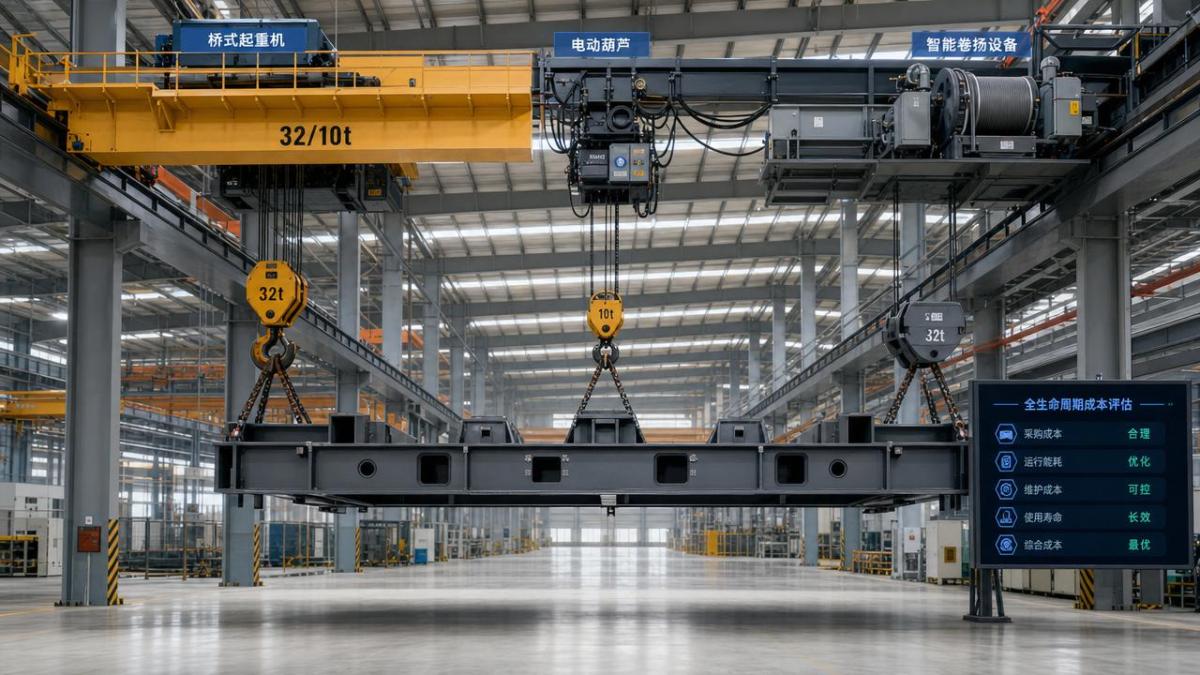
Choosing among heavy lifting systems is rarely a capacity-only decision.
The real question is which system delivers safe uptime at the lowest total cost over years of use.
That is why heavy lifting systems should be compared through a lifecycle cost lens, not a price-tag lens.
In practice, the wrong choice often creates hidden expenses in installation, maintenance, training, spare parts, and downtime.
The better choice may cost more upfront but reduce failure risk, improve load control, and support future production changes.
For industrial buyers, the smartest path is to compare cranes, hoists, winches, and automated solutions against real operating conditions.
This makes heavy lifting systems easier to justify internally and easier to manage after installation.
What Falls Under Heavy Lifting Systems
Heavy lifting systems cover several equipment categories, and each one fits a different handling pattern.
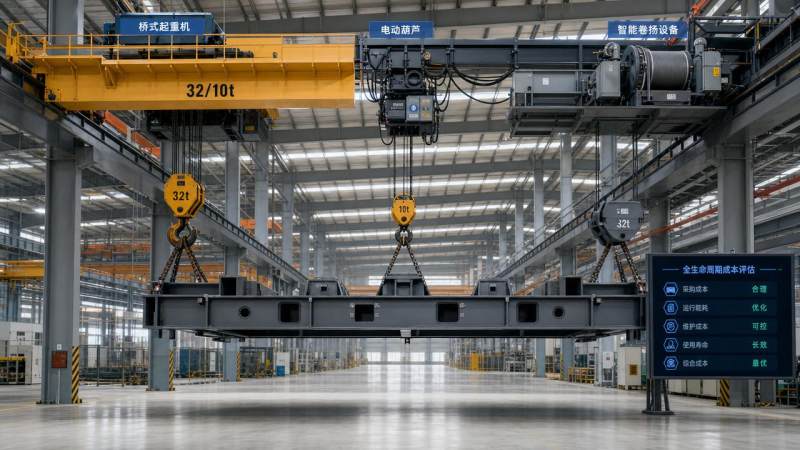
Common options include overhead cranes, gantry cranes, electric hoists, chain hoists, wire rope hoists, smart winches, and automated lifting systems.
Some systems are built for repetitive indoor production lifting.
Others are better for yard handling, shipyards, maintenance operations, or remote load positioning.
From a cost perspective, matching motion type to the task matters more than buying the strongest machine available.
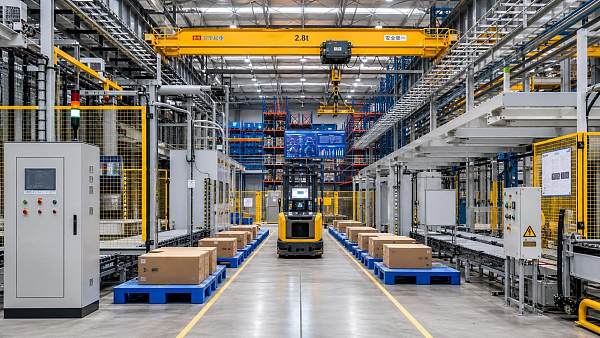
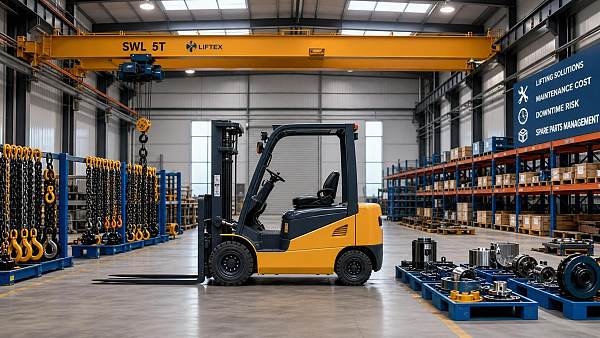
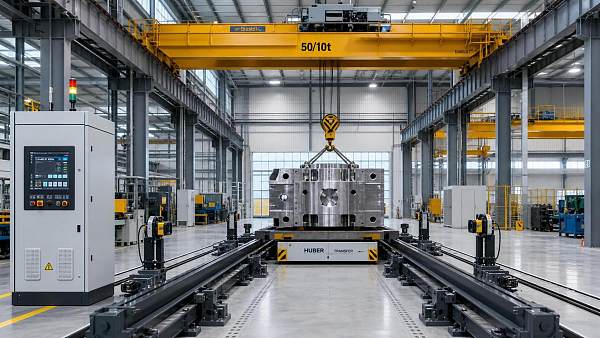
- Overhead cranes suit fixed bays with frequent horizontal movement.
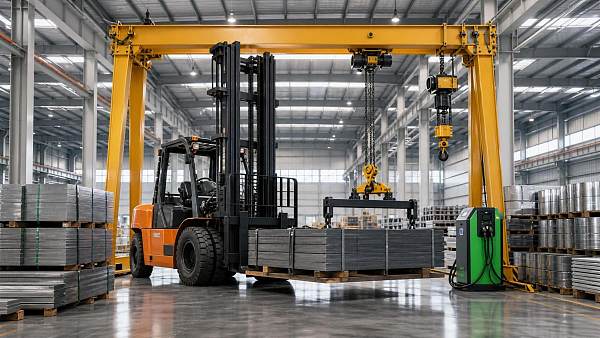
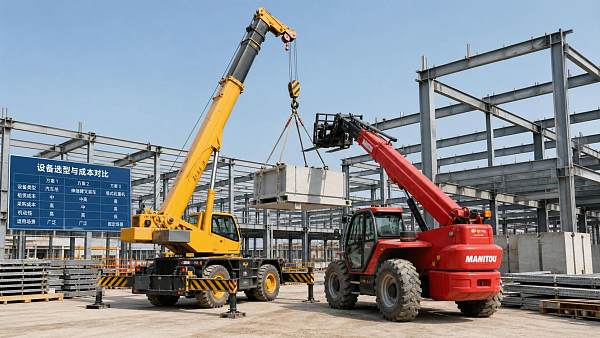
- Gantry cranes work well where building support is limited or outdoor travel is required.
- Electric hoists fit localized lifting points and modular workstation layouts.
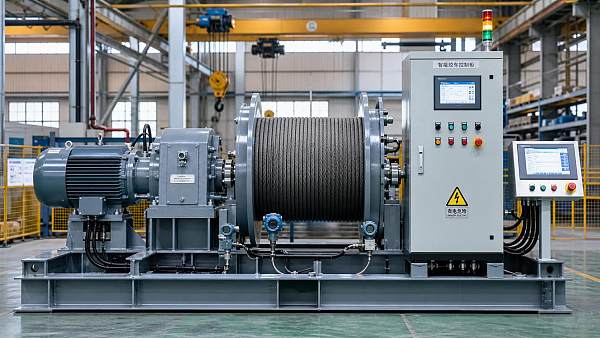
- Smart winches support pulling, positioning, and controlled lifting in variable environments.
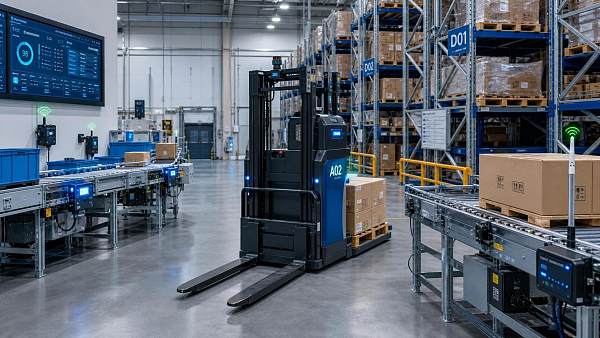
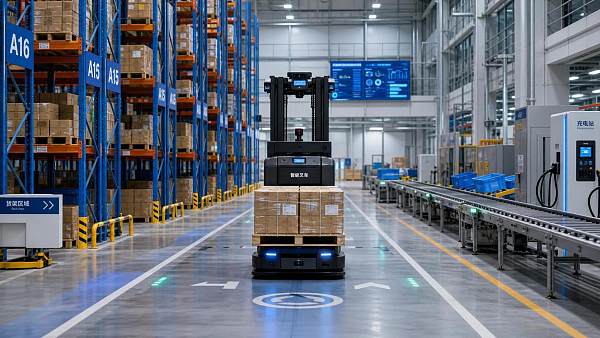
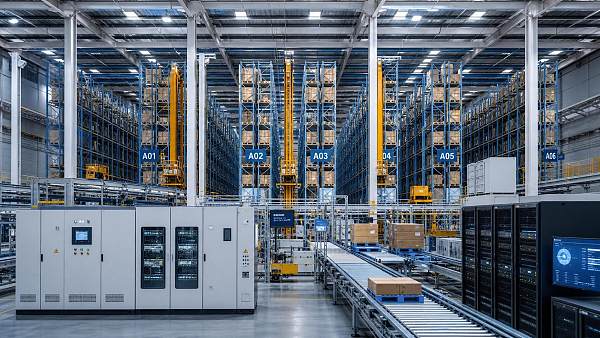
- Automated lifting systems make sense when repeatability and labor efficiency drive the business case.
This is where many comparisons go wrong.
Different heavy lifting systems may share similar rated loads while creating very different ownership profiles.
How to Compare Heavy Lifting Systems Beyond Capacity
Rated capacity is only the starting point.
A useful comparison framework should include duty cycle, lift height, span, travel path, positioning precision, and expected daily utilization.
It should also include installation constraints, operator skill level, and local inspection requirements.
Key technical factors
- Load spectrum, not just maximum load.
- Duty classification for continuous or intermittent use.
- Required positioning accuracy and anti-sway performance.
- Indoor or outdoor exposure, including dust, salt, and temperature.
- Power supply stability and energy efficiency.
- Integration with sensors, fleet software, or automated controls.
Key business factors
- Installation shutdown time and site modification cost.
- Maintenance frequency and spare part availability.
- Training demand and operator error risk.
- Local service coverage and response time.
- Residual value and upgrade flexibility.
When these factors are scored together, heavy lifting systems become easier to compare on real operating value.
Lifecycle Cost: Where Heavy Lifting Systems Really Differ
Lifecycle cost is usually where the best decision becomes visible.
A lower purchase price can be erased quickly by service calls, production delays, structural upgrades, or inefficient energy use.
For most heavy lifting systems, total ownership cost includes five layers.
- Acquisition cost, including controls and accessories.
- Installation cost, including rails, runway beams, foundations, or electrical work.
- Operating cost, including power use and labor efficiency.
- Maintenance cost, including inspections, wear parts, and emergency repairs.
- Downtime cost, including missed output and recovery labor.
Downtime often becomes the most expensive line item, especially in multi-shift manufacturing or port operations.
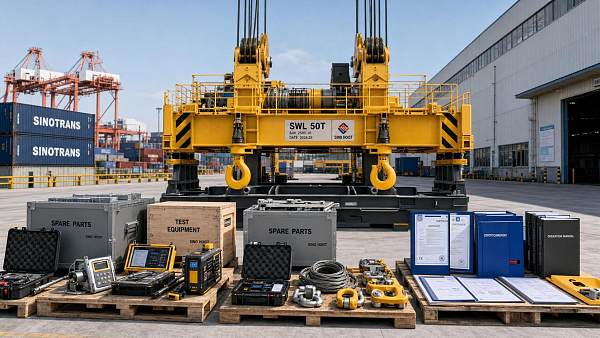
That is why condition monitoring, overload protection, and easy-to-source components matter so much.
More buyers now compare heavy lifting systems with a seven-to-ten-year horizon instead of a one-year budget view.
Simple lifecycle cost comparison table
Common Procurement Risks and How to Reduce Them
The largest risk is buying heavy lifting systems around an ideal scenario instead of an actual one.
Loads may vary, operators may change, and the building may limit what can be installed safely.
A practical procurement process should test assumptions early.
- Verify actual load dimensions, center of gravity, and handling frequency.
- Review site drawings, clearances, floor condition, and power supply.
- Ask for duty classification, not only rated capacity.
- Check compliance with OSHA, CE, or relevant local standards.
- Confirm spare part lead times and service network depth.
- Request references from similar applications, not generic installations.
Another common issue is underestimating controls.
Features such as variable frequency drives, anti-sway logic, overload protection, and remote diagnostics can raise purchase cost.
Still, these features often lower lifecycle cost by reducing impact loads, operator mistakes, and unscheduled downtime.
When Automated Heavy Lifting Systems Make Financial Sense
Automation is not always the right answer, but it is no longer a niche option.
More facilities are evaluating automated heavy lifting systems because labor stability, safety targets, and throughput consistency have become harder to manage.
The financial case usually improves when moves are repetitive and the cost of a handling error is high.
- High-volume production lines with repeatable load paths.
- Hazardous environments where human exposure should be reduced.
- Facilities requiring data capture, traceability, and predictive maintenance.
- Operations where product damage from swing or misalignment is costly.
In these cases, automated heavy lifting systems may deliver better uptime and lower incident risk than conventional equipment.
The key is to compare software support, sensor reliability, integration scope, and recovery procedures during faults.
A Practical Checklist for Final Selection
Before final approval, it helps to score heavy lifting systems against the same decision matrix.
This keeps the process objective and protects against low-price bias.
- Application fit: load type, movement path, duty cycle, and environment.
- Safety fit: braking, overload control, anti-sway, visibility, and compliance readiness.
- Cost fit: purchase, installation, maintenance, energy, and downtime exposure.
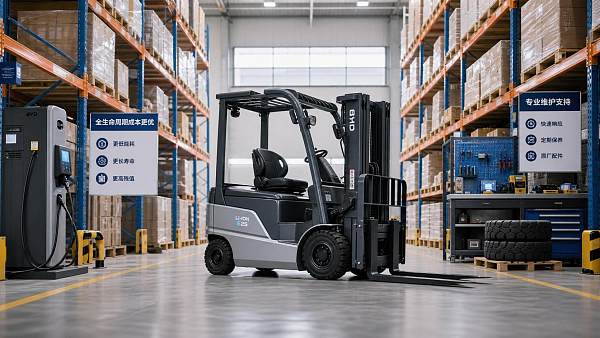
- Service fit: response time, technician access, parts stock, and training support.
- Future fit: expansion potential, digital connectivity, and retrofit options.
The strongest proposal is usually not the one with the highest specification sheet.
It is the one that balances performance, maintainability, service access, and lifecycle cost under real site conditions.
That balance is what turns heavy lifting systems into durable business assets rather than recurring cost problems.
Start with the application, validate the hidden costs, and compare heavy lifting systems on long-term operating value. That approach consistently leads to better purchasing decisions.
Recommended News
 Sep 11, 2026What drives rental equipment total cost of ownership beyond the daily rate?Rental equipment total cost of ownership goes beyond daily rates. Discover how transport, downtime, energy, labor, compliance, and off-rent control shape smarter rental decisions.
 Sep 02, 2026What determines warehouse stacking systems price for a new warehouse?Warehouse stacking systems price depends on density, loads, aisle design, forklifts, installation, safety, and lifecycle costs. Compare smarter for your new warehouse.
 Aug 26, 2026What drives ASRS integration pricing in warehouse automation projectsASRS integration pricing depends on software scope, site conditions, throughput goals, and risk allocation—not just equipment. Learn what really drives costs and compare bids with confidence.
 Aug 25, 2026When does renting logistics equipment in India cost less than buying?Logistics equipment India: Learn when renting costs less than buying by comparing utilization, maintenance, downtime, cash flow, and project flexibility for smarter decisions.
 Aug 19, 2026When does AGV warehouse systems integration pay off in existing facilities?AGV warehouse systems integration pays off when repetitive pallet moves, labor shortages, and safety costs hurt performance. Learn when retrofitting existing facilities delivers ROI.
 Aug 16, 2026What drives logistics equipment price in warehouse projects?Logistics equipment price in warehouse projects depends on capacity, power, safety, and automation—learn what really drives cost and make smarter buying decisions.
 Aug 03, 2026Scissor Lifts Price Breakdown: What Changes Cost by Height, Power, and Duty CycleScissor lifts price explained by height, power source, platform capacity, and duty cycle. Learn what really changes cost and compare quotes with confidence before you buy.
 Jul 30, 2026How Forklift Fleet Technology Cuts Downtime and Lowers Total CostForklift fleet technology helps reduce downtime, improve utilization, and lower total cost with smarter maintenance, battery control, and fleet visibility. Learn what buyers should evaluate.
 Jul 27, 2026Smart Winch Systems Cost: What Drives Total Price in 2026?Smart winch systems cost in 2026 depends on more than unit price. Explore key drivers like controls, safety, installation, and lifecycle support to budget smarter.
 Jul 21, 2026Industrial Automation Integration: Cost Drivers and ROI BenchmarksIndustrial automation integration costs are shaped by controls, software, retrofits, and downtime. Explore key ROI benchmarks, payback ranges, and practical ways to evaluate project value.
 Jul 18, 2026Material Handling Market Growth: Key Cost and Demand Signals for 2026Material handling market growth in 2026 is driven by labor costs, electrification, automation, and safety compliance. Discover key demand signals shaping smarter equipment investments.
 Jul 17, 2026Warehouse Automation Solutions with IoT: Costs, ROI, and Key Integration RisksWarehouse automation solutions with IoT: explore real costs, ROI timelines, and key integration risks to cut downtime, improve visibility, and choose the right system with confidence.
 Jul 15, 2026Heavy Lifting Equipment Price: What Drives Total Cost in 2026Heavy lifting equipment price in 2026 depends on more than the purchase quote. Learn the hidden cost drivers, lifecycle risks, and smart ways to compare offers before you buy.
 Jul 13, 2026Lifting Equipment Maintenance Cost: Budget Risks to WatchLifting equipment maintenance cost can quietly derail budgets. Learn the hidden risks, downtime drivers, and smart ways to control spend before the next budget cycle.
 Jul 13, 2026Heavy Load Positioning Systems Price: What Drives Total Cost?Heavy load positioning systems price depends on more than equipment cost. Learn the key drivers, hidden expenses, and how to compare quotes for safer, smarter investment decisions.
 Jul 11, 2026What to Check Before Choosing an Unmanned Material Handling CompanyUnmanned material handling company selection starts with the right checks. Learn how to evaluate safety, integration, service, and ROI before you choose a supplier.
 Jul 09, 2026Automated Warehousing Supplier Checklist: Integration, Uptime, and Expansion CostsAutomated warehousing supplier checklist covering integration, uptime, and expansion costs. Learn how to compare vendors, reduce risk, and protect long-term ROI.
 Jul 09, 2026How to Evaluate a Heavy Lifting Equipment Supplier for Long-Term Project RiskHeavy lifting equipment supplier evaluation starts with risk, not price. Learn how to assess safety, service, compliance, and long-term project reliability before you buy.
 Jul 08, 2026Lifting Equipment for Construction: What to Compare Before You Rent or BuyLifting equipment for construction: compare load capacity, site conditions, compliance, uptime, and total cost before you rent or buy to reduce risk and improve project ROI.
 Jul 07, 2026Forklift Lifecycle ROI: Cost Drivers That Change Long-Term OwnershipForklift lifecycle ROI starts beyond the purchase price. Discover how battery strategy, maintenance, downtime, safety, and resale value shape smarter long-term ownership decisions.
![]() Jul 06, 2026Port Material Handling Operations: Where Delays and Costs Usually StartPort material handling operations often lose time and money before cargo even moves. Discover where delays begin, what drives hidden costs, and how smarter equipment choices improve throughput.
Jul 06, 2026Port Material Handling Operations: Where Delays and Costs Usually StartPort material handling operations often lose time and money before cargo even moves. Discover where delays begin, what drives hidden costs, and how smarter equipment choices improve throughput. Jul 05, 2026Industrial Forklifts Cost Breakdown: Purchase, Energy, Maintenance, and ResaleIndustrial forklifts cost goes beyond the sticker price. Compare purchase, energy, maintenance, downtime, and resale value to choose the most cost-effective forklift.
 Jul 02, 2026How to Evaluate a Construction Access Equipment Manufacturer in 2026Construction access equipment manufacturer selection in 2026 goes beyond specs. Learn how to compare safety, compliance, service, telematics, and lifecycle cost for smarter buying decisions.
 Jul 01, 2026Automated Storage and Retrieval Systems Cost BreakdownAutomated storage and retrieval systems cost explained clearly: compare cost drivers, hidden expenses, ROI factors, and system price ranges before approving your warehouse automation budget.