Search News
Industry Portal
Popular Tags
Facility Maintenance Platforms Cost: What Shapes Total Ownership?
Author
Time
Click Count
Facility Maintenance Platforms Cost: What Shapes Total Ownership?
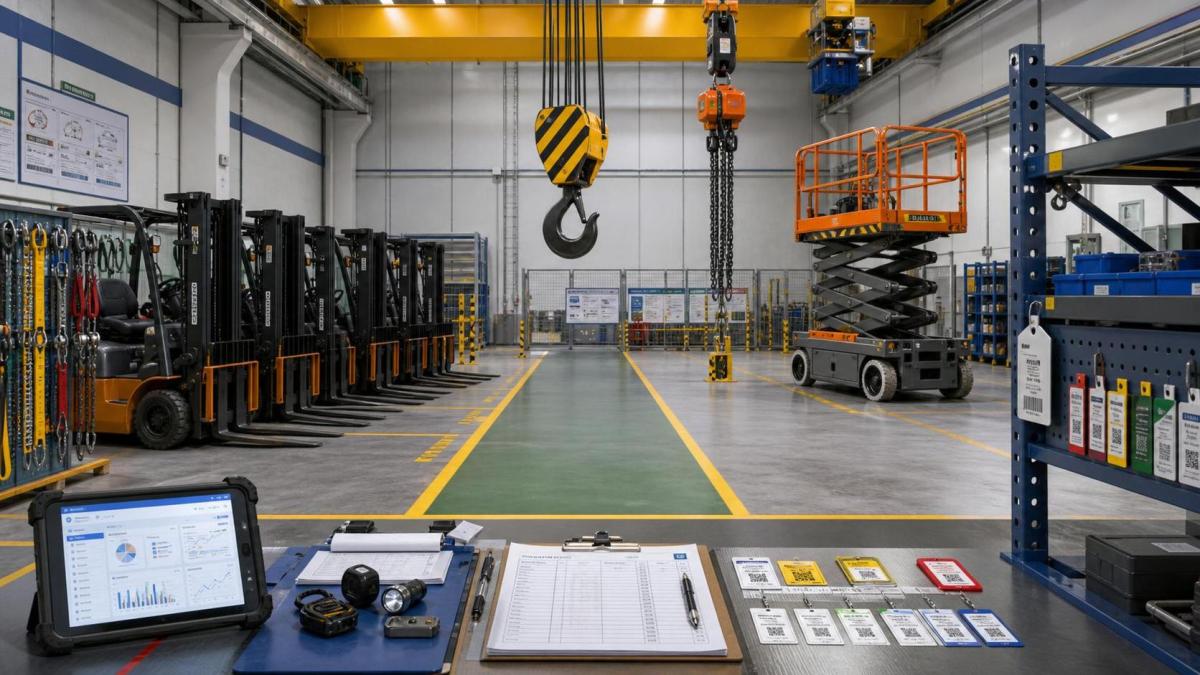
For many companies, facility maintenance platforms cost looks simple at first glance. The subscription fee seems easy to compare. The real decision is rarely that simple.
Total ownership includes setup, integration, training, support, reporting, process change, and future scaling. That is where budgets often move off plan.
In practical terms, the platform must fit how work orders move, how inspections are logged, and how assets stay compliant across sites.
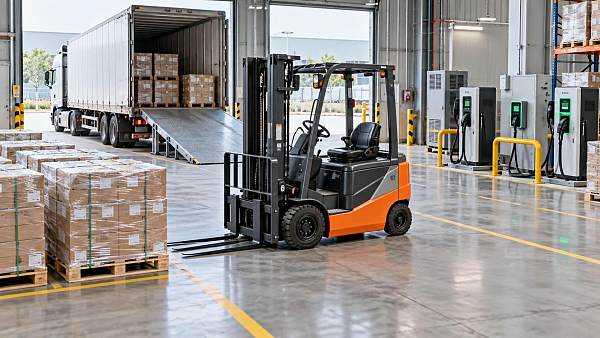
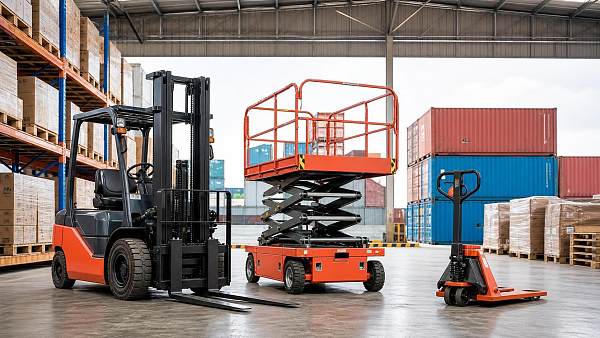
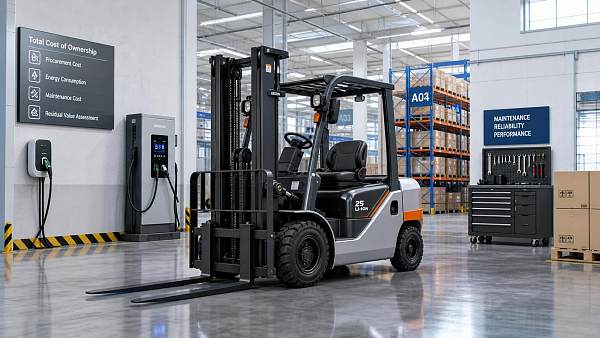
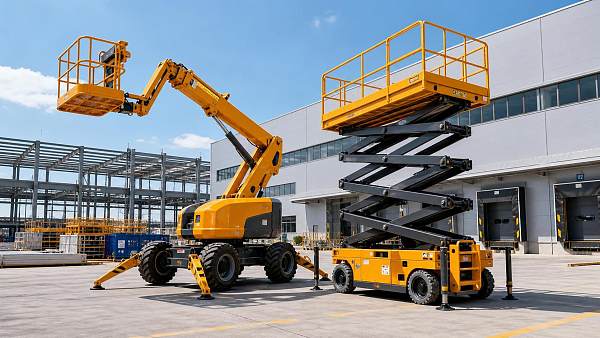
This matters even more in operations using forklifts, hoists, aerial work platforms, cranes, and other material handling assets that demand uptime and traceability.
A lower quote can still produce a higher facility maintenance platforms cost over three to five years. Hidden labor and weak adoption usually create that gap.
A better approach is to evaluate cost by ownership drivers, not by license alone. That gives a more realistic base for approval.
Why headline pricing rarely tells the full story
Most vendors present facility maintenance platforms cost as a monthly or annual number. That helps sales conversations. It does not always help budget accuracy.
A platform may charge by user, by site, by asset count, or by feature tier. Each model shifts cost exposure in different ways.
For example, a user-based model may look attractive during pilot rollout. Costs rise quickly when maintenance teams, contractors, supervisors, and compliance staff need access.
An asset-based model can work well for stable portfolios. It becomes harder to predict when facilities expand or temporary equipment enters the fleet.
This is why smart buyers map pricing against operating reality. The better the fit, the more controllable the long-term facility maintenance platforms cost.
The main drivers behind facility maintenance platforms cost
Several cost drivers shape ownership more than the base contract does. Looking at them early reduces budget surprises later.
1. Deployment model
Cloud deployment usually lowers internal infrastructure burden. It can still bring recurring charges for storage, advanced security, and premium uptime commitments.
On-premise systems may suit stricter control needs. They often require higher upfront spending, more IT involvement, and slower upgrades.
2. Integration depth
Integration is one of the biggest hidden elements in facility maintenance platforms cost. Finance, ERP, procurement, HR, IoT, and BMS connections all carry effort.
If a platform cannot exchange data cleanly, teams create manual workarounds. Those workarounds become ongoing labor cost.
3. Mobile and field workflow complexity
Mobile access sounds standard now. In reality, offline mode, barcode scanning, photo capture, digital signatures, and inspection templates affect implementation complexity.
In warehouses, plants, ports, and large yards, these features are not extras. They define whether the system saves time or creates resistance.
4. Compliance and audit demands
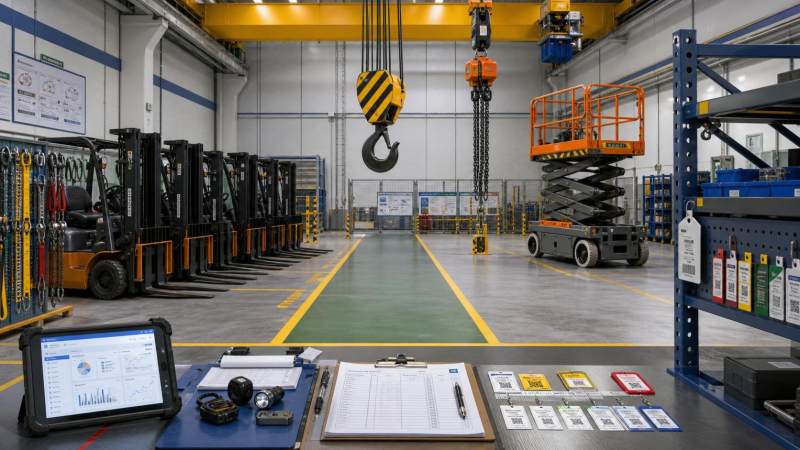
Facilities managing lifting and access equipment often need inspection records, safety checklists, and maintenance histories that stand up to audit review.
That pushes facility maintenance platforms cost higher when custom forms, approval paths, retention rules, or regional compliance settings are required.
5. Reporting and analytics needs
Basic dashboards rarely satisfy capital planning or audit oversight. Decision-makers usually want trend reporting, asset lifecycle views, downtime analysis, and spend visibility.
If advanced reporting sits behind a premium tier, the original facility maintenance platforms cost estimate can quickly become outdated.
Where hidden costs usually appear
Hidden costs are rarely random. They usually appear in a few predictable places. Knowing them makes vendor comparison much sharper.
- Data migration from spreadsheets, legacy CMMS tools, or fragmented site records.
- Template configuration for preventive maintenance, inspections, permits, and recurring service schedules.
- User onboarding across internal teams, service vendors, and temporary operators.
- API fees, middleware licenses, and third-party consulting support.
- Premium support plans needed after go-live issues surface.
- Custom reporting work when standard dashboards miss approval requirements.
These items may seem small alone. Together, they can materially reshape facility maintenance platforms cost during the first year.
More importantly, they affect payback speed. A delayed rollout or weak adoption can erase expected savings for months.
A simple framework for comparing total ownership
When reviewing options, it helps to separate direct platform cost from business operating impact. That creates a cleaner approval model.
This framework keeps discussion grounded. It also helps procurement teams challenge quotes that appear low but exclude major ownership elements.
How equipment-heavy operations should think about cost
In equipment-intensive environments, facility maintenance platforms cost connects directly to uptime, inspection control, and safety exposure.
Consider a site operating forklifts, overhead cranes, electric hoists, and aerial work platforms. Each asset group has different service triggers and compliance records.
If the platform cannot handle those differences well, planners lose visibility. Technicians then spend more time chasing information than completing maintenance.
That is why the best value often comes from fit, not from the lowest license price. Operational friction is expensive, even when it stays off the software invoice.
In short, facility maintenance platforms cost should be judged against reduced downtime, cleaner audits, faster repairs, and more predictable asset planning.
Questions that improve purchasing decisions
A strong approval process depends on clear questions. The goal is not to make buying slower. The goal is to make total ownership visible.
- What exactly is included in the quoted facility maintenance platforms cost?
- How does pricing change if user counts, sites, or asset volumes grow?
- Which integrations are standard, and which require paid services?
- What implementation tasks remain the buyer’s responsibility?
- How are mobile workflows supported in weak-signal or offline environments?
- What reporting features are available without upgrading tiers?
- What support level is needed to keep adoption stable after launch?
These questions turn a pricing discussion into a business case discussion. That shift usually leads to better contracts and fewer surprises.
Final take: focus on controllable ownership, not just software price
The most useful way to assess facility maintenance platforms cost is to view it as an operating decision, not just a technology purchase.
Look closely at deployment, integration, compliance, mobility, reporting, and support. Those areas shape total ownership far more than many first quotes suggest.
A platform that fits workflows well can reduce downtime, protect inspections, and improve spend visibility across the asset lifecycle.
A platform that looks cheap but needs constant workarounds usually raises facility maintenance platforms cost over time.
Before approval, build a three-year ownership model, test real workflow scenarios, and ask vendors to price future scale clearly. That is where better ROI starts.
Recommended News
 Sep 11, 2026What drives rental equipment total cost of ownership beyond the daily rate?Rental equipment total cost of ownership goes beyond daily rates. Discover how transport, downtime, energy, labor, compliance, and off-rent control shape smarter rental decisions.
 Sep 02, 2026What determines warehouse stacking systems price for a new warehouse?Warehouse stacking systems price depends on density, loads, aisle design, forklifts, installation, safety, and lifecycle costs. Compare smarter for your new warehouse.
 Aug 26, 2026What drives ASRS integration pricing in warehouse automation projectsASRS integration pricing depends on software scope, site conditions, throughput goals, and risk allocation—not just equipment. Learn what really drives costs and compare bids with confidence.
 Aug 25, 2026When does renting logistics equipment in India cost less than buying?Logistics equipment India: Learn when renting costs less than buying by comparing utilization, maintenance, downtime, cash flow, and project flexibility for smarter decisions.
 Aug 19, 2026When does AGV warehouse systems integration pay off in existing facilities?AGV warehouse systems integration pays off when repetitive pallet moves, labor shortages, and safety costs hurt performance. Learn when retrofitting existing facilities delivers ROI.
 Aug 16, 2026What drives logistics equipment price in warehouse projects?Logistics equipment price in warehouse projects depends on capacity, power, safety, and automation—learn what really drives cost and make smarter buying decisions.
 Aug 03, 2026Scissor Lifts Price Breakdown: What Changes Cost by Height, Power, and Duty CycleScissor lifts price explained by height, power source, platform capacity, and duty cycle. Learn what really changes cost and compare quotes with confidence before you buy.
 Jul 30, 2026How Forklift Fleet Technology Cuts Downtime and Lowers Total CostForklift fleet technology helps reduce downtime, improve utilization, and lower total cost with smarter maintenance, battery control, and fleet visibility. Learn what buyers should evaluate.
 Jul 27, 2026Smart Winch Systems Cost: What Drives Total Price in 2026?Smart winch systems cost in 2026 depends on more than unit price. Explore key drivers like controls, safety, installation, and lifecycle support to budget smarter.
 Jul 21, 2026Industrial Automation Integration: Cost Drivers and ROI BenchmarksIndustrial automation integration costs are shaped by controls, software, retrofits, and downtime. Explore key ROI benchmarks, payback ranges, and practical ways to evaluate project value.
 Jul 18, 2026Material Handling Market Growth: Key Cost and Demand Signals for 2026Material handling market growth in 2026 is driven by labor costs, electrification, automation, and safety compliance. Discover key demand signals shaping smarter equipment investments.
 Jul 17, 2026Warehouse Automation Solutions with IoT: Costs, ROI, and Key Integration RisksWarehouse automation solutions with IoT: explore real costs, ROI timelines, and key integration risks to cut downtime, improve visibility, and choose the right system with confidence.
 Jul 15, 2026Heavy Lifting Equipment Price: What Drives Total Cost in 2026Heavy lifting equipment price in 2026 depends on more than the purchase quote. Learn the hidden cost drivers, lifecycle risks, and smart ways to compare offers before you buy.
 Jul 13, 2026Lifting Equipment Maintenance Cost: Budget Risks to WatchLifting equipment maintenance cost can quietly derail budgets. Learn the hidden risks, downtime drivers, and smart ways to control spend before the next budget cycle.
 Jul 13, 2026Heavy Load Positioning Systems Price: What Drives Total Cost?Heavy load positioning systems price depends on more than equipment cost. Learn the key drivers, hidden expenses, and how to compare quotes for safer, smarter investment decisions.
 Jul 11, 2026What to Check Before Choosing an Unmanned Material Handling CompanyUnmanned material handling company selection starts with the right checks. Learn how to evaluate safety, integration, service, and ROI before you choose a supplier.
 Jul 09, 2026Automated Warehousing Supplier Checklist: Integration, Uptime, and Expansion CostsAutomated warehousing supplier checklist covering integration, uptime, and expansion costs. Learn how to compare vendors, reduce risk, and protect long-term ROI.
 Jul 09, 2026How to Evaluate a Heavy Lifting Equipment Supplier for Long-Term Project RiskHeavy lifting equipment supplier evaluation starts with risk, not price. Learn how to assess safety, service, compliance, and long-term project reliability before you buy.
 Jul 08, 2026Lifting Equipment for Construction: What to Compare Before You Rent or BuyLifting equipment for construction: compare load capacity, site conditions, compliance, uptime, and total cost before you rent or buy to reduce risk and improve project ROI.
 Jul 07, 2026Forklift Lifecycle ROI: Cost Drivers That Change Long-Term OwnershipForklift lifecycle ROI starts beyond the purchase price. Discover how battery strategy, maintenance, downtime, safety, and resale value shape smarter long-term ownership decisions.
![]() Jul 06, 2026Port Material Handling Operations: Where Delays and Costs Usually StartPort material handling operations often lose time and money before cargo even moves. Discover where delays begin, what drives hidden costs, and how smarter equipment choices improve throughput.
Jul 06, 2026Port Material Handling Operations: Where Delays and Costs Usually StartPort material handling operations often lose time and money before cargo even moves. Discover where delays begin, what drives hidden costs, and how smarter equipment choices improve throughput. Jul 05, 2026Industrial Forklifts Cost Breakdown: Purchase, Energy, Maintenance, and ResaleIndustrial forklifts cost goes beyond the sticker price. Compare purchase, energy, maintenance, downtime, and resale value to choose the most cost-effective forklift.
 Jul 02, 2026How to Evaluate a Construction Access Equipment Manufacturer in 2026Construction access equipment manufacturer selection in 2026 goes beyond specs. Learn how to compare safety, compliance, service, telematics, and lifecycle cost for smarter buying decisions.
 Jul 01, 2026Automated Storage and Retrieval Systems Cost BreakdownAutomated storage and retrieval systems cost explained clearly: compare cost drivers, hidden expenses, ROI factors, and system price ranges before approving your warehouse automation budget.