Search News
Industry Portal
Popular Tags
Facade Maintenance Platforms Cost: What Shapes the Total Budget?
Author
Time
Click Count
Facade maintenance platforms cost: what is really included in the budget?
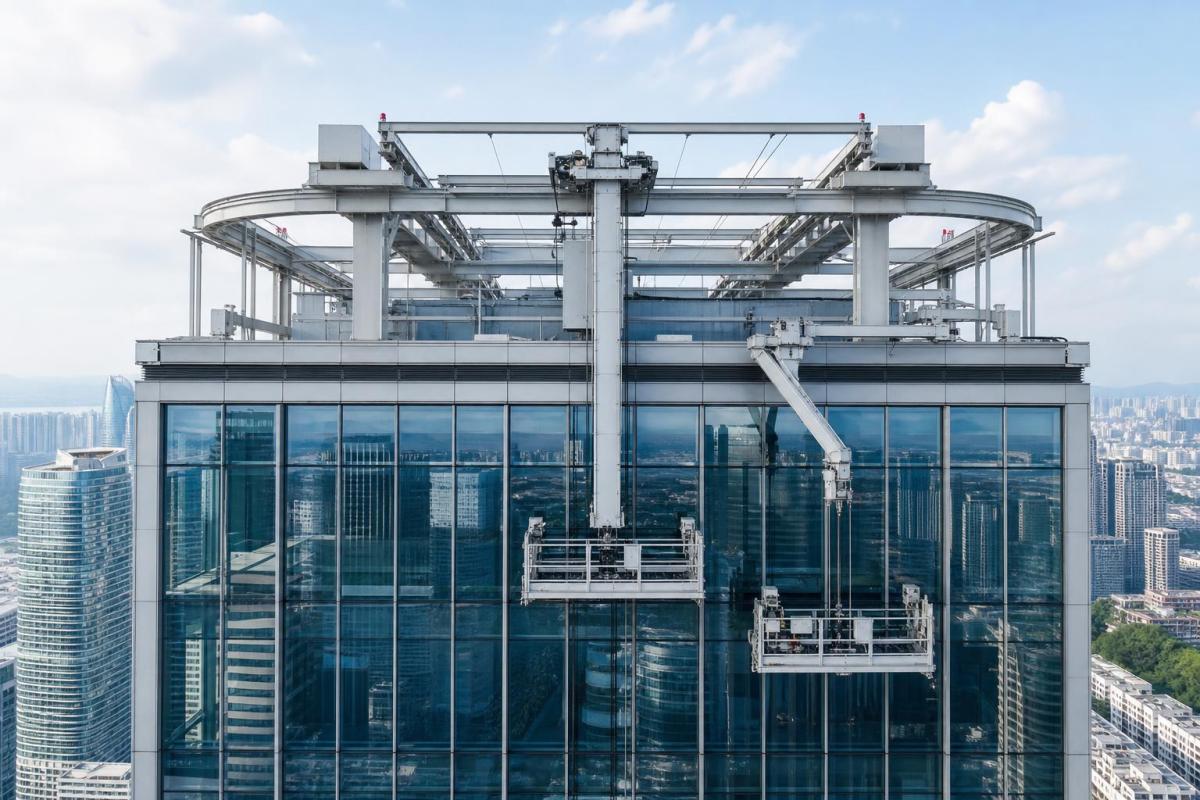
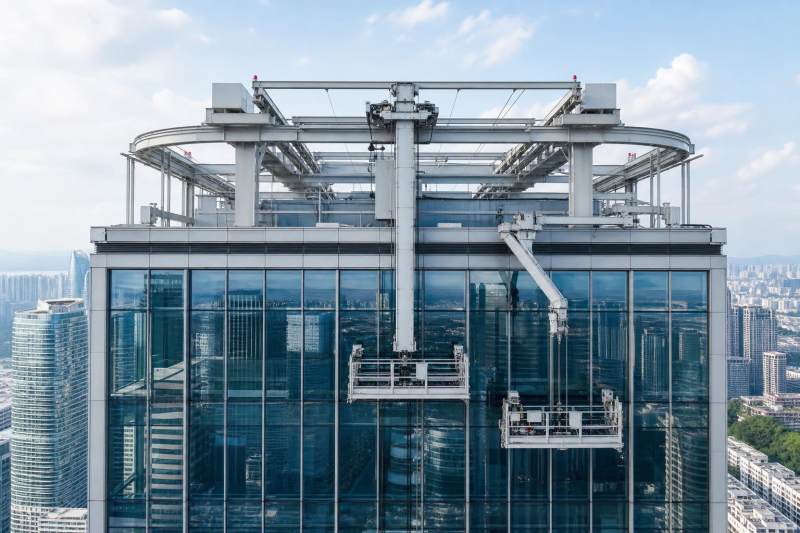
Facade maintenance platforms cost rarely comes down to one number on a quotation sheet.
In practice, the total budget includes equipment design, building interface conditions, safety systems, installation work, and long-term service obligations.
That is why two projects with similar roof outlines can still show very different capital requests.
A useful way to read facade maintenance platforms cost is to separate visible purchase price from lifecycle spending.
This matters even more in high-altitude access environments, where uptime, compliance, and rescue readiness directly affect risk exposure.
MHLE often covers this broader logic across lifting systems, AWPs, cranes, hoists, and automated equipment.
The same principle applies here: equipment value is measured by safe access, stable operation, and predictable lifecycle cost.
Why can facade maintenance platforms cost differ so much from one building to another?
The biggest driver is building-specific engineering.
Facade maintenance platforms are not standard warehouse units pulled from stock.
They are usually configured around roof geometry, outreach needs, facade setbacks, parapet height, and suspension path requirements.
If the building has curved elevations, recessed curtain walls, or transfer zones, the machine structure becomes more complex.
That complexity raises fabrication time, control integration, and installation coordination.
Load requirements also change facade maintenance platforms cost.
A platform carrying two operators, tools, and replacement facade materials needs a different duty profile from a light inspection cradle.
Higher duty often means stronger suspension elements, larger drive assemblies, and more robust braking and overload protection.
Then there is the access method itself.
Some projects use monorail or track-mounted BMU systems.
Others need telescopic jibs, slewing booms, luffing movements, or corner transfer arrangements.
Each added motion axis increases controls, commissioning time, and future service scope.
A quick comparison helps clarify the budget logic
So when facade maintenance platforms cost looks high, the real question is whether the quotation reflects true project complexity.
Is the purchase price the main number to review, or is that the wrong starting point?
It is usually the wrong starting point.
The purchase price is only the first layer of facade maintenance platforms cost.
A lower initial quotation can become more expensive if service intervals are short, spare parts are proprietary, or downtime planning is weak.
In actual projects, lifecycle review is often more revealing than the headline number.
This is familiar across MHLE sectors.
Forklift fleets, hoists, and AWPs are often judged by uptime, inspection frequency, energy use, and service predictability, not just acquisition cost.
Facade access equipment should be reviewed the same way.
- Ask whether annual inspections require specialist travel or local support.
- Check if wear components are standard or vendor-locked.
- Review control system architecture for troubleshooting speed.
- Confirm rescue procedures, operator training, and parts lead times.
- Estimate lost access cost if the platform is unavailable during facade work.
A platform with stronger diagnostics and easier maintenance may cost more upfront, yet reduce total ownership risk over ten to fifteen years.
Which technical choices push facade maintenance platforms cost upward fastest?
Three areas usually move the budget fastest: structure, controls, and compliance.
On the structural side, longer outreach and higher wind exposure require stronger sections and stability safeguards.
That can affect steel quantity, counterweight design, roof load distribution, and anchoring details.
Controls are another major factor.
Basic systems may be acceptable for simple travel paths.
But complex buildings often need anti-collision logic, position feedback, zoning control, interlocks, and remote diagnostics.
Those features add cost, yet they also reduce operating mistakes and service uncertainty.
Compliance can change the budget more than expected.
OSHA-related practice, CE expectations, local code approvals, test certification, and documentation packs all consume engineering hours.
Where projects involve international ownership or export-led building supply chains, documentation quality becomes part of the approval value.
That is especially relevant in industrial plants, logistics hubs, ports, and mixed-use assets where safety governance is closely audited.
A practical review checklist
Before comparing quotations, it helps to confirm whether these items are already defined.
- Exact building height, outreach, and facade access zones.
- Required platform load and expected maintenance tools.
- Wind operating limits and roof structural interface data.
- Emergency descent, rescue access, and backup power needs.
- Inspection regime, training scope, and spare parts expectations.
Undefined inputs often produce misleadingly low quotations that later expand through variation orders.
Where do hidden costs usually appear after approval?
Hidden costs usually appear at the interface between the machine and the building.
Roof reinforcement, embedded fixing changes, power routing, waterproofing adjustments, and crane access during installation are common examples.
Another overlooked area is commissioning timing.
If the facade maintenance platform arrives before façade zones are ready, storage and re-handling costs can rise.
If it arrives too late, facade completion and handover can be delayed.
Training is also underestimated.
Poor operator familiarity often increases stoppages, minor misuse, and unnecessary service calls.
In a lifecycle review, those soft costs still belong inside facade maintenance platforms cost.
A short decision table can help filter these risks early.
How should one compare supplier proposals without focusing only on the lowest quote?
A strong comparison usually combines engineering fit, service support, and ownership cost.
The lowest quote may exclude building interface work, testing scope, training hours, or long-term parts commitments.
A better method is to compare proposals on equal assumptions.
That means checking not just what is offered, but also what is omitted.
In lifting and access equipment procurement, this is often where apparent savings disappear.
The same review discipline used for cranes, AWPs, and automated systems works well here.
- Compare rated load, working envelope, and motion functions line by line.
- Check whether controls include diagnostics, fault history, and remote support.
- Review warranty boundaries, inspection obligations, and response times.
- Ask for expected annual maintenance cost, not just installation cost.
- Request references for similar high-rise or complex facade applications.
This approach gives a more reliable view of facade maintenance platforms cost over the asset life, not only at purchase approval.
What is the most practical next step before budget approval?
Start with a cost map, not a single target figure.
Break facade maintenance platforms cost into equipment supply, building interface work, installation, testing, training, annual service, and major parts exposure.
That structure makes supplier comparisons clearer and reduces later surprises.
It also helps align the equipment decision with the broader logic used across MHLE categories, where lifecycle ROI matters as much as initial capex.
In practical terms, the most dependable approvals come from three checks.
- Confirm the platform fully covers the facade access requirement.
- Verify compliance, rescue, and inspection obligations in writing.
- Model maintenance and downtime cost across the expected service life.
If those three points are clear, facade maintenance platforms cost becomes easier to judge on value, not just on price.
The smartest next move is to collect comparable proposals, normalize the scope, and review where technical complexity genuinely earns long-term savings.
Recommended News
 Sep 11, 2026What drives rental equipment total cost of ownership beyond the daily rate?Rental equipment total cost of ownership goes beyond daily rates. Discover how transport, downtime, energy, labor, compliance, and off-rent control shape smarter rental decisions.
 Sep 02, 2026What determines warehouse stacking systems price for a new warehouse?Warehouse stacking systems price depends on density, loads, aisle design, forklifts, installation, safety, and lifecycle costs. Compare smarter for your new warehouse.
 Aug 26, 2026What drives ASRS integration pricing in warehouse automation projectsASRS integration pricing depends on software scope, site conditions, throughput goals, and risk allocation—not just equipment. Learn what really drives costs and compare bids with confidence.
 Aug 25, 2026When does renting logistics equipment in India cost less than buying?Logistics equipment India: Learn when renting costs less than buying by comparing utilization, maintenance, downtime, cash flow, and project flexibility for smarter decisions.
 Aug 19, 2026When does AGV warehouse systems integration pay off in existing facilities?AGV warehouse systems integration pays off when repetitive pallet moves, labor shortages, and safety costs hurt performance. Learn when retrofitting existing facilities delivers ROI.
 Aug 16, 2026What drives logistics equipment price in warehouse projects?Logistics equipment price in warehouse projects depends on capacity, power, safety, and automation—learn what really drives cost and make smarter buying decisions.
 Aug 03, 2026Scissor Lifts Price Breakdown: What Changes Cost by Height, Power, and Duty CycleScissor lifts price explained by height, power source, platform capacity, and duty cycle. Learn what really changes cost and compare quotes with confidence before you buy.
 Jul 30, 2026How Forklift Fleet Technology Cuts Downtime and Lowers Total CostForklift fleet technology helps reduce downtime, improve utilization, and lower total cost with smarter maintenance, battery control, and fleet visibility. Learn what buyers should evaluate.
 Jul 27, 2026Smart Winch Systems Cost: What Drives Total Price in 2026?Smart winch systems cost in 2026 depends on more than unit price. Explore key drivers like controls, safety, installation, and lifecycle support to budget smarter.
 Jul 21, 2026Industrial Automation Integration: Cost Drivers and ROI BenchmarksIndustrial automation integration costs are shaped by controls, software, retrofits, and downtime. Explore key ROI benchmarks, payback ranges, and practical ways to evaluate project value.
 Jul 18, 2026Material Handling Market Growth: Key Cost and Demand Signals for 2026Material handling market growth in 2026 is driven by labor costs, electrification, automation, and safety compliance. Discover key demand signals shaping smarter equipment investments.
 Jul 17, 2026Warehouse Automation Solutions with IoT: Costs, ROI, and Key Integration RisksWarehouse automation solutions with IoT: explore real costs, ROI timelines, and key integration risks to cut downtime, improve visibility, and choose the right system with confidence.
 Jul 15, 2026Heavy Lifting Equipment Price: What Drives Total Cost in 2026Heavy lifting equipment price in 2026 depends on more than the purchase quote. Learn the hidden cost drivers, lifecycle risks, and smart ways to compare offers before you buy.
 Jul 13, 2026Lifting Equipment Maintenance Cost: Budget Risks to WatchLifting equipment maintenance cost can quietly derail budgets. Learn the hidden risks, downtime drivers, and smart ways to control spend before the next budget cycle.
 Jul 13, 2026Heavy Load Positioning Systems Price: What Drives Total Cost?Heavy load positioning systems price depends on more than equipment cost. Learn the key drivers, hidden expenses, and how to compare quotes for safer, smarter investment decisions.
 Jul 11, 2026What to Check Before Choosing an Unmanned Material Handling CompanyUnmanned material handling company selection starts with the right checks. Learn how to evaluate safety, integration, service, and ROI before you choose a supplier.
 Jul 09, 2026Automated Warehousing Supplier Checklist: Integration, Uptime, and Expansion CostsAutomated warehousing supplier checklist covering integration, uptime, and expansion costs. Learn how to compare vendors, reduce risk, and protect long-term ROI.
 Jul 09, 2026How to Evaluate a Heavy Lifting Equipment Supplier for Long-Term Project RiskHeavy lifting equipment supplier evaluation starts with risk, not price. Learn how to assess safety, service, compliance, and long-term project reliability before you buy.
 Jul 08, 2026Lifting Equipment for Construction: What to Compare Before You Rent or BuyLifting equipment for construction: compare load capacity, site conditions, compliance, uptime, and total cost before you rent or buy to reduce risk and improve project ROI.
 Jul 07, 2026Forklift Lifecycle ROI: Cost Drivers That Change Long-Term OwnershipForklift lifecycle ROI starts beyond the purchase price. Discover how battery strategy, maintenance, downtime, safety, and resale value shape smarter long-term ownership decisions.
![]() Jul 06, 2026Port Material Handling Operations: Where Delays and Costs Usually StartPort material handling operations often lose time and money before cargo even moves. Discover where delays begin, what drives hidden costs, and how smarter equipment choices improve throughput.
Jul 06, 2026Port Material Handling Operations: Where Delays and Costs Usually StartPort material handling operations often lose time and money before cargo even moves. Discover where delays begin, what drives hidden costs, and how smarter equipment choices improve throughput. Jul 05, 2026Industrial Forklifts Cost Breakdown: Purchase, Energy, Maintenance, and ResaleIndustrial forklifts cost goes beyond the sticker price. Compare purchase, energy, maintenance, downtime, and resale value to choose the most cost-effective forklift.
 Jul 02, 2026How to Evaluate a Construction Access Equipment Manufacturer in 2026Construction access equipment manufacturer selection in 2026 goes beyond specs. Learn how to compare safety, compliance, service, telematics, and lifecycle cost for smarter buying decisions.
 Jul 01, 2026Automated Storage and Retrieval Systems Cost BreakdownAutomated storage and retrieval systems cost explained clearly: compare cost drivers, hidden expenses, ROI factors, and system price ranges before approving your warehouse automation budget.