Search News
Industry Portal
Popular Tags
What Drives Pallet Handling Cost in Daily Warehouse Operations?
Author
Time
Click Count
Why does pallet handling cost often look simple on paper but expensive in practice?
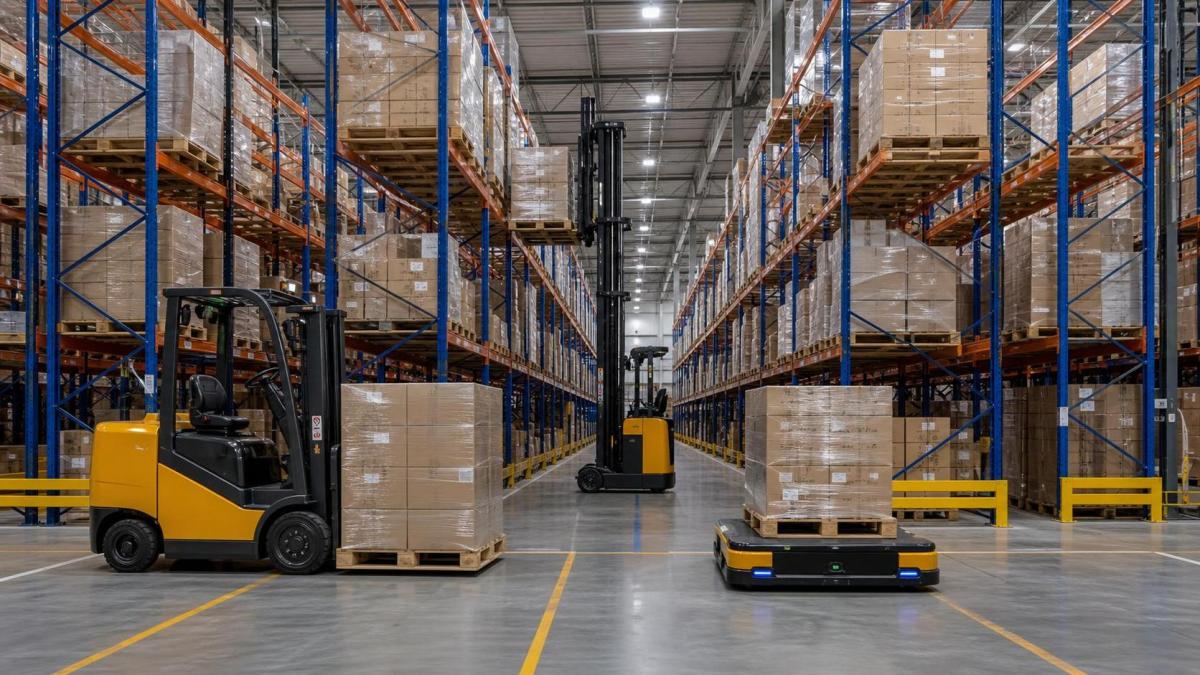
Pallet handling cost rarely comes from one line item. Labor is visible, but many daily losses stay buried inside normal warehouse activity.
A forklift moving one pallet too far, a reach truck waiting at an aisle crossing, or a damaged load needing rework all raise total cost.
That is why pallet handling cost should be viewed as an operating system issue, not just a wage issue.
In material handling environments covered by MHLE, cost pressure usually links equipment, layout, uptime, safety, and energy use.
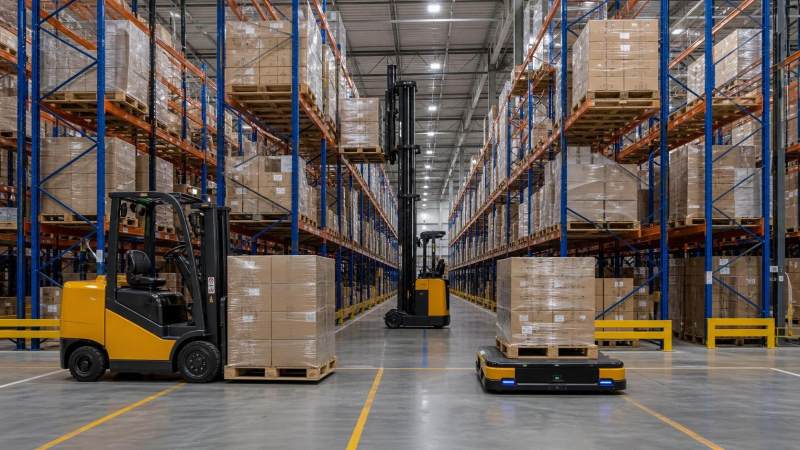
A warehouse may own capable forklifts, stackers, or AGV systems, yet still lose margin through poor routing or low asset utilization.
The more practical question is not, “What does one move cost?” It is, “What keeps each move from staying predictable?”
Once that shift happens, pallet handling cost becomes easier to track, compare, and reduce without chasing isolated savings.
Which cost drivers usually matter most in daily pallet movement?
The biggest drivers are usually travel time, touches per pallet, equipment downtime, product damage, and energy or fuel consumption.
Travel time is often underestimated. If operators spend minutes crossing long distances, pallet handling cost rises before lifting even starts.
Extra touches matter just as much. A pallet unloaded, staged, re-positioned, and loaded again creates hidden labor and congestion.
Downtime is another quiet cost. One unavailable truck can slow several connected tasks, especially in high-turn warehouse zones.
Damage should never be treated as a separate quality issue only. It directly increases pallet handling cost through claims, repacking, and lost slotting time.
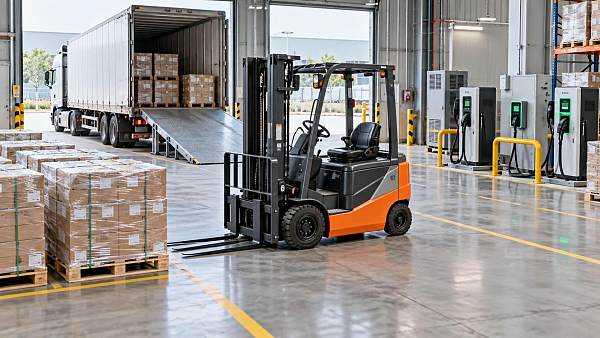
Energy use becomes more important as fleets shift toward lithium-ion systems and longer operating windows. Charging strategy affects labor rhythm too.
To make those factors easier to judge, the table below summarizes where daily cost pressure usually begins.
Is labor still the biggest part of pallet handling cost?
Sometimes yes, but not always in the way many cost reviews assume.
Direct wages are easy to measure, so they often dominate discussion. The harder issue is paid time that produces weak throughput.
If operators wait for batteries, search for pallets, or work around blocked aisles, labor becomes inefficient rather than merely expensive.
That distinction matters. A warehouse can trim headcount pressure without real savings if the underlying workflow remains unchanged.
More advanced sites measure pallet handling cost by move quality, not only by labor hours. They ask how many touches were avoidable.
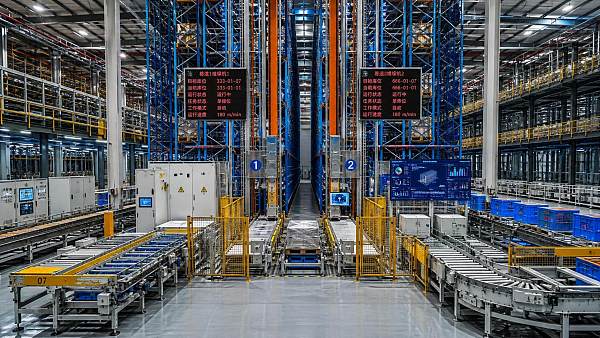
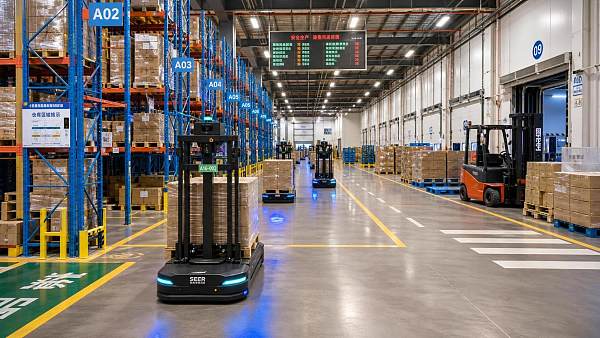
They also compare manned trucks with alternatives such as VNA vehicles, AGV forklifts, or layout redesign where traffic density is high.
In practical terms, labor should be reviewed together with slotting logic, fleet mix, battery strategy, and maintenance discipline.
How do equipment choices change pallet handling cost over time?
The wrong truck may still complete the job, but it usually raises pallet handling cost every day afterward.
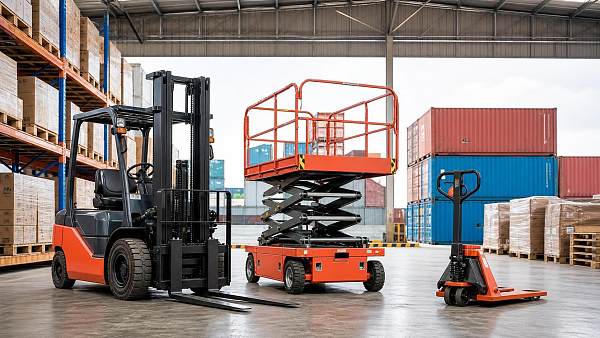
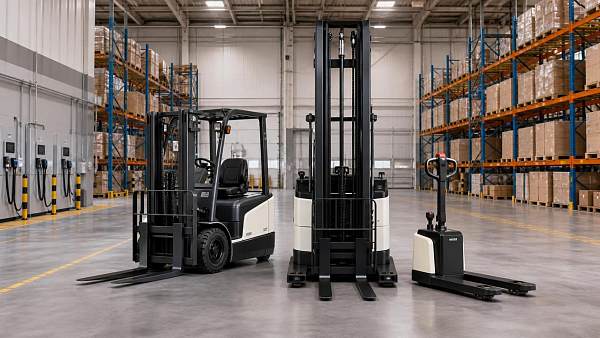
An electric counterbalance forklift offers flexibility, yet may be inefficient for dense racking and narrow aisles.
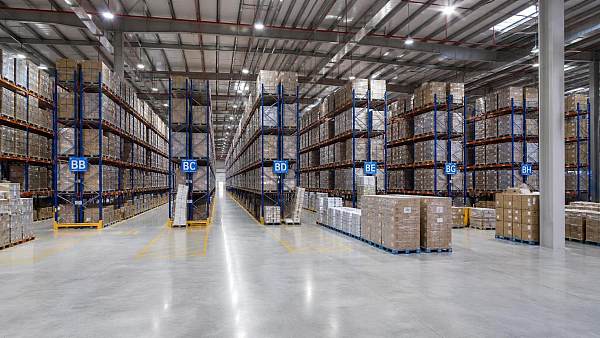
A reach truck can improve vertical storage access, but only if aisle design and pallet quality support precise handling.
Stackers may look economical for light duties, though their productivity ceiling can increase cost during peak periods.
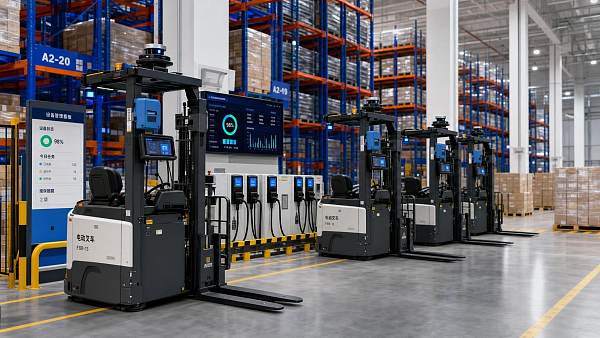
Lithium-ion fleets often reduce charging interruptions and maintenance exposure. Still, the return depends on duty cycle and charging discipline.
IoT fleet monitoring can also reshape decisions. It reveals whether a site truly needs more trucks or simply uses existing assets poorly.
MHLE frequently frames this as lifecycle logic. Purchase price matters, but utilization, uptime, and safety compliance often decide the real winner.
- Choose equipment by travel pattern, lift height, aisle width, and shift structure.
- Check maintenance intervals and parts support before comparing unit price.
- Review battery, charger, and energy infrastructure as one cost package.
- Use telematics to validate utilization assumptions after deployment.
What hidden mistakes push pallet handling cost higher than expected?
One common mistake is treating all pallets as operationally equal. They are not.
Inbound pallets, damaged pallets, export pallets, and fast-pick pallets create different handling burdens and different risk profiles.
Another mistake is ignoring pallet condition. Broken boards, unstable wrapping, and inconsistent dimensions slow equipment and increase accidents.
Many sites also underprice congestion. When trucks queue at docks or crossings, pallet handling cost rises even with full operator attendance.
A third issue is separating safety from cost. In reality, poor visibility, overload events, and near misses are cost multipliers.
Where overhead lifting, dock interfaces, or automated transfer points are involved, coordination failures add delay and exposure quickly.
The better approach is to review mistakes as repeatable patterns, not isolated incidents.
A quick check for recurring cost leakage
- Pallets are moved to temporary staging more than once per shift.
- Battery charging interrupts work at predictable peak hours.
- Damage investigations focus on blame, not process design.
- Truck utilization varies sharply across similar zones.
- Maintenance records show repeated small failures on the same asset group.
How should pallet handling cost be evaluated before new spending is approved?
A useful review starts with the current cost per move, but it should not end there.
The stronger method compares today’s process with a realistic future state. That includes layout, fleet mix, throughput target, and maintenance capacity.
It also helps to separate fixed and variable cost effects. Some upgrades reduce labor hours. Others protect uptime or reduce damage claims.
In many cases, the best justification comes from avoided cost rather than headline productivity alone.
That is especially true when comparing lithium-ion forklifts, automated pallet flow, VNA solutions, or telematics-supported fleet right-sizing.
A short decision table can keep that evaluation grounded in measurable facts.
What is the most practical next step if pallet handling cost needs to come down?
Start with movement data, not assumptions.
Map where pallets originate, where they pause, and how many times they are touched before final placement or dispatch.
Then compare that flow with the actual fleet in use. The gap often explains why pallet handling cost stays stubbornly high.
In some warehouses, the fix is layout and slotting. In others, it is battery strategy, truck right-sizing, or tighter maintenance planning.
Where volumes are consistent, automation or telematics may justify deeper evaluation. Where demand is uneven, flexibility may be worth more.
The most reliable decisions connect throughput, damage exposure, uptime, and energy use into one business case.
That is also where MHLE-style analysis becomes useful: it brings fleet data, equipment options, safety requirements, and lifecycle ROI into the same conversation.
If the goal is lower pallet handling cost, the next move is simple: measure the real causes, compare realistic alternatives, and fund the changes that hold value beyond one budget cycle.
Recommended News
 Sep 11, 2026What drives rental equipment total cost of ownership beyond the daily rate?Rental equipment total cost of ownership goes beyond daily rates. Discover how transport, downtime, energy, labor, compliance, and off-rent control shape smarter rental decisions.
 Sep 02, 2026What determines warehouse stacking systems price for a new warehouse?Warehouse stacking systems price depends on density, loads, aisle design, forklifts, installation, safety, and lifecycle costs. Compare smarter for your new warehouse.
 Aug 26, 2026What drives ASRS integration pricing in warehouse automation projectsASRS integration pricing depends on software scope, site conditions, throughput goals, and risk allocation—not just equipment. Learn what really drives costs and compare bids with confidence.
 Aug 25, 2026When does renting logistics equipment in India cost less than buying?Logistics equipment India: Learn when renting costs less than buying by comparing utilization, maintenance, downtime, cash flow, and project flexibility for smarter decisions.
 Aug 19, 2026When does AGV warehouse systems integration pay off in existing facilities?AGV warehouse systems integration pays off when repetitive pallet moves, labor shortages, and safety costs hurt performance. Learn when retrofitting existing facilities delivers ROI.
 Aug 16, 2026What drives logistics equipment price in warehouse projects?Logistics equipment price in warehouse projects depends on capacity, power, safety, and automation—learn what really drives cost and make smarter buying decisions.
 Aug 03, 2026Scissor Lifts Price Breakdown: What Changes Cost by Height, Power, and Duty CycleScissor lifts price explained by height, power source, platform capacity, and duty cycle. Learn what really changes cost and compare quotes with confidence before you buy.
 Jul 30, 2026How Forklift Fleet Technology Cuts Downtime and Lowers Total CostForklift fleet technology helps reduce downtime, improve utilization, and lower total cost with smarter maintenance, battery control, and fleet visibility. Learn what buyers should evaluate.
 Jul 27, 2026Smart Winch Systems Cost: What Drives Total Price in 2026?Smart winch systems cost in 2026 depends on more than unit price. Explore key drivers like controls, safety, installation, and lifecycle support to budget smarter.
 Jul 21, 2026Industrial Automation Integration: Cost Drivers and ROI BenchmarksIndustrial automation integration costs are shaped by controls, software, retrofits, and downtime. Explore key ROI benchmarks, payback ranges, and practical ways to evaluate project value.
 Jul 18, 2026Material Handling Market Growth: Key Cost and Demand Signals for 2026Material handling market growth in 2026 is driven by labor costs, electrification, automation, and safety compliance. Discover key demand signals shaping smarter equipment investments.
 Jul 17, 2026Warehouse Automation Solutions with IoT: Costs, ROI, and Key Integration RisksWarehouse automation solutions with IoT: explore real costs, ROI timelines, and key integration risks to cut downtime, improve visibility, and choose the right system with confidence.
 Jul 15, 2026Heavy Lifting Equipment Price: What Drives Total Cost in 2026Heavy lifting equipment price in 2026 depends on more than the purchase quote. Learn the hidden cost drivers, lifecycle risks, and smart ways to compare offers before you buy.
 Jul 13, 2026Lifting Equipment Maintenance Cost: Budget Risks to WatchLifting equipment maintenance cost can quietly derail budgets. Learn the hidden risks, downtime drivers, and smart ways to control spend before the next budget cycle.
 Jul 13, 2026Heavy Load Positioning Systems Price: What Drives Total Cost?Heavy load positioning systems price depends on more than equipment cost. Learn the key drivers, hidden expenses, and how to compare quotes for safer, smarter investment decisions.
 Jul 11, 2026What to Check Before Choosing an Unmanned Material Handling CompanyUnmanned material handling company selection starts with the right checks. Learn how to evaluate safety, integration, service, and ROI before you choose a supplier.
 Jul 09, 2026Automated Warehousing Supplier Checklist: Integration, Uptime, and Expansion CostsAutomated warehousing supplier checklist covering integration, uptime, and expansion costs. Learn how to compare vendors, reduce risk, and protect long-term ROI.
 Jul 09, 2026How to Evaluate a Heavy Lifting Equipment Supplier for Long-Term Project RiskHeavy lifting equipment supplier evaluation starts with risk, not price. Learn how to assess safety, service, compliance, and long-term project reliability before you buy.
 Jul 08, 2026Lifting Equipment for Construction: What to Compare Before You Rent or BuyLifting equipment for construction: compare load capacity, site conditions, compliance, uptime, and total cost before you rent or buy to reduce risk and improve project ROI.
 Jul 07, 2026Forklift Lifecycle ROI: Cost Drivers That Change Long-Term OwnershipForklift lifecycle ROI starts beyond the purchase price. Discover how battery strategy, maintenance, downtime, safety, and resale value shape smarter long-term ownership decisions.
![]() Jul 06, 2026Port Material Handling Operations: Where Delays and Costs Usually StartPort material handling operations often lose time and money before cargo even moves. Discover where delays begin, what drives hidden costs, and how smarter equipment choices improve throughput.
Jul 06, 2026Port Material Handling Operations: Where Delays and Costs Usually StartPort material handling operations often lose time and money before cargo even moves. Discover where delays begin, what drives hidden costs, and how smarter equipment choices improve throughput. Jul 05, 2026Industrial Forklifts Cost Breakdown: Purchase, Energy, Maintenance, and ResaleIndustrial forklifts cost goes beyond the sticker price. Compare purchase, energy, maintenance, downtime, and resale value to choose the most cost-effective forklift.
 Jul 02, 2026How to Evaluate a Construction Access Equipment Manufacturer in 2026Construction access equipment manufacturer selection in 2026 goes beyond specs. Learn how to compare safety, compliance, service, telematics, and lifecycle cost for smarter buying decisions.
 Jul 01, 2026Automated Storage and Retrieval Systems Cost BreakdownAutomated storage and retrieval systems cost explained clearly: compare cost drivers, hidden expenses, ROI factors, and system price ranges before approving your warehouse automation budget.