Search News
Industry Portal
Popular Tags
Lifting Equipment Maintenance Cost: Budget Risks to Watch
Author
Time
Click Count
Why does lifting equipment maintenance cost surprise budgets so often?
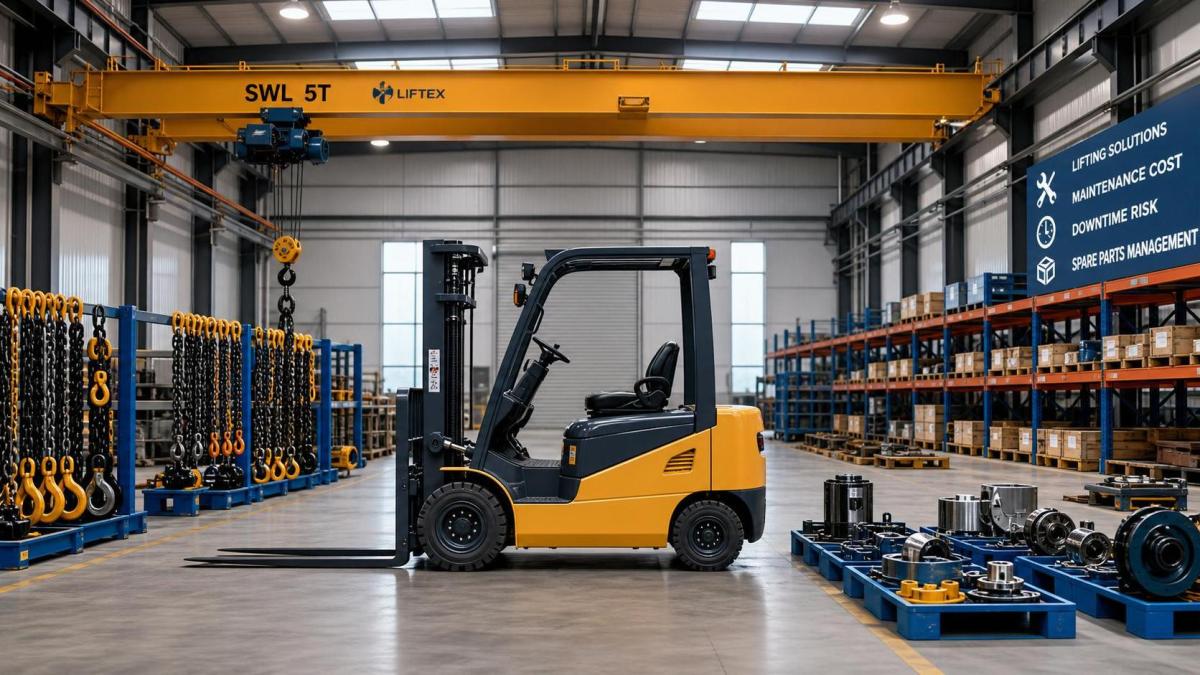
Lifting equipment maintenance cost rarely looks dangerous at the approval stage. It often appears as a manageable service line in an annual budget.
The trouble starts when maintenance is treated as a fixed expense instead of a moving risk category. Routine servicing is only one part of the real spend.
In material handling and lifting operations, hidden cost usually comes from interruption. A failed hoist, forklift, gantry crane, or boom lift can stall work far beyond the repair window.
That is why lifting equipment maintenance cost should be reviewed alongside uptime, safety exposure, inspection status, and spare parts availability.
Across warehouses, ports, plants, workshops, and construction sites, the same pattern appears. Preventive work is delayed, minor defects grow, and emergency spending arrives without warning.
A practical way to read maintenance cost is this: service invoices are visible, but disruption cost is usually buried in labor inefficiency, rental substitution, shipment delays, or missed operating windows.
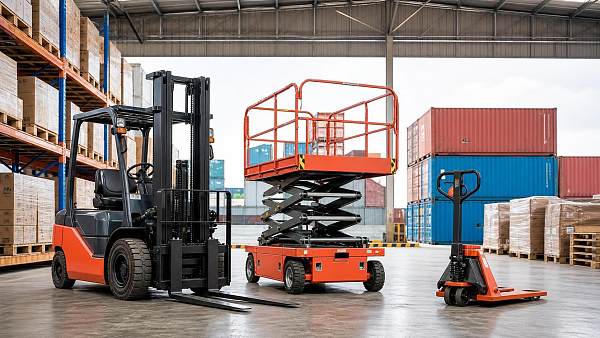
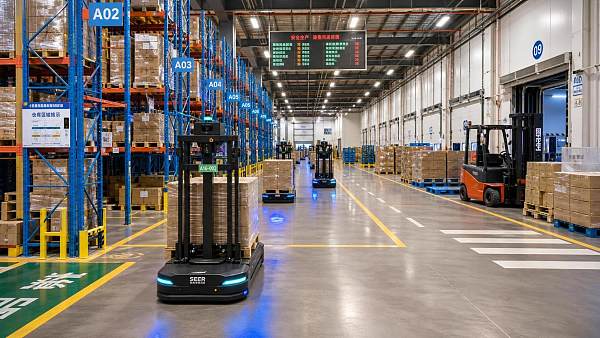
That broader view matters when comparing forklifts, overhead cranes, electric hoists, aerial work platforms, and automated lifting systems. Their service logic differs, but budget leakage follows similar patterns.
What is actually included in lifting equipment maintenance cost?
Many cost reviews focus on technician visits and replacement parts. That is too narrow for serious planning.
A more useful definition includes both direct maintenance spend and the operational consequences of maintenance decisions.
For most fleets, lifting equipment maintenance cost includes:
- Scheduled inspections, lubrication, calibration, and wear checks.
- Consumables and replacement parts, including tires, chains, wire ropes, brakes, filters, and hydraulic components.
- Corrective repairs after faults, overload events, impact damage, or electrical failures.
- Compliance work tied to OSHA, CE, site audits, and local inspection requirements.
- Downtime losses, temporary rentals, rescheduling, and contractor callout premiums.
In actual operations, one category can trigger another. A delayed inspection can lead to a shutdown, which then creates urgent repair charges and short-term rental costs.
This is where lifecycle analysis becomes more useful than invoice comparison. A lower service contract price does not always mean a lower lifting equipment maintenance cost over twelve or twenty-four months.
Sources like MHLE often frame this well because maintenance is linked to mechanics, safety compliance, fleet monitoring, and application conditions rather than treated as an isolated expense.
Which budget risks deserve the closest attention?
Some risks are obvious, such as major component failure. More damaging risks are often slower and easier to miss during budgeting.
The table below summarizes the cost areas that usually distort lifting equipment maintenance cost forecasts.
The common thread is variability. A stable service budget becomes unstable when maintenance depends on emergency response rather than planned intervention.
This is especially important for mixed fleets. Forklifts, cranes, and AWPs fail in different ways, but budget overruns usually come from the same planning blind spots.
How do equipment type and application change the cost picture?
Not all lifting equipment maintenance cost behaves the same. Usage intensity, load profile, environment, and safety criticality shape the real spending pattern.
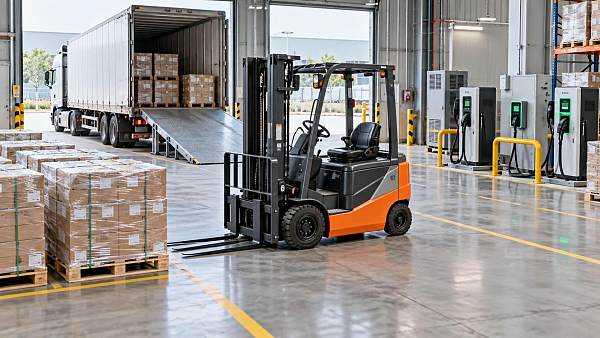
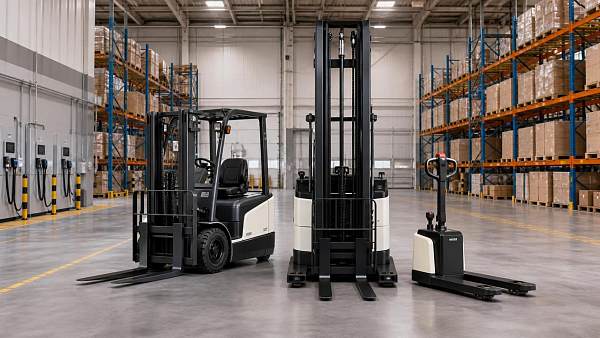
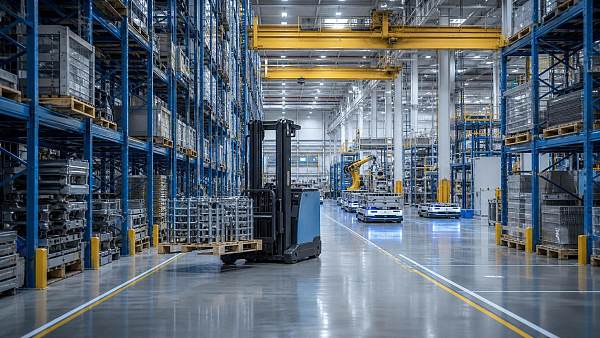
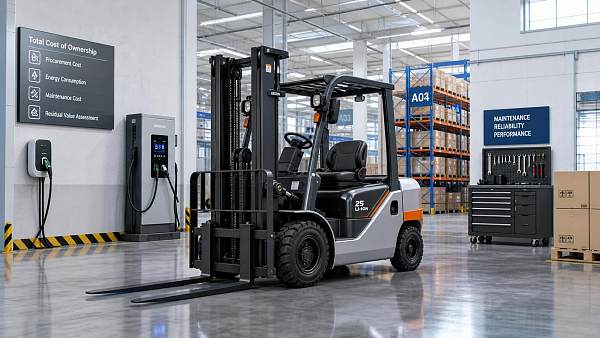
For example, warehouse forklifts may show frequent wear on tires, forks, batteries, hydraulics, and mast components. Downtime risk is often tied to throughput loss.
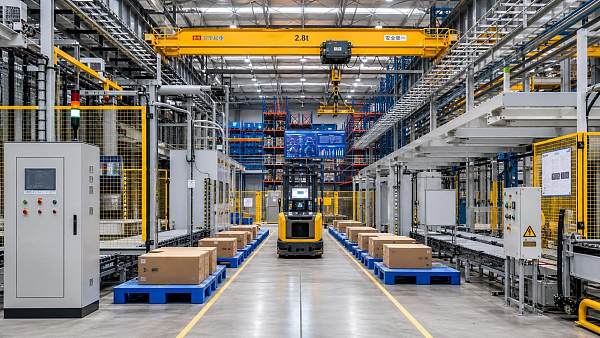
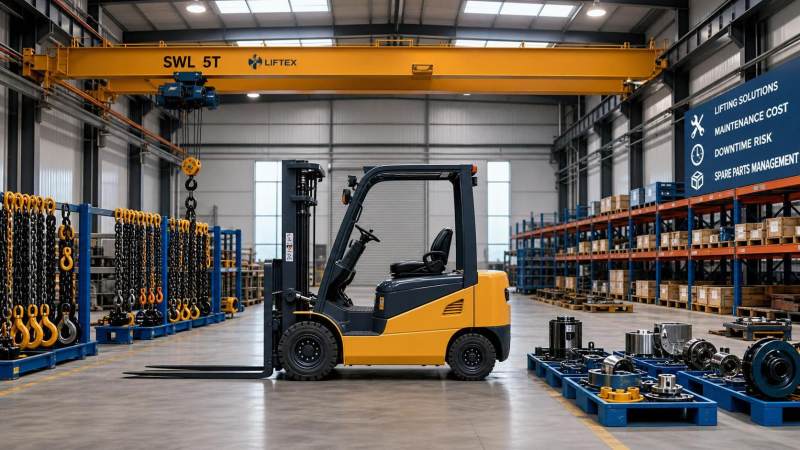
Overhead cranes and gantry cranes may require fewer daily interventions, yet their failures can stop an entire production area or yard movement sequence.
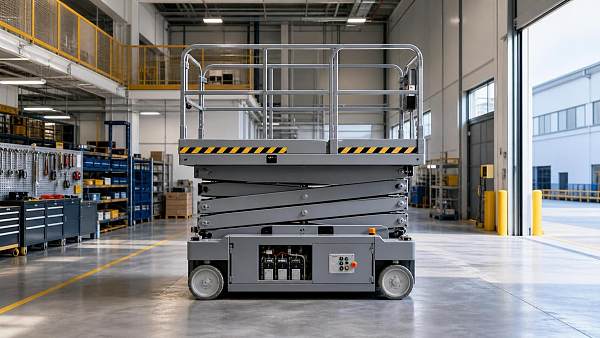
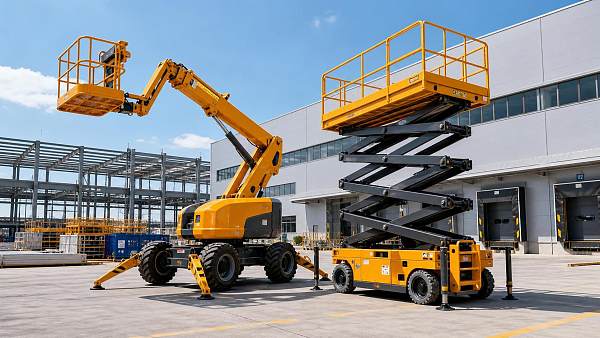
Aerial work platforms add another layer. Their maintenance cost is strongly influenced by safety interlocks, platform controls, drive systems, and certification checks.
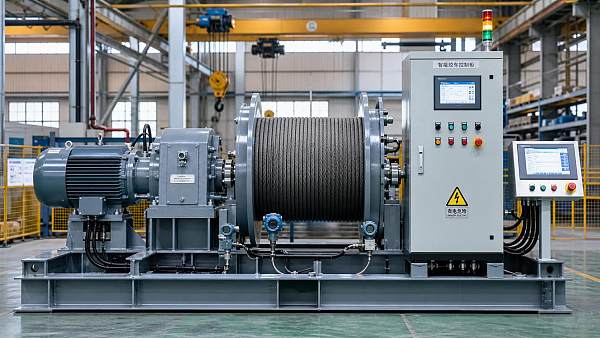
Electric hoists and smart winches may seem simple, but lifting cycles, shock loading, and rope or chain condition can quickly change expected cost.
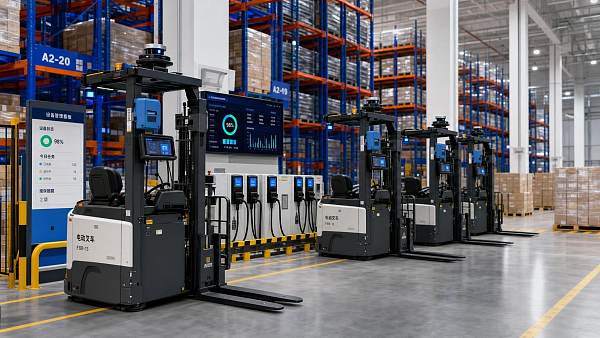
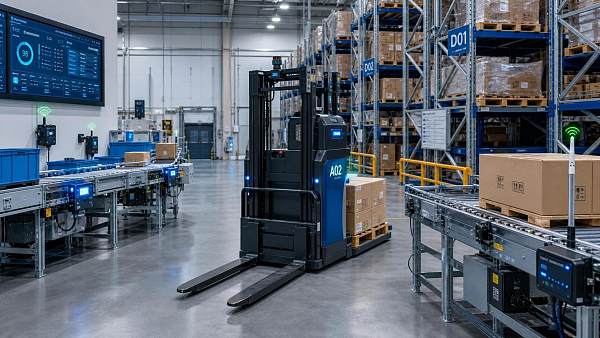
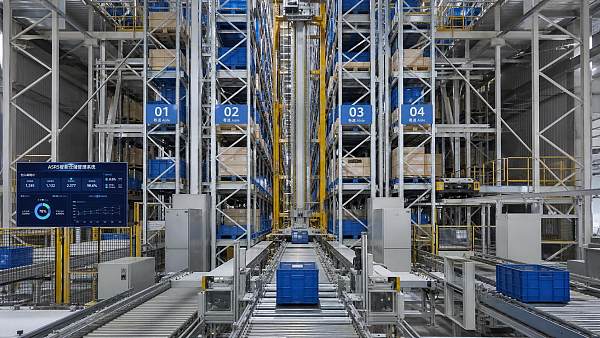
Automated lifting systems introduce sensors, software, VFD controls, and remote diagnostics. Routine labor may decrease, while specialist support becomes more important.
A useful budgeting question is not only “What does service cost?” It is also “What does failure interrupt?” That answer changes the maintenance priority.
In practice, a low-cost machine in a high-value workflow can create the highest financial exposure. That is why application context matters more than asset price alone.
When does repair spending signal replacement risk instead of normal upkeep?
This is one of the most important budget questions. Rising lifting equipment maintenance cost does not always mean maintenance is inefficient.
Sometimes it means the asset has moved into a less economical stage of its life. The pattern matters more than one large invoice.
Warning signs usually include repeated failures on related systems, shorter time between repairs, and growing dependence on urgent parts sourcing.
Another signal is when maintenance cost stays high even after major repairs. That often suggests the machine is accumulating age-related issues across multiple subsystems.
It helps to compare three figures side by side:
- Annual maintenance spend per unit.
- Downtime hours per unit.
- Revenue or operational value supported by that unit.
If maintenance cost keeps rising while uptime confidence keeps falling, replacement analysis should start before the next failure cycle forces the decision.
This does not always mean buying new equipment immediately. It may mean rebuilding, rotating duty, reducing peak use, or shifting to rental for certain periods.
What is the best way to control lifting equipment maintenance cost without cutting the wrong things?
The most effective control method is better visibility, not blind reduction. Cutting inspection frequency or delaying wear-part replacement usually pushes cost into a more expensive quarter.
A stronger approach is to separate predictable cost from volatile cost. Once those are tracked differently, budget decisions improve quickly.
Useful actions include:
- Create maintenance baselines by equipment class, age band, and operating hours.
- Track emergency repair ratio instead of only total service spend.
- Flag components with long lead times and hold critical spares where downtime is costly.
- Review compliance-related spend separately from mechanical wear spend.
- Use IoT fleet monitoring or service data to identify recurring misuse and hidden idle time.
In many operations, predictive maintenance creates value because it reduces uncertainty. Even simple usage tracking can improve forecast accuracy.
That is one reason industry intelligence platforms such as MHLE are useful. They connect maintenance decisions with equipment type, safety standards, fleet uptime, and lifecycle ROI.
The goal is not to make lifting equipment maintenance cost look smaller on paper. The goal is to make it more stable, explainable, and aligned with operational reality.
What should be checked before the next budget cycle?
A practical review should begin with the assets that create the highest interruption risk, not just the highest service invoice total.
Look at service history, failure frequency, parts dependency, inspection outcomes, and downtime consequences in the same view.
If lifting equipment maintenance cost has been increasing, ask whether the cause is age, application mismatch, weak preventive routines, or poor parts planning.
Then separate short-term fixes from structural changes. Some fleets need tighter service scheduling. Others need replacement planning, training discipline, or better monitoring.
The most reliable budgets are built from equipment behavior, not assumptions. That means linking maintenance records with uptime, compliance, and operating context.
If the next review includes those checks, lifting equipment maintenance cost becomes easier to forecast and much harder to underestimate.
Recommended News
 Sep 11, 2026What drives rental equipment total cost of ownership beyond the daily rate?Rental equipment total cost of ownership goes beyond daily rates. Discover how transport, downtime, energy, labor, compliance, and off-rent control shape smarter rental decisions.
 Sep 02, 2026What determines warehouse stacking systems price for a new warehouse?Warehouse stacking systems price depends on density, loads, aisle design, forklifts, installation, safety, and lifecycle costs. Compare smarter for your new warehouse.
 Aug 26, 2026What drives ASRS integration pricing in warehouse automation projectsASRS integration pricing depends on software scope, site conditions, throughput goals, and risk allocation—not just equipment. Learn what really drives costs and compare bids with confidence.
 Aug 25, 2026When does renting logistics equipment in India cost less than buying?Logistics equipment India: Learn when renting costs less than buying by comparing utilization, maintenance, downtime, cash flow, and project flexibility for smarter decisions.
 Aug 19, 2026When does AGV warehouse systems integration pay off in existing facilities?AGV warehouse systems integration pays off when repetitive pallet moves, labor shortages, and safety costs hurt performance. Learn when retrofitting existing facilities delivers ROI.
 Aug 16, 2026What drives logistics equipment price in warehouse projects?Logistics equipment price in warehouse projects depends on capacity, power, safety, and automation—learn what really drives cost and make smarter buying decisions.
 Aug 03, 2026Scissor Lifts Price Breakdown: What Changes Cost by Height, Power, and Duty CycleScissor lifts price explained by height, power source, platform capacity, and duty cycle. Learn what really changes cost and compare quotes with confidence before you buy.
 Jul 30, 2026How Forklift Fleet Technology Cuts Downtime and Lowers Total CostForklift fleet technology helps reduce downtime, improve utilization, and lower total cost with smarter maintenance, battery control, and fleet visibility. Learn what buyers should evaluate.
 Jul 27, 2026Smart Winch Systems Cost: What Drives Total Price in 2026?Smart winch systems cost in 2026 depends on more than unit price. Explore key drivers like controls, safety, installation, and lifecycle support to budget smarter.
 Jul 21, 2026Industrial Automation Integration: Cost Drivers and ROI BenchmarksIndustrial automation integration costs are shaped by controls, software, retrofits, and downtime. Explore key ROI benchmarks, payback ranges, and practical ways to evaluate project value.
 Jul 18, 2026Material Handling Market Growth: Key Cost and Demand Signals for 2026Material handling market growth in 2026 is driven by labor costs, electrification, automation, and safety compliance. Discover key demand signals shaping smarter equipment investments.
 Jul 17, 2026Warehouse Automation Solutions with IoT: Costs, ROI, and Key Integration RisksWarehouse automation solutions with IoT: explore real costs, ROI timelines, and key integration risks to cut downtime, improve visibility, and choose the right system with confidence.
 Jul 15, 2026Heavy Lifting Equipment Price: What Drives Total Cost in 2026Heavy lifting equipment price in 2026 depends on more than the purchase quote. Learn the hidden cost drivers, lifecycle risks, and smart ways to compare offers before you buy.
 Jul 13, 2026Lifting Equipment Maintenance Cost: Budget Risks to WatchLifting equipment maintenance cost can quietly derail budgets. Learn the hidden risks, downtime drivers, and smart ways to control spend before the next budget cycle.
 Jul 13, 2026Heavy Load Positioning Systems Price: What Drives Total Cost?Heavy load positioning systems price depends on more than equipment cost. Learn the key drivers, hidden expenses, and how to compare quotes for safer, smarter investment decisions.
 Jul 11, 2026What to Check Before Choosing an Unmanned Material Handling CompanyUnmanned material handling company selection starts with the right checks. Learn how to evaluate safety, integration, service, and ROI before you choose a supplier.
 Jul 09, 2026Automated Warehousing Supplier Checklist: Integration, Uptime, and Expansion CostsAutomated warehousing supplier checklist covering integration, uptime, and expansion costs. Learn how to compare vendors, reduce risk, and protect long-term ROI.
 Jul 09, 2026How to Evaluate a Heavy Lifting Equipment Supplier for Long-Term Project RiskHeavy lifting equipment supplier evaluation starts with risk, not price. Learn how to assess safety, service, compliance, and long-term project reliability before you buy.
 Jul 08, 2026Lifting Equipment for Construction: What to Compare Before You Rent or BuyLifting equipment for construction: compare load capacity, site conditions, compliance, uptime, and total cost before you rent or buy to reduce risk and improve project ROI.
 Jul 07, 2026Forklift Lifecycle ROI: Cost Drivers That Change Long-Term OwnershipForklift lifecycle ROI starts beyond the purchase price. Discover how battery strategy, maintenance, downtime, safety, and resale value shape smarter long-term ownership decisions.
![]() Jul 06, 2026Port Material Handling Operations: Where Delays and Costs Usually StartPort material handling operations often lose time and money before cargo even moves. Discover where delays begin, what drives hidden costs, and how smarter equipment choices improve throughput.
Jul 06, 2026Port Material Handling Operations: Where Delays and Costs Usually StartPort material handling operations often lose time and money before cargo even moves. Discover where delays begin, what drives hidden costs, and how smarter equipment choices improve throughput. Jul 05, 2026Industrial Forklifts Cost Breakdown: Purchase, Energy, Maintenance, and ResaleIndustrial forklifts cost goes beyond the sticker price. Compare purchase, energy, maintenance, downtime, and resale value to choose the most cost-effective forklift.
 Jul 02, 2026How to Evaluate a Construction Access Equipment Manufacturer in 2026Construction access equipment manufacturer selection in 2026 goes beyond specs. Learn how to compare safety, compliance, service, telematics, and lifecycle cost for smarter buying decisions.
 Jul 01, 2026Automated Storage and Retrieval Systems Cost BreakdownAutomated storage and retrieval systems cost explained clearly: compare cost drivers, hidden expenses, ROI factors, and system price ranges before approving your warehouse automation budget.