Search News
Industry Portal
Popular Tags
Automated Storage and Retrieval Systems Cost Breakdown
Author
Time
Click Count
Automated Storage and Retrieval Systems Cost Breakdown
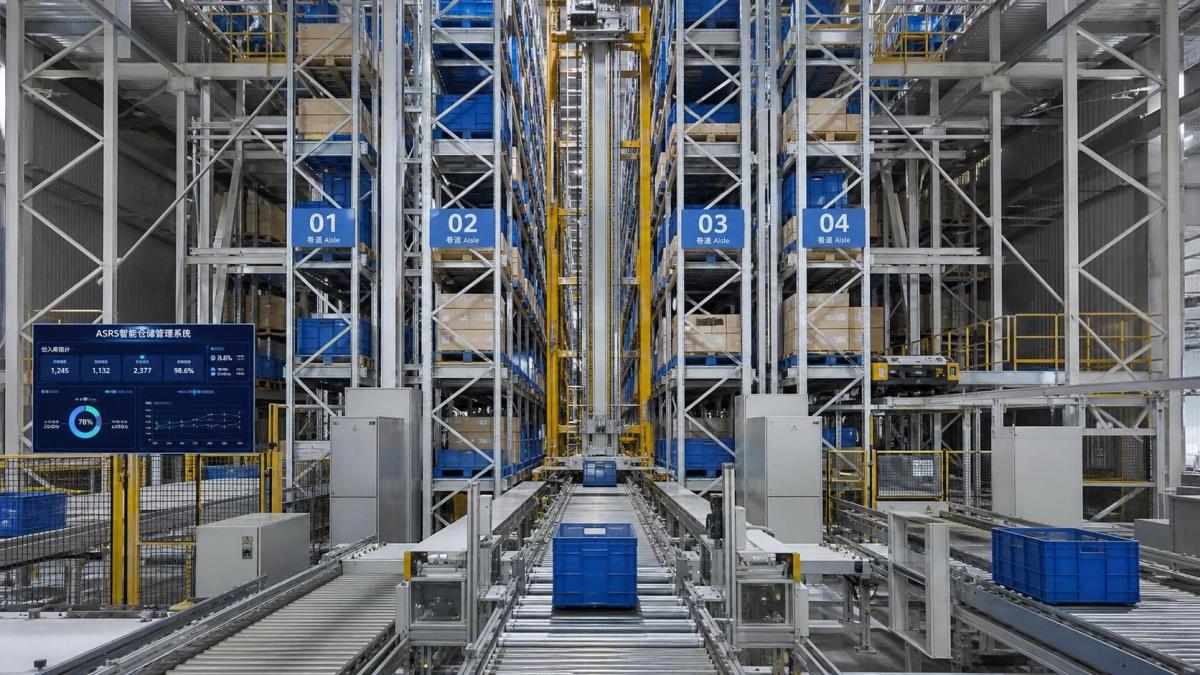
Understanding automated storage and retrieval systems cost starts with one practical question: what exactly are you paying for?
For most buyers, the answer goes far beyond racks and robots.
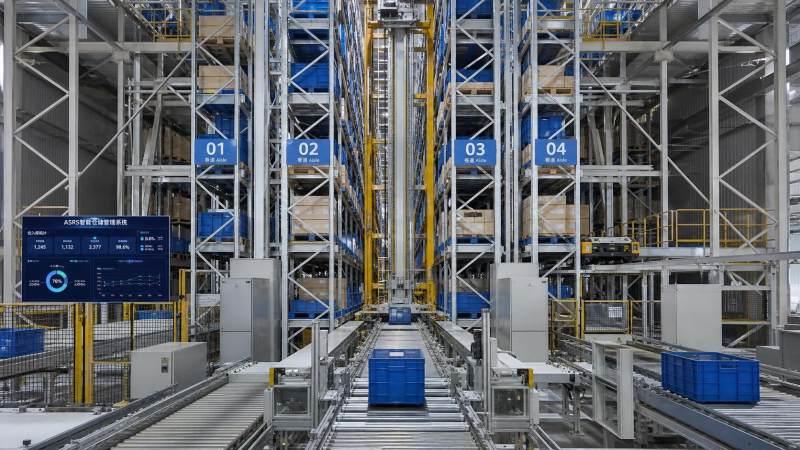
The full investment usually includes equipment, software, integration, civil work, commissioning, training, support, and future expansion capacity.
That is why two supplier quotes can look similar at first, yet carry very different long-term financial outcomes.
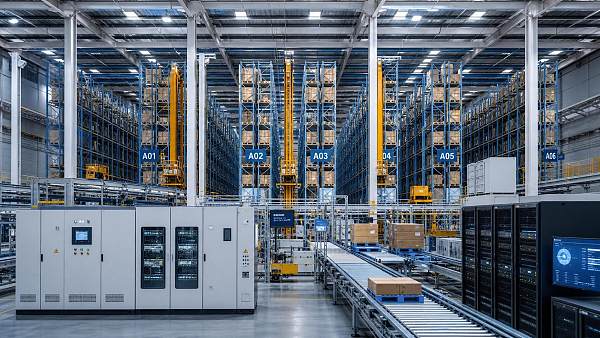
In real warehouse projects, automated storage and retrieval systems cost is shaped by throughput targets, SKU profile, building constraints, labor pressure, uptime expectations, and software complexity.
A narrow-aisle pallet system has a different cost logic than a tote-based goods-to-person setup.
The same is true for chilled storage, spare parts warehousing, e-commerce fulfillment, and industrial buffer storage.
This breakdown focuses on the major spending categories, the hidden cost drivers, and the numbers worth challenging before approval.
What Makes Up Automated Storage and Retrieval Systems Cost
Most proposals divide automated storage and retrieval systems cost into capital cost and recurring operating cost.
That sounds simple, but each category contains several layers.
Typical capital cost includes:
- Storage structure, racks, bins, totes, pallets, or trays
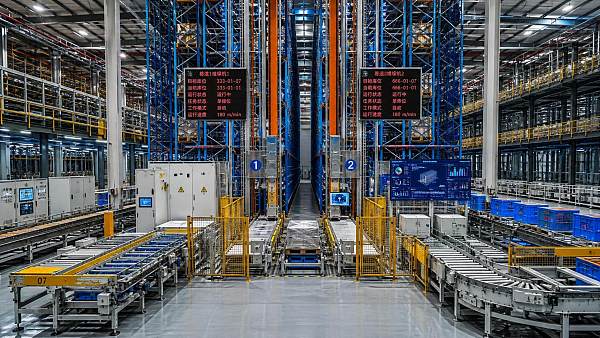
- Cranes, shuttles, lifts, conveyors, transfer cars, and pick stations
- Warehouse control software, WMS interfaces, and dashboards
- Electrical systems, safety fencing, sensors, scanners, and controls
- Building preparation, floor reinforcement, fire protection, and utilities
- Installation, testing, commissioning, and operator training
Recurring cost usually includes:
- Preventive maintenance and spare parts
- Software support, licenses, and cybersecurity updates
- Energy consumption and battery replacement where relevant
- On-site service, remote diagnostics, and uptime guarantees
- Process redesign and retraining after expansion or SKU changes
A useful review method is to ask whether the quote reflects ownership cost or only acquisition cost.
That distinction often determines whether the business case remains solid after year two.
The Biggest Cost Drivers in Real Projects
The largest line item is usually equipment, but the biggest cost driver is often system complexity.
A higher-throughput design needs more motion, more controls, and tighter system coordination.
That increases both upfront engineering and long-term maintenance.
1. Storage Density and Building Height
Higher density usually improves space utilization, but it does not always lower automated storage and retrieval systems cost.
Tall structures may require stronger floors, seismic design, special fire suppression, and more complex installation planning.
2. Throughput Requirements
Throughput has a direct impact on crane count, shuttle quantity, conveyor capacity, and software logic.
When peak demand is oversized, the system may become expensive and underused for most of the year.
3. SKU Variability and Handling Profile
Mixed carton sizes, unstable pallets, irregular parts, or batch-sensitive goods raise engineering complexity.
That often leads to custom grippers, added sensors, and slower commissioning.
4. Software Integration
Integration with ERP, WMS, MES, barcode systems, and fleet software is a major cost factor.
This area is frequently underestimated because hardware is easier to visualize than interface risk.
Typical Cost Ranges by System Type
Automated storage and retrieval systems cost can vary widely, so rough ranges are more useful than universal averages.
Actual pricing depends on region, supplier depth, compliance requirements, and customization.
These figures should be treated as directional, not final budgeting numbers.
Still, they help filter supplier proposals that appear unrealistically low or unnecessarily inflated.
Hidden Costs That Change the Business Case
The most overlooked part of automated storage and retrieval systems cost is usually outside the core machine scope.
Watch closely for these items:
- Downtime during installation or cutover
- Temporary labor needed during transition
- Data cleanup before software migration
- Pallet standardization and packaging redesign
- Local permits, inspections, and code compliance
- Spare parts inventory and emergency service contracts
A proposal that excludes these items may look competitive, but the total delivered cost can rise quickly.
More importantly, these hidden costs affect payback timing, which is often central to approval decisions.
How to Evaluate ROI Without Oversimplifying It
Automated storage and retrieval systems cost should always be evaluated against measurable operational gains.
Labor reduction is one benefit, but it should not be the only one in the model.
A stronger ROI model usually includes:
- Space savings that delay building expansion or off-site storage
- Lower picking errors and inventory variance
- Higher throughput during labor shortages or peak seasons
- Reduced product damage and better traceability
- Improved safety performance and lower incident exposure
- More stable service levels for key customers
From a finance perspective, the quality of assumptions matters as much as the headline ROI percentage.
A realistic five- to seven-year model is often more useful than an aggressive two-year payback promise.
This also means stress-testing labor rates, uptime assumptions, volume growth, and service contract escalation.
Questions to Ask Before Comparing Supplier Quotes
When automated storage and retrieval systems cost is under review, quote comparison should focus on scope clarity first.
These questions usually expose the real differences:
- What throughput is guaranteed, and under what operating conditions?
- Which interfaces are included, and which are billed later?
- What building modifications are assumed in the quote?
- What spare parts package is required for the first two years?
- How are uptime commitments defined and measured?
- What happens if SKU mix or order profile changes?
- How much expansion capacity is built into the design?
In many cases, the best quote is not the cheapest quote.
It is the one with the clearest assumptions, the strongest service structure, and the lowest risk of post-award surprises.
A Practical Way to Approve the Right Budget
A solid approval process for automated storage and retrieval systems cost usually combines technical validation with financial discipline.
A practical sequence looks like this:
- Confirm the operational problem being solved
- Define must-have throughput, accuracy, and uptime targets
- Separate optional features from required performance scope
- Build a total cost of ownership model, not just capex
- Challenge transition risk and integration assumptions
- Review supplier service depth in your operating region
That approach keeps the discussion tied to business performance rather than automation hype.
It also helps align spending with measurable gains in capacity, reliability, labor resilience, and inventory control.
In the end, automated storage and retrieval systems cost is not just a price tag.
It is a long-term operating decision, and the best approvals come from seeing the full cost structure before the contract is signed.
Recommended News
 Sep 11, 2026What drives rental equipment total cost of ownership beyond the daily rate?Rental equipment total cost of ownership goes beyond daily rates. Discover how transport, downtime, energy, labor, compliance, and off-rent control shape smarter rental decisions.
 Sep 02, 2026What determines warehouse stacking systems price for a new warehouse?Warehouse stacking systems price depends on density, loads, aisle design, forklifts, installation, safety, and lifecycle costs. Compare smarter for your new warehouse.
 Aug 26, 2026What drives ASRS integration pricing in warehouse automation projectsASRS integration pricing depends on software scope, site conditions, throughput goals, and risk allocation—not just equipment. Learn what really drives costs and compare bids with confidence.
 Aug 25, 2026When does renting logistics equipment in India cost less than buying?Logistics equipment India: Learn when renting costs less than buying by comparing utilization, maintenance, downtime, cash flow, and project flexibility for smarter decisions.
 Aug 19, 2026When does AGV warehouse systems integration pay off in existing facilities?AGV warehouse systems integration pays off when repetitive pallet moves, labor shortages, and safety costs hurt performance. Learn when retrofitting existing facilities delivers ROI.
 Aug 16, 2026What drives logistics equipment price in warehouse projects?Logistics equipment price in warehouse projects depends on capacity, power, safety, and automation—learn what really drives cost and make smarter buying decisions.
 Aug 03, 2026Scissor Lifts Price Breakdown: What Changes Cost by Height, Power, and Duty CycleScissor lifts price explained by height, power source, platform capacity, and duty cycle. Learn what really changes cost and compare quotes with confidence before you buy.
 Jul 30, 2026How Forklift Fleet Technology Cuts Downtime and Lowers Total CostForklift fleet technology helps reduce downtime, improve utilization, and lower total cost with smarter maintenance, battery control, and fleet visibility. Learn what buyers should evaluate.
 Jul 27, 2026Smart Winch Systems Cost: What Drives Total Price in 2026?Smart winch systems cost in 2026 depends on more than unit price. Explore key drivers like controls, safety, installation, and lifecycle support to budget smarter.
 Jul 21, 2026Industrial Automation Integration: Cost Drivers and ROI BenchmarksIndustrial automation integration costs are shaped by controls, software, retrofits, and downtime. Explore key ROI benchmarks, payback ranges, and practical ways to evaluate project value.
 Jul 18, 2026Material Handling Market Growth: Key Cost and Demand Signals for 2026Material handling market growth in 2026 is driven by labor costs, electrification, automation, and safety compliance. Discover key demand signals shaping smarter equipment investments.
 Jul 17, 2026Warehouse Automation Solutions with IoT: Costs, ROI, and Key Integration RisksWarehouse automation solutions with IoT: explore real costs, ROI timelines, and key integration risks to cut downtime, improve visibility, and choose the right system with confidence.
 Jul 15, 2026Heavy Lifting Equipment Price: What Drives Total Cost in 2026Heavy lifting equipment price in 2026 depends on more than the purchase quote. Learn the hidden cost drivers, lifecycle risks, and smart ways to compare offers before you buy.
 Jul 13, 2026Lifting Equipment Maintenance Cost: Budget Risks to WatchLifting equipment maintenance cost can quietly derail budgets. Learn the hidden risks, downtime drivers, and smart ways to control spend before the next budget cycle.
 Jul 13, 2026Heavy Load Positioning Systems Price: What Drives Total Cost?Heavy load positioning systems price depends on more than equipment cost. Learn the key drivers, hidden expenses, and how to compare quotes for safer, smarter investment decisions.
 Jul 11, 2026What to Check Before Choosing an Unmanned Material Handling CompanyUnmanned material handling company selection starts with the right checks. Learn how to evaluate safety, integration, service, and ROI before you choose a supplier.
 Jul 09, 2026Automated Warehousing Supplier Checklist: Integration, Uptime, and Expansion CostsAutomated warehousing supplier checklist covering integration, uptime, and expansion costs. Learn how to compare vendors, reduce risk, and protect long-term ROI.
 Jul 09, 2026How to Evaluate a Heavy Lifting Equipment Supplier for Long-Term Project RiskHeavy lifting equipment supplier evaluation starts with risk, not price. Learn how to assess safety, service, compliance, and long-term project reliability before you buy.
 Jul 08, 2026Lifting Equipment for Construction: What to Compare Before You Rent or BuyLifting equipment for construction: compare load capacity, site conditions, compliance, uptime, and total cost before you rent or buy to reduce risk and improve project ROI.
 Jul 07, 2026Forklift Lifecycle ROI: Cost Drivers That Change Long-Term OwnershipForklift lifecycle ROI starts beyond the purchase price. Discover how battery strategy, maintenance, downtime, safety, and resale value shape smarter long-term ownership decisions.
![]() Jul 06, 2026Port Material Handling Operations: Where Delays and Costs Usually StartPort material handling operations often lose time and money before cargo even moves. Discover where delays begin, what drives hidden costs, and how smarter equipment choices improve throughput.
Jul 06, 2026Port Material Handling Operations: Where Delays and Costs Usually StartPort material handling operations often lose time and money before cargo even moves. Discover where delays begin, what drives hidden costs, and how smarter equipment choices improve throughput. Jul 05, 2026Industrial Forklifts Cost Breakdown: Purchase, Energy, Maintenance, and ResaleIndustrial forklifts cost goes beyond the sticker price. Compare purchase, energy, maintenance, downtime, and resale value to choose the most cost-effective forklift.
 Jul 02, 2026How to Evaluate a Construction Access Equipment Manufacturer in 2026Construction access equipment manufacturer selection in 2026 goes beyond specs. Learn how to compare safety, compliance, service, telematics, and lifecycle cost for smarter buying decisions.
 Jul 01, 2026Automated Storage and Retrieval Systems Cost BreakdownAutomated storage and retrieval systems cost explained clearly: compare cost drivers, hidden expenses, ROI factors, and system price ranges before approving your warehouse automation budget.