Search News
Industry Portal
Popular Tags
How to Evaluate a Construction Access Equipment Manufacturer in 2026
Author
Time
Click Count
What really matters when evaluating a construction access equipment manufacturer in 2026?
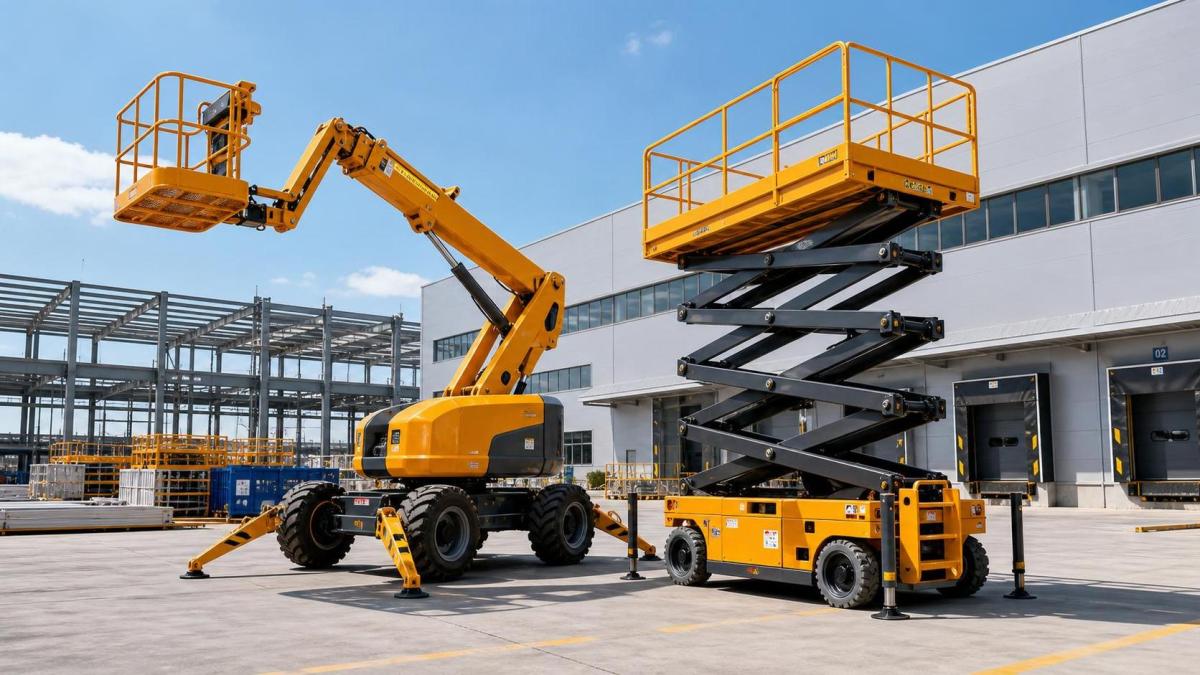
A product brochure can show platform height, load rating, and engine options. It cannot show how a supplier performs when deadlines tighten or compliance audits begin.
That is why a construction access equipment manufacturer should be judged as an operating partner, not only as a machine source.
In 2026, the evaluation standard is broader. Safety documentation, engineering discipline, parts support, telematics readiness, and fleet lifecycle value all carry more weight.
This is especially true in access equipment, where downtime, instability, or poor training can create immediate operational and liability exposure.
A useful way to frame the decision is simple: can this manufacturer deliver safe machines, stable supply, reliable service, and measurable value over years?
Across MHLE coverage, that same logic appears in forklifts, cranes, hoists, and aerial work platforms. Equipment quality only matters when matched with uptime, control, and compliance.
Is the manufacturer built for real jobsite risk, or just for catalog comparison?
Many suppliers look similar at first glance. The real difference appears when machines are used on uneven ground, in rental rotation, or under strict inspection schedules.
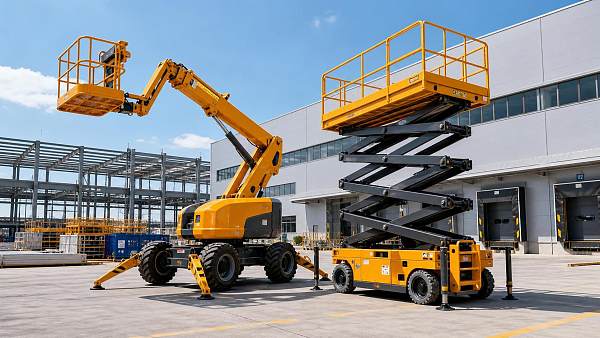
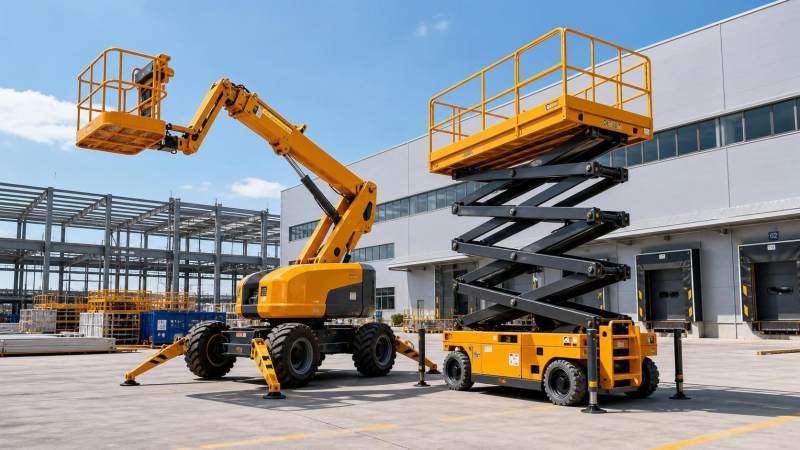
A credible construction access equipment manufacturer should demonstrate control over design, testing, and field feedback.
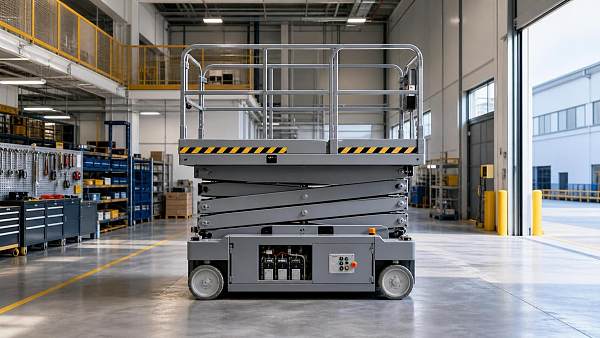
Start with core safety and structural questions. Ask how the manufacturer validates boom stability, platform leveling, overload protection, guardrail integrity, and emergency lowering functions.
Then move past features and ask for process evidence. Third-party testing, traceable welding standards, hydraulic quality controls, and documented inspection checkpoints matter more than generic claims.
In practical terms, better manufacturers usually provide:
- Clear compliance records for OSHA, ANSI, CE, or relevant local standards
- Detailed maintenance manuals and fault code logic
- Component traceability for critical hydraulic and electrical systems
- Site-use recommendations for weather, slope, and duty cycle limits
If those materials are vague or delayed, that usually signals weaker internal discipline.
Which evaluation points separate a dependable supplier from a risky one?
A structured scorecard helps. It keeps the decision anchored in evidence, especially when two bids are close on price.
The table below summarizes the questions that usually reveal the true capability of a construction access equipment manufacturer.
This approach works well across the wider MHLE market too. Buyers evaluating cranes, forklifts, or lifts usually reach the same conclusion: unsupported low pricing creates expensive operational risk later.
How much weight should technology and data capability carry now?
More than it did a few years ago. Access equipment is increasingly judged by visibility, not only by mechanical performance.
A strong construction access equipment manufacturer should offer meaningful data tools, not cosmetic dashboards.
Useful functions include runtime tracking, battery health reporting, geofencing, service alerts, operator behavior logs, and remote fault diagnostics.
These features matter because access fleets often work across multiple sites, rental pools, shutdown projects, or mixed maintenance teams.
The better question is not whether telematics exists. It is whether the data helps reduce idle time, misuse, inspection failure, or emergency repair events.
In MHLE analysis, this pattern already shapes forklift fleets and automated lifting systems. IoT value becomes real when it improves uptime and decision quality.
Battery strategy also deserves attention. If the product range includes lithium-ion units, ask about charging cycles, thermal controls, warranty terms, and field replacement procedures.
A manufacturer that understands electrification should explain where electric lifts fit best, and where diesel or hybrid machines still make more sense.
When prices look close, what hidden cost drivers should be checked?
This is where many decisions drift off course. Similar purchase prices can hide very different ownership outcomes.
The first hidden cost is downtime. A machine that waits five days for parts is often more expensive than a higher-priced unit with local stock support.
The second is maintenance frequency. Short service intervals, weak hose life, or difficult access to key components increase labor cost quickly.
The third is training burden. A control system that is hard to learn raises misuse risk and slows deployment.
More subtle cost drivers include transport dimensions, tire wear rate, battery replacement terms, software subscription fees, and resale confidence.
A practical review should compare at least these points:
- Expected annual service hours per unit
- Average spare parts lead time
- Consumable replacement cost over three years
- Warranty exclusions and labor coverage
- Residual value in local secondary markets
When a construction access equipment manufacturer can quantify these items, the discussion usually becomes more credible and less promotional.
What mistakes show up most often during supplier selection?
One common mistake is treating all certifications as equal. A document may exist, yet still be irrelevant for the target country or application class.
Another is evaluating the factory visit as a visual tour instead of a process review. Clean assembly lines look good, but quality control records tell a deeper story.
A third mistake is skipping reference checks in similar operating conditions. Indoor maintenance work, rough-terrain construction, and rental usage create different stress patterns.
It is also risky to separate machine selection from service capability. In access equipment, after-sales readiness is part of the product.
More careful evaluations usually include reference calls, parts availability tests, and a review of real fault escalation procedures.
That discipline mirrors broader MHLE best practice, where uptime, safety compliance, and field support often decide success more than headline specifications.
So how should the final decision be made?
The strongest final decision usually comes from a weighted comparison, not from instinct or a single demo.
Start by defining the actual use profile. Include work height, terrain, utilization rate, transport limits, site regulations, and expected service coverage.
Then score each construction access equipment manufacturer against the same evidence set. Keep pricing visible, but avoid letting it dominate the early screening stage.
A balanced final review often includes compliance strength, engineering quality, delivery confidence, digital capability, service reach, and three-to-five-year ownership cost.
If two suppliers remain close, use a short field validation plan. Confirm setup time, operator acceptance, fault visibility, and service response under realistic conditions.
That kind of disciplined comparison reduces selection risk and creates a better record for internal approval.
In the end, the right construction access equipment manufacturer is the one that can support safe access, predictable uptime, and defensible lifecycle value long after delivery.
The next step is practical: build a shortlist, request evidence instead of claims, compare total operating impact, and test whether support quality matches the machine promise.
Recommended News
 Sep 11, 2026What drives rental equipment total cost of ownership beyond the daily rate?Rental equipment total cost of ownership goes beyond daily rates. Discover how transport, downtime, energy, labor, compliance, and off-rent control shape smarter rental decisions.
 Sep 02, 2026What determines warehouse stacking systems price for a new warehouse?Warehouse stacking systems price depends on density, loads, aisle design, forklifts, installation, safety, and lifecycle costs. Compare smarter for your new warehouse.
 Aug 26, 2026What drives ASRS integration pricing in warehouse automation projectsASRS integration pricing depends on software scope, site conditions, throughput goals, and risk allocation—not just equipment. Learn what really drives costs and compare bids with confidence.
 Aug 25, 2026When does renting logistics equipment in India cost less than buying?Logistics equipment India: Learn when renting costs less than buying by comparing utilization, maintenance, downtime, cash flow, and project flexibility for smarter decisions.
 Aug 19, 2026When does AGV warehouse systems integration pay off in existing facilities?AGV warehouse systems integration pays off when repetitive pallet moves, labor shortages, and safety costs hurt performance. Learn when retrofitting existing facilities delivers ROI.
 Aug 16, 2026What drives logistics equipment price in warehouse projects?Logistics equipment price in warehouse projects depends on capacity, power, safety, and automation—learn what really drives cost and make smarter buying decisions.
 Aug 03, 2026Scissor Lifts Price Breakdown: What Changes Cost by Height, Power, and Duty CycleScissor lifts price explained by height, power source, platform capacity, and duty cycle. Learn what really changes cost and compare quotes with confidence before you buy.
 Jul 30, 2026How Forklift Fleet Technology Cuts Downtime and Lowers Total CostForklift fleet technology helps reduce downtime, improve utilization, and lower total cost with smarter maintenance, battery control, and fleet visibility. Learn what buyers should evaluate.
 Jul 27, 2026Smart Winch Systems Cost: What Drives Total Price in 2026?Smart winch systems cost in 2026 depends on more than unit price. Explore key drivers like controls, safety, installation, and lifecycle support to budget smarter.
 Jul 21, 2026Industrial Automation Integration: Cost Drivers and ROI BenchmarksIndustrial automation integration costs are shaped by controls, software, retrofits, and downtime. Explore key ROI benchmarks, payback ranges, and practical ways to evaluate project value.
 Jul 18, 2026Material Handling Market Growth: Key Cost and Demand Signals for 2026Material handling market growth in 2026 is driven by labor costs, electrification, automation, and safety compliance. Discover key demand signals shaping smarter equipment investments.
 Jul 17, 2026Warehouse Automation Solutions with IoT: Costs, ROI, and Key Integration RisksWarehouse automation solutions with IoT: explore real costs, ROI timelines, and key integration risks to cut downtime, improve visibility, and choose the right system with confidence.
 Jul 15, 2026Heavy Lifting Equipment Price: What Drives Total Cost in 2026Heavy lifting equipment price in 2026 depends on more than the purchase quote. Learn the hidden cost drivers, lifecycle risks, and smart ways to compare offers before you buy.
 Jul 13, 2026Lifting Equipment Maintenance Cost: Budget Risks to WatchLifting equipment maintenance cost can quietly derail budgets. Learn the hidden risks, downtime drivers, and smart ways to control spend before the next budget cycle.
 Jul 13, 2026Heavy Load Positioning Systems Price: What Drives Total Cost?Heavy load positioning systems price depends on more than equipment cost. Learn the key drivers, hidden expenses, and how to compare quotes for safer, smarter investment decisions.
 Jul 11, 2026What to Check Before Choosing an Unmanned Material Handling CompanyUnmanned material handling company selection starts with the right checks. Learn how to evaluate safety, integration, service, and ROI before you choose a supplier.
 Jul 09, 2026Automated Warehousing Supplier Checklist: Integration, Uptime, and Expansion CostsAutomated warehousing supplier checklist covering integration, uptime, and expansion costs. Learn how to compare vendors, reduce risk, and protect long-term ROI.
 Jul 09, 2026How to Evaluate a Heavy Lifting Equipment Supplier for Long-Term Project RiskHeavy lifting equipment supplier evaluation starts with risk, not price. Learn how to assess safety, service, compliance, and long-term project reliability before you buy.
 Jul 08, 2026Lifting Equipment for Construction: What to Compare Before You Rent or BuyLifting equipment for construction: compare load capacity, site conditions, compliance, uptime, and total cost before you rent or buy to reduce risk and improve project ROI.
 Jul 07, 2026Forklift Lifecycle ROI: Cost Drivers That Change Long-Term OwnershipForklift lifecycle ROI starts beyond the purchase price. Discover how battery strategy, maintenance, downtime, safety, and resale value shape smarter long-term ownership decisions.
![]() Jul 06, 2026Port Material Handling Operations: Where Delays and Costs Usually StartPort material handling operations often lose time and money before cargo even moves. Discover where delays begin, what drives hidden costs, and how smarter equipment choices improve throughput.
Jul 06, 2026Port Material Handling Operations: Where Delays and Costs Usually StartPort material handling operations often lose time and money before cargo even moves. Discover where delays begin, what drives hidden costs, and how smarter equipment choices improve throughput. Jul 05, 2026Industrial Forklifts Cost Breakdown: Purchase, Energy, Maintenance, and ResaleIndustrial forklifts cost goes beyond the sticker price. Compare purchase, energy, maintenance, downtime, and resale value to choose the most cost-effective forklift.
 Jul 02, 2026How to Evaluate a Construction Access Equipment Manufacturer in 2026Construction access equipment manufacturer selection in 2026 goes beyond specs. Learn how to compare safety, compliance, service, telematics, and lifecycle cost for smarter buying decisions.
 Jul 01, 2026Automated Storage and Retrieval Systems Cost BreakdownAutomated storage and retrieval systems cost explained clearly: compare cost drivers, hidden expenses, ROI factors, and system price ranges before approving your warehouse automation budget.