Search News
Industry Portal
Popular Tags
Warehouse Automation Pricing: What Drives Total Cost in 2026?
Author
Time
Click Count
Warehouse Automation Pricing: What Drives Total Cost in 2026?
Warehouse automation pricing is no longer defined by equipment alone.
In 2026, cost decisions depend on software, layout readiness, labor impact, maintenance, energy, and future expansion.
That makes procurement more complex, but also more measurable.
A low entry quote can become an expensive program once integration, downtime risk, and support contracts are included.
A higher initial bid may deliver stronger uptime, faster payback, and lower operating friction over five to seven years.
This is why warehouse automation pricing should be reviewed as total cost, not purchase price.
Why Warehouse Automation Pricing Changed in 2026
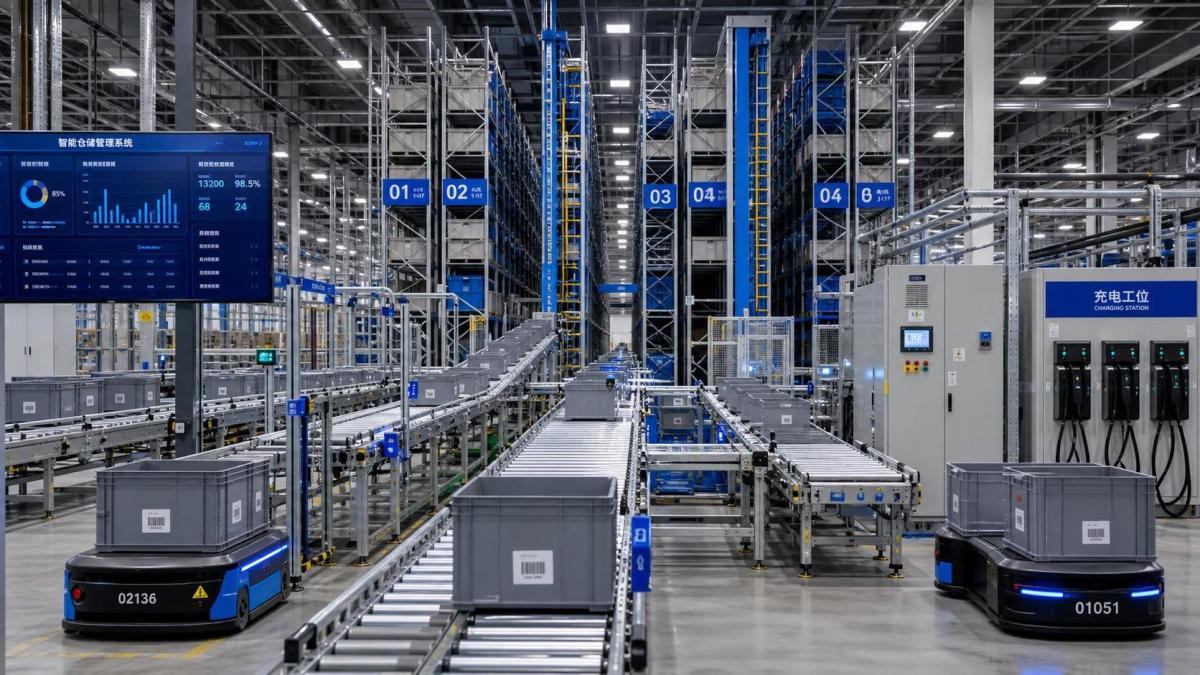
From recent market shifts, the clearest change is that automation projects are now more connected.
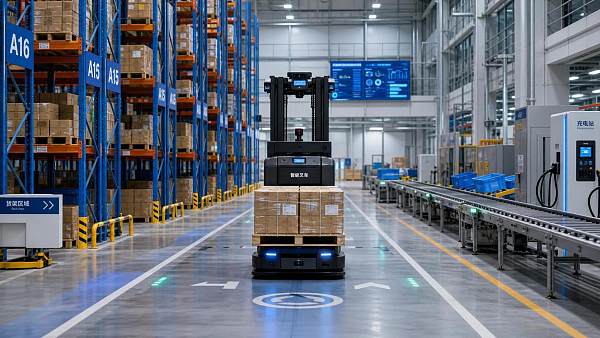
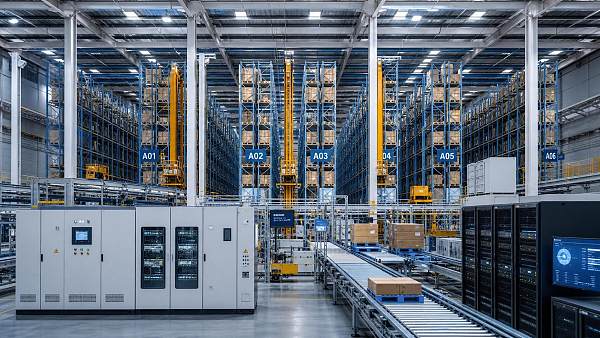
Buyers are no longer comparing only conveyors, AGVs, AS/RS systems, or robotic pallet handling cells.
They are comparing complete operating systems for warehouse flow.
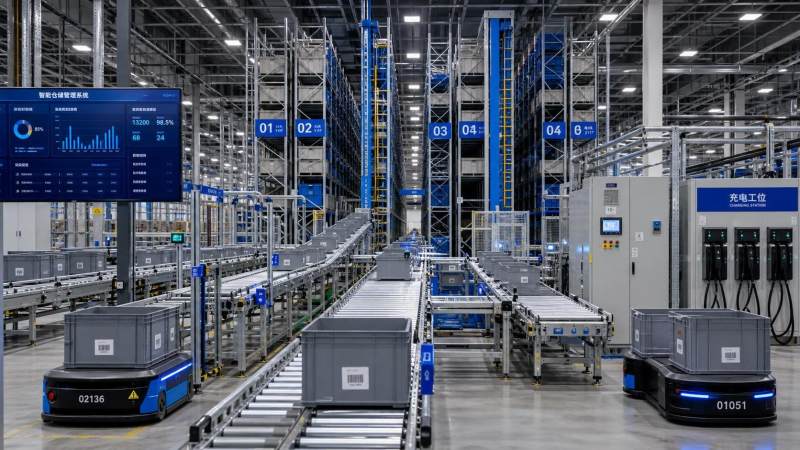
That includes WMS integration, fleet control software, battery charging strategy, safety systems, and data visibility.
In practical terms, warehouse automation pricing now reflects business complexity more than machine count.
Facilities with narrow aisles, variable SKU movement, or older racking often face higher deployment cost.
Sites with clean process discipline usually control cost better.
Another signal is labor economics.
Rising wage pressure makes automation more attractive, but it also raises expectations for measurable ROI.
Financial approval now depends on validated throughput gains, not generic productivity claims.
The Main Cost Drivers Behind Warehouse Automation Pricing
The most important step is to separate visible cost from structural cost.
Visible cost is what appears in the supplier quote.
Structural cost appears during implementation and operation.
1. System Type and Automation Depth
Warehouse automation pricing rises sharply with system sophistication.
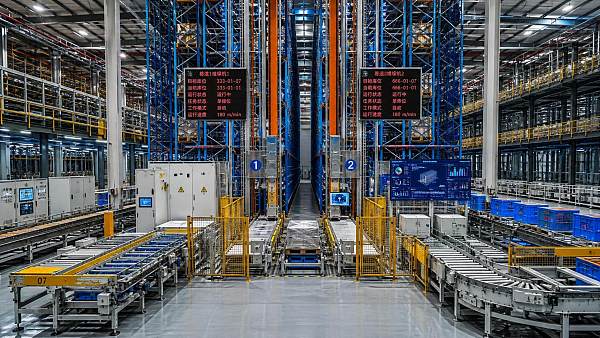
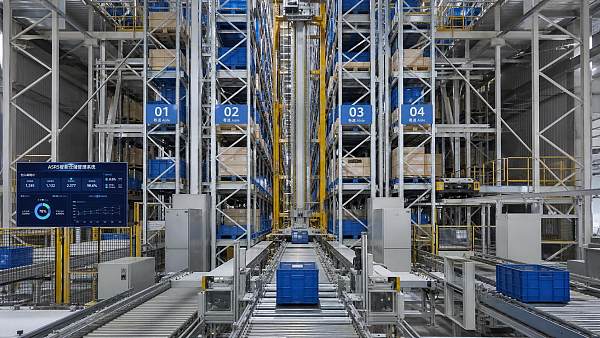
A goods-to-person picking station costs differently from an AGV forklift fleet or a high-bay AS/RS installation.
Semi-automation often lowers upfront capital.
Full automation usually improves consistency, but adds controls, sensors, software, and commissioning work.
2. Software Integration
Software has become one of the biggest drivers of warehouse automation pricing.
Integration with ERP, WMS, MES, and fleet monitoring platforms can add major engineering cost.
Custom interfaces are especially expensive when legacy systems lack clean data structure.
This also affects project timing, which affects cash flow and startup risk.
3. Facility Readiness
Many buyers underestimate site preparation.
Floor flatness, rack alignment, Wi-Fi coverage, fire compliance, charging zones, and traffic segregation all matter.
If the building is not ready, warehouse automation pricing effectively rises after contract signing.
4. Throughput and Peak Load Requirements
A system designed for average volume is cheaper than one built for seasonal peaks.
But under-sizing creates expensive bottlenecks later.
The better approach is to price warehouse automation against realistic peak operating windows.
5. Safety, Compliance, and Redundancy
Safety systems are not optional cost add-ons.
Guarding, light curtains, collision avoidance, access control, and audit-ready records all affect warehouse automation pricing.
The same applies to backup power, spare parts, and fail-safe operating logic.
Hidden Costs That Distort Automation ROI
The biggest budgeting mistakes usually come from costs outside the main equipment proposal.
These hidden expenses change the real meaning of warehouse automation pricing.
- Downtime during installation, especially in live warehouses.
- Training for supervisors, operators, maintenance teams, and IT staff.
- Annual software licenses, cybersecurity updates, and cloud service fees.
- Battery replacement cycles and charging infrastructure upgrades.
- Remote support contracts and response-time guarantees.
- Spare parts inventory needed to protect uptime.
- Change management during process redesign.
In real projects, these items can decide whether the payback model stays credible.
That is why warehouse automation pricing should be tested against a five-year operating model.
How Financial Review Should Compare Automation Options
A useful comparison framework starts with standardizing assumptions.
Without that, two warehouse automation pricing proposals cannot be fairly compared.
This review method keeps warehouse automation pricing tied to operating outcomes.
It also reduces the common bias toward the lowest quoted number.
Questions That Improve Procurement Accuracy
Better sourcing decisions usually come from better questions.
Before approving warehouse automation pricing, ask for direct answers on these points.
- What performance level is guaranteed in writing?
- What existing building conditions are assumed in the proposal?
- Which software modules are included, and which are optional?
- How much downtime is expected during installation and testing?
- What is the service response time for critical failures?
- How are spare parts stocked locally or regionally?
- What cost appears if throughput increases by 20 percent?
These questions expose whether warehouse automation pricing is robust or incomplete.
They also help distinguish a technology vendor from a true implementation partner.
Where Lower Cost Still Makes Sense
Not every warehouse needs full-scale automation on day one.
Sometimes lower warehouse automation pricing is the right decision.
That is often true when SKU profiles are unstable, order volume is still volatile, or process discipline is immature.
In those cases, phased automation can protect capital.
Examples include guided pallet transport, selective robotic picking, or software-led workflow control before hardware expansion.
This approach creates data first, then supports a larger investment with stronger evidence.
A Practical Way to Read Warehouse Automation Pricing
By 2026, warehouse automation pricing is really a test of operational clarity.
The right investment case connects equipment cost with software fit, facility readiness, labor strategy, energy use, and support quality.
When those factors are priced together, procurement risk falls and ROI becomes easier to defend.
The strongest decisions usually come from side-by-side total cost analysis, written performance assumptions, and phased implementation logic where needed.
That is the clearest way to evaluate warehouse automation pricing without being misled by a narrow quote.
Start with total cost, test every assumption, and approve only the option that stays resilient after real operating conditions are applied.
Recommended News
 Sep 11, 2026What drives rental equipment total cost of ownership beyond the daily rate?Rental equipment total cost of ownership goes beyond daily rates. Discover how transport, downtime, energy, labor, compliance, and off-rent control shape smarter rental decisions.
 Sep 02, 2026What determines warehouse stacking systems price for a new warehouse?Warehouse stacking systems price depends on density, loads, aisle design, forklifts, installation, safety, and lifecycle costs. Compare smarter for your new warehouse.
 Aug 26, 2026What drives ASRS integration pricing in warehouse automation projectsASRS integration pricing depends on software scope, site conditions, throughput goals, and risk allocation—not just equipment. Learn what really drives costs and compare bids with confidence.
 Aug 25, 2026When does renting logistics equipment in India cost less than buying?Logistics equipment India: Learn when renting costs less than buying by comparing utilization, maintenance, downtime, cash flow, and project flexibility for smarter decisions.
 Aug 19, 2026When does AGV warehouse systems integration pay off in existing facilities?AGV warehouse systems integration pays off when repetitive pallet moves, labor shortages, and safety costs hurt performance. Learn when retrofitting existing facilities delivers ROI.
 Aug 16, 2026What drives logistics equipment price in warehouse projects?Logistics equipment price in warehouse projects depends on capacity, power, safety, and automation—learn what really drives cost and make smarter buying decisions.
 Aug 03, 2026Scissor Lifts Price Breakdown: What Changes Cost by Height, Power, and Duty CycleScissor lifts price explained by height, power source, platform capacity, and duty cycle. Learn what really changes cost and compare quotes with confidence before you buy.
 Jul 30, 2026How Forklift Fleet Technology Cuts Downtime and Lowers Total CostForklift fleet technology helps reduce downtime, improve utilization, and lower total cost with smarter maintenance, battery control, and fleet visibility. Learn what buyers should evaluate.
 Jul 27, 2026Smart Winch Systems Cost: What Drives Total Price in 2026?Smart winch systems cost in 2026 depends on more than unit price. Explore key drivers like controls, safety, installation, and lifecycle support to budget smarter.
 Jul 21, 2026Industrial Automation Integration: Cost Drivers and ROI BenchmarksIndustrial automation integration costs are shaped by controls, software, retrofits, and downtime. Explore key ROI benchmarks, payback ranges, and practical ways to evaluate project value.
 Jul 18, 2026Material Handling Market Growth: Key Cost and Demand Signals for 2026Material handling market growth in 2026 is driven by labor costs, electrification, automation, and safety compliance. Discover key demand signals shaping smarter equipment investments.
 Jul 17, 2026Warehouse Automation Solutions with IoT: Costs, ROI, and Key Integration RisksWarehouse automation solutions with IoT: explore real costs, ROI timelines, and key integration risks to cut downtime, improve visibility, and choose the right system with confidence.
 Jul 15, 2026Heavy Lifting Equipment Price: What Drives Total Cost in 2026Heavy lifting equipment price in 2026 depends on more than the purchase quote. Learn the hidden cost drivers, lifecycle risks, and smart ways to compare offers before you buy.
 Jul 13, 2026Lifting Equipment Maintenance Cost: Budget Risks to WatchLifting equipment maintenance cost can quietly derail budgets. Learn the hidden risks, downtime drivers, and smart ways to control spend before the next budget cycle.
 Jul 13, 2026Heavy Load Positioning Systems Price: What Drives Total Cost?Heavy load positioning systems price depends on more than equipment cost. Learn the key drivers, hidden expenses, and how to compare quotes for safer, smarter investment decisions.
 Jul 11, 2026What to Check Before Choosing an Unmanned Material Handling CompanyUnmanned material handling company selection starts with the right checks. Learn how to evaluate safety, integration, service, and ROI before you choose a supplier.
 Jul 09, 2026Automated Warehousing Supplier Checklist: Integration, Uptime, and Expansion CostsAutomated warehousing supplier checklist covering integration, uptime, and expansion costs. Learn how to compare vendors, reduce risk, and protect long-term ROI.
 Jul 09, 2026How to Evaluate a Heavy Lifting Equipment Supplier for Long-Term Project RiskHeavy lifting equipment supplier evaluation starts with risk, not price. Learn how to assess safety, service, compliance, and long-term project reliability before you buy.
 Jul 08, 2026Lifting Equipment for Construction: What to Compare Before You Rent or BuyLifting equipment for construction: compare load capacity, site conditions, compliance, uptime, and total cost before you rent or buy to reduce risk and improve project ROI.
 Jul 07, 2026Forklift Lifecycle ROI: Cost Drivers That Change Long-Term OwnershipForklift lifecycle ROI starts beyond the purchase price. Discover how battery strategy, maintenance, downtime, safety, and resale value shape smarter long-term ownership decisions.
![]() Jul 06, 2026Port Material Handling Operations: Where Delays and Costs Usually StartPort material handling operations often lose time and money before cargo even moves. Discover where delays begin, what drives hidden costs, and how smarter equipment choices improve throughput.
Jul 06, 2026Port Material Handling Operations: Where Delays and Costs Usually StartPort material handling operations often lose time and money before cargo even moves. Discover where delays begin, what drives hidden costs, and how smarter equipment choices improve throughput. Jul 05, 2026Industrial Forklifts Cost Breakdown: Purchase, Energy, Maintenance, and ResaleIndustrial forklifts cost goes beyond the sticker price. Compare purchase, energy, maintenance, downtime, and resale value to choose the most cost-effective forklift.
 Jul 02, 2026How to Evaluate a Construction Access Equipment Manufacturer in 2026Construction access equipment manufacturer selection in 2026 goes beyond specs. Learn how to compare safety, compliance, service, telematics, and lifecycle cost for smarter buying decisions.
 Jul 01, 2026Automated Storage and Retrieval Systems Cost BreakdownAutomated storage and retrieval systems cost explained clearly: compare cost drivers, hidden expenses, ROI factors, and system price ranges before approving your warehouse automation budget.