Search News
Industry Portal
Popular Tags
How to Evaluate a Material Handling Automation Company
Author
Time
Click Count
Choosing a material handling automation company is rarely just a purchasing decision. It shapes throughput, labor use, safety exposure, system visibility, and the pace of future expansion.
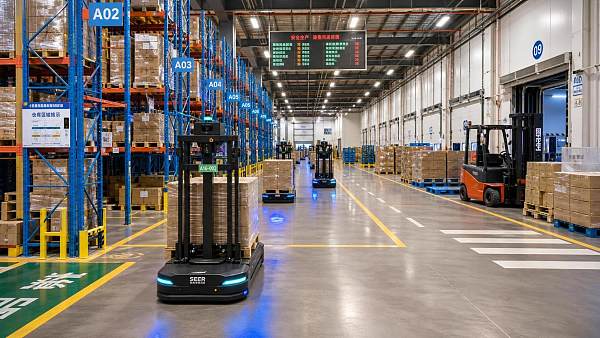
In warehouses, plants, ports, and distribution hubs, automation now touches forklifts, AGV fleets, automated cranes, hoists, conveyors, battery systems, and IoT monitoring.
That makes supplier evaluation more complex. The right partner must understand equipment, controls, compliance, data flow, maintenance, and the commercial reality behind lifecycle ROI.
A strong review process helps separate an impressive demo from a durable operating solution. It also reduces the risk of buying automation that performs well in theory but struggles in daily production.
What a material handling automation company actually delivers
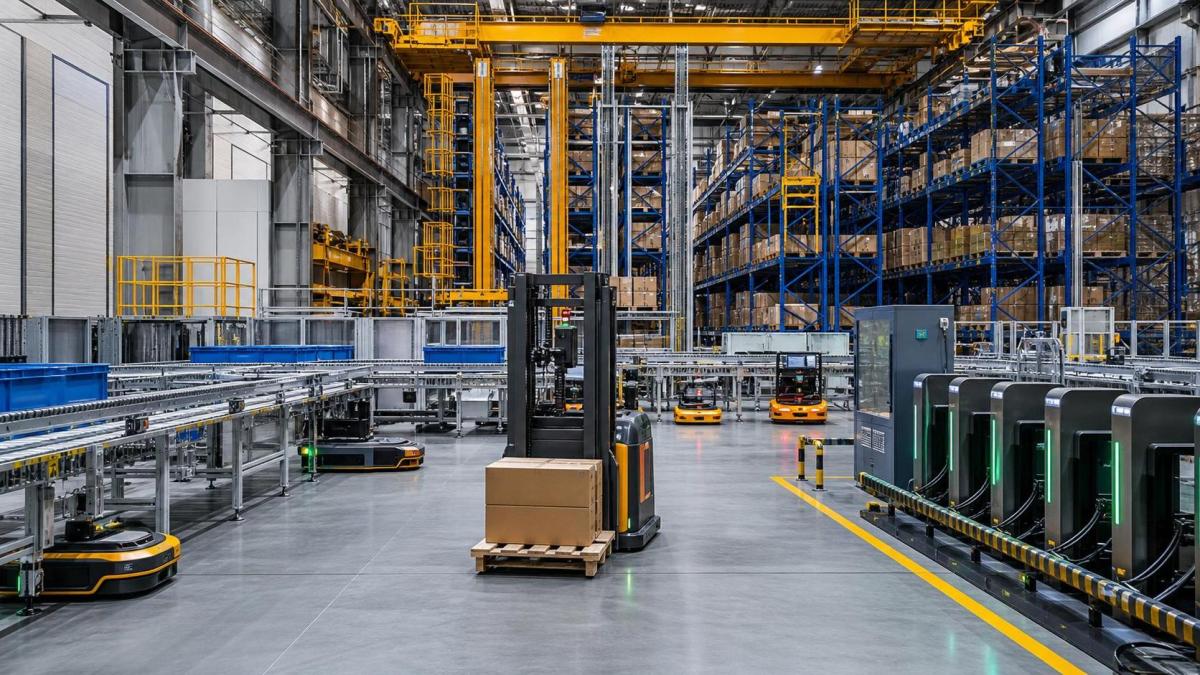
At a basic level, a material handling automation company designs or integrates systems that move, store, position, lift, or track materials with less manual intervention.
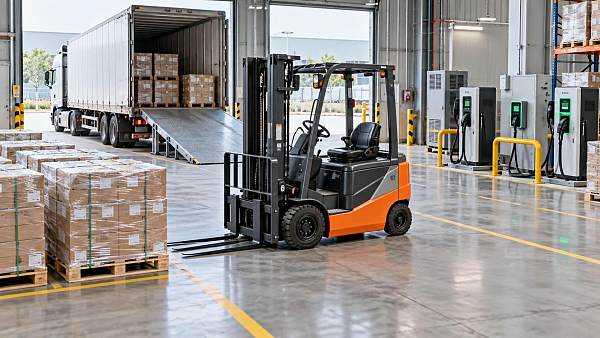
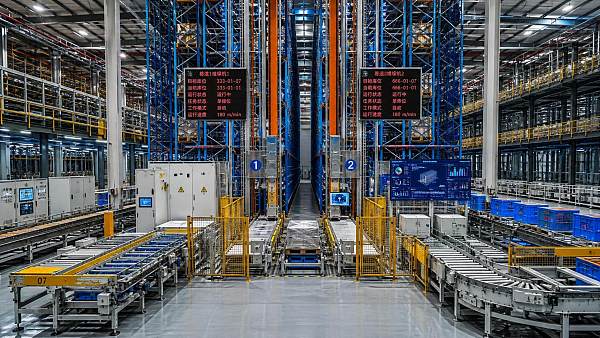
That may include AGV forklifts, VNA warehouse vehicles, automated cranes, smart winches, electric hoists, fleet telematics, traffic control software, and warehouse execution logic.
Some firms are product manufacturers. Others act mainly as system integrators. The difference matters because integration capability often decides whether separate assets work as one operation.
In practice, the best automation suppliers do more than install machines. They translate workflow goals into load handling logic, travel paths, safety zones, charging routines, and data reporting.
Why evaluation standards have become stricter
Material handling automation is now tied to broader operational pressure. Facilities are expected to increase speed, cut damage, reduce labor variability, and maintain higher compliance discipline.
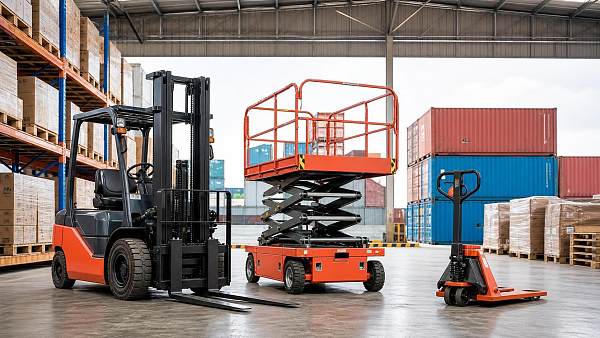
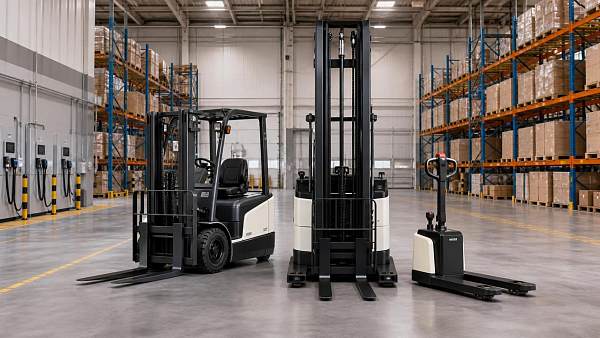
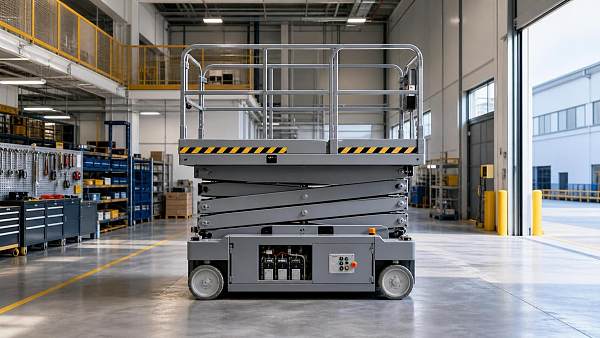
That pressure is visible across forklift fleets, overhead cranes, gantry cranes, aerial work platforms, and lifting systems used in factories, shipyards, workshops, and logistics sites.
A weak automation partner can create hidden costs. Common failures include unstable software integration, poor spare parts access, unclear safety responsibility, and low uptime after commissioning.
A capable material handling automation company should therefore be judged on operational fit, not marketing breadth. The question is whether the system will still perform after the launch phase ends.
Start with workflow fit, not equipment catalogs
A practical evaluation begins with the process being automated. Pallet movement, rack interface, aisle geometry, load variance, lift height, floor condition, and shift pattern all change the answer.
For example, an AGV forklift plan for a battery plant differs sharply from an automated crane setup in a steel workshop or a smart hoist deployment in maintenance operations.
This is where many comparisons go wrong. Buyers often compare machine specifications before confirming whether the supplier understands the actual movement sequence and process constraints.
A credible material handling automation company should ask detailed questions early. If it does not examine loads, routes, interfaces, and safety exceptions, the proposal is probably too generic.
Key workflow questions
- What materials move, and how variable are dimensions, weight, and center of gravity?
- Which transfer points create the most delay, damage, or labor dependency?
- What uptime target is required by the operation, not just by the machine supplier?
- Which manual interventions will still remain after automation goes live?
- How will the system behave during peak periods, battery charging, or blocked routes?
Technical depth matters more than broad claims
A good material handling automation company should show competence across mechanics, controls, software, and safety architecture.
That includes topics such as mast stability, anti-sway control, VFD logic, overload protection, auto-leveling, sensor redundancy, battery strategy, and fleet communication protocols.
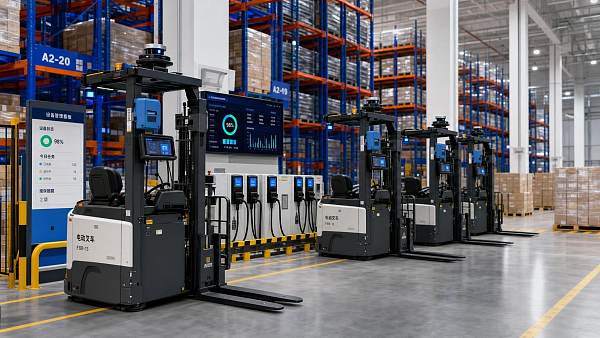
Technical depth becomes especially important when systems involve multiple equipment types. A site may combine automated forklifts, cranes, lithium-ion charging, and IoT fleet monitoring in one workflow.
In those cases, integration errors multiply quickly. Small control mismatches can create travel delays, unsafe handoffs, poor positioning accuracy, or higher maintenance load.
What strong technical evidence looks like
Safety and compliance should be reviewed as operating disciplines
Automation does not remove safety responsibility. In many cases, it redistributes it across software logic, sensing, machine guarding, operator access, and inspection routines.
This is especially relevant in environments using overhead lifting, heavy forklifts, boom lifts, or mixed pedestrian and vehicle traffic.
A material handling automation company should be able to explain compliance readiness in practical terms. That includes OSHA or CE alignment where applicable, documented risk assessment, and inspection planning.
More importantly, it should define failure behavior. What happens during sensor loss, overload events, battery faults, blocked aisles, or communication interruption matters more than polished brochures.
Service capability often decides long-term value
Many automation systems look similar during procurement. Differences become obvious after six months of operation, when maintenance quality, software support, and parts supply begin affecting uptime.
This is one reason supplier evaluation should include local or regional service reach, remote diagnostics, technician depth, and access to replacement components.
For equipment such as automated forklifts, wire rope hoists, gantry cranes, and lithium-ion systems, downtime can spread across several connected processes.
A capable material handling automation company should state response times, preventive maintenance scope, software update policy, and responsibilities between OEM, integrator, and site team.
Useful service checks during evaluation
- Ask for real uptime data from installed projects with similar duty cycles.
- Review spare parts strategy for wear items, controls, sensors, and batteries.
- Confirm whether software support is included or billed separately.
- Check who owns integration issues when third-party systems fail together.
- Examine training plans for operators, supervisors, and maintenance personnel.
Use cases reveal whether the supplier understands your environment
Case history is more valuable when it matches the operating context. A project in a high-volume e-commerce warehouse does not automatically validate a solution for a port workshop or steel plant.
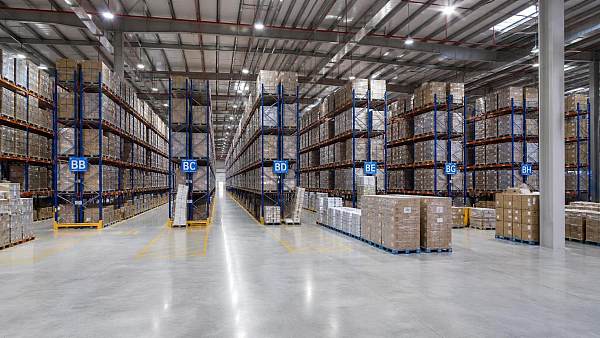
Relevant examples may involve VNA storage, repetitive pallet transfer, heavy-load crane positioning, AWP fleet charging, or predictive maintenance tied to IoT sensors.
Industry intelligence platforms such as MHLE are useful here because they connect equipment knowledge with application context, compliance expectations, and supplier visibility across global markets.
That wider view helps test supplier claims against real operating requirements, especially where safety, export readiness, uptime, and lifecycle economics are closely linked.
A practical scorecard for comparing suppliers
A structured scorecard keeps decisions grounded. It also prevents the selection process from drifting toward the lowest bid or the most visually advanced demonstration.
This kind of framework makes it easier to compare a specialist material handling automation company with a broader industrial integrator or equipment-led vendor.
What to do before making the final choice
Shortlist suppliers only after defining the site problem in measurable terms. Travel time, pallet accuracy, downtime exposure, labor dependency, safety incidents, and expansion plans should all be visible.
Then test each material handling automation company against the same operating scenarios, acceptance criteria, and support expectations.
A useful next step is to review reference projects, request fault-response logic, and compare lifecycle assumptions rather than headline capital cost alone.
When the evaluation stays tied to workflow reality, technical depth, compliance discipline, and service capability, the final decision becomes far more defensible and far more useful over time.
Recommended News
 Sep 11, 2026What drives rental equipment total cost of ownership beyond the daily rate?Rental equipment total cost of ownership goes beyond daily rates. Discover how transport, downtime, energy, labor, compliance, and off-rent control shape smarter rental decisions.
 Sep 02, 2026What determines warehouse stacking systems price for a new warehouse?Warehouse stacking systems price depends on density, loads, aisle design, forklifts, installation, safety, and lifecycle costs. Compare smarter for your new warehouse.
 Aug 26, 2026What drives ASRS integration pricing in warehouse automation projectsASRS integration pricing depends on software scope, site conditions, throughput goals, and risk allocation—not just equipment. Learn what really drives costs and compare bids with confidence.
 Aug 25, 2026When does renting logistics equipment in India cost less than buying?Logistics equipment India: Learn when renting costs less than buying by comparing utilization, maintenance, downtime, cash flow, and project flexibility for smarter decisions.
 Aug 19, 2026When does AGV warehouse systems integration pay off in existing facilities?AGV warehouse systems integration pays off when repetitive pallet moves, labor shortages, and safety costs hurt performance. Learn when retrofitting existing facilities delivers ROI.
 Aug 16, 2026What drives logistics equipment price in warehouse projects?Logistics equipment price in warehouse projects depends on capacity, power, safety, and automation—learn what really drives cost and make smarter buying decisions.
 Aug 03, 2026Scissor Lifts Price Breakdown: What Changes Cost by Height, Power, and Duty CycleScissor lifts price explained by height, power source, platform capacity, and duty cycle. Learn what really changes cost and compare quotes with confidence before you buy.
 Jul 30, 2026How Forklift Fleet Technology Cuts Downtime and Lowers Total CostForklift fleet technology helps reduce downtime, improve utilization, and lower total cost with smarter maintenance, battery control, and fleet visibility. Learn what buyers should evaluate.
 Jul 27, 2026Smart Winch Systems Cost: What Drives Total Price in 2026?Smart winch systems cost in 2026 depends on more than unit price. Explore key drivers like controls, safety, installation, and lifecycle support to budget smarter.
 Jul 21, 2026Industrial Automation Integration: Cost Drivers and ROI BenchmarksIndustrial automation integration costs are shaped by controls, software, retrofits, and downtime. Explore key ROI benchmarks, payback ranges, and practical ways to evaluate project value.
 Jul 18, 2026Material Handling Market Growth: Key Cost and Demand Signals for 2026Material handling market growth in 2026 is driven by labor costs, electrification, automation, and safety compliance. Discover key demand signals shaping smarter equipment investments.
 Jul 17, 2026Warehouse Automation Solutions with IoT: Costs, ROI, and Key Integration RisksWarehouse automation solutions with IoT: explore real costs, ROI timelines, and key integration risks to cut downtime, improve visibility, and choose the right system with confidence.
 Jul 15, 2026Heavy Lifting Equipment Price: What Drives Total Cost in 2026Heavy lifting equipment price in 2026 depends on more than the purchase quote. Learn the hidden cost drivers, lifecycle risks, and smart ways to compare offers before you buy.
 Jul 13, 2026Lifting Equipment Maintenance Cost: Budget Risks to WatchLifting equipment maintenance cost can quietly derail budgets. Learn the hidden risks, downtime drivers, and smart ways to control spend before the next budget cycle.
 Jul 13, 2026Heavy Load Positioning Systems Price: What Drives Total Cost?Heavy load positioning systems price depends on more than equipment cost. Learn the key drivers, hidden expenses, and how to compare quotes for safer, smarter investment decisions.
 Jul 11, 2026What to Check Before Choosing an Unmanned Material Handling CompanyUnmanned material handling company selection starts with the right checks. Learn how to evaluate safety, integration, service, and ROI before you choose a supplier.
 Jul 09, 2026Automated Warehousing Supplier Checklist: Integration, Uptime, and Expansion CostsAutomated warehousing supplier checklist covering integration, uptime, and expansion costs. Learn how to compare vendors, reduce risk, and protect long-term ROI.
 Jul 09, 2026How to Evaluate a Heavy Lifting Equipment Supplier for Long-Term Project RiskHeavy lifting equipment supplier evaluation starts with risk, not price. Learn how to assess safety, service, compliance, and long-term project reliability before you buy.
 Jul 08, 2026Lifting Equipment for Construction: What to Compare Before You Rent or BuyLifting equipment for construction: compare load capacity, site conditions, compliance, uptime, and total cost before you rent or buy to reduce risk and improve project ROI.
 Jul 07, 2026Forklift Lifecycle ROI: Cost Drivers That Change Long-Term OwnershipForklift lifecycle ROI starts beyond the purchase price. Discover how battery strategy, maintenance, downtime, safety, and resale value shape smarter long-term ownership decisions.
![]() Jul 06, 2026Port Material Handling Operations: Where Delays and Costs Usually StartPort material handling operations often lose time and money before cargo even moves. Discover where delays begin, what drives hidden costs, and how smarter equipment choices improve throughput.
Jul 06, 2026Port Material Handling Operations: Where Delays and Costs Usually StartPort material handling operations often lose time and money before cargo even moves. Discover where delays begin, what drives hidden costs, and how smarter equipment choices improve throughput. Jul 05, 2026Industrial Forklifts Cost Breakdown: Purchase, Energy, Maintenance, and ResaleIndustrial forklifts cost goes beyond the sticker price. Compare purchase, energy, maintenance, downtime, and resale value to choose the most cost-effective forklift.
 Jul 02, 2026How to Evaluate a Construction Access Equipment Manufacturer in 2026Construction access equipment manufacturer selection in 2026 goes beyond specs. Learn how to compare safety, compliance, service, telematics, and lifecycle cost for smarter buying decisions.
 Jul 01, 2026Automated Storage and Retrieval Systems Cost BreakdownAutomated storage and retrieval systems cost explained clearly: compare cost drivers, hidden expenses, ROI factors, and system price ranges before approving your warehouse automation budget.